
Smartphones are among the most frequently touched items in our daily lives—often more than doorknobs or elevator buttons. Given that, the protective case shielding your device becomes a hotspot for bacteria, oils, dust, and grime. Over time, this buildup not only affects hygiene but can also degrade the material of the case, discolor it, or leave unpleasant odors. Regular cleaning is essential, but deep cleaning and sanitizing require a careful approach to avoid damaging the case or your phone. This guide outlines practical, scientifically sound methods to thoroughly clean and disinfect any type of phone case—silicone, TPU, leather, or hard plastic—without compromising its integrity.
Why Deep Cleaning Your Phone Case Matters
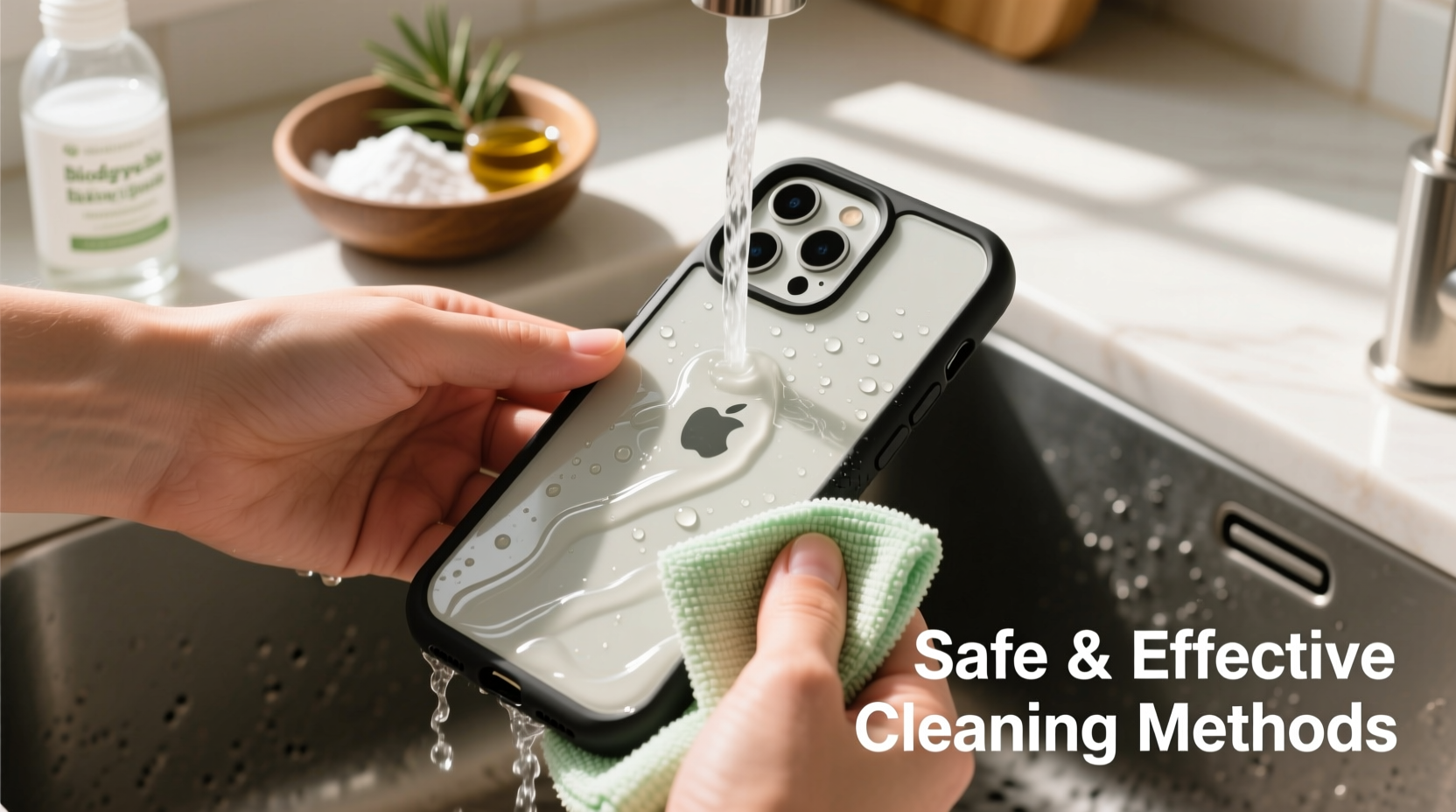
Your phone case comes into contact with your hands, pockets, bags, desks, and even public surfaces like restaurant tables and gas pumps. A 2020 study published in *The American Journal of Infection Control* found that mobile phones carry an average of 25,127 bacterial colony-forming units per square inch—making them dirtier than most household surfaces. Since cases fit snugly around your phone, they trap sweat, skin cells, and environmental debris, creating an ideal breeding ground for microbes.
Beyond health concerns, accumulated dirt can accelerate wear. Soft rubberized cases may yellow or become sticky; leather cases can crack; and clear plastic cases often turn cloudy. Regular deep cleaning preserves both hygiene and longevity.
“Phone cases are microbial reservoirs. Sanitizing them weekly can significantly reduce pathogen transfer, especially during cold and flu seasons.” — Dr. Lena Patel, Microbiologist and Public Health Consultant
Step-by-Step Guide: How to Deep Clean Any Phone Case
Cleaning methods vary depending on the material. However, the following six-step process provides a universal framework you can adapt based on your case type.
- Remove the case from your phone. Always power down and disconnect your device before handling. Never submerge your phone.
- Shake out loose debris. Tap the case gently to dislodge dust, lint, and crumbs trapped in ports or edges.
- Dry brush the surface. Use a soft-bristled toothbrush or microfiber cloth to scrub crevices, camera cutouts, and button areas.
- Wash with mild soap and water. For most cases, lukewarm water with a drop of dish soap works well. Soak for 3–5 minutes, then scrub lightly.
- Rinse and dry thoroughly. Rinse under running water (avoid high pressure), then pat dry with a lint-free towel. Allow to air-dry completely—preferably overnight—before reattaching.
- Sanitize if needed. After washing, apply a disinfectant method appropriate to the material (see below).
Material-Specific Cleaning Methods
Not all phone cases react the same way to moisture, heat, or chemicals. Using the wrong method can warp, discolor, or weaken your case. Below is a breakdown of recommended practices by material.
| Material | Safe Cleaning Method | Avoid | Drying Time |
|---|---|---|---|
| Silicone / TPU (Soft Rubber) | Hand wash with soap and water; optional 70% isopropyl alcohol wipe | Bleach, direct sunlight drying, dishwasher | 4–6 hours |
| Hard Plastic (Polycarbonate) | Soap and water; alcohol wipe for sanitizing | Ammonia-based cleaners, hot water | 2–4 hours |
| Leather (Genuine or Synthetic) | Damp microfiber cloth; leather conditioner after drying | Submerging, alcohol, vinegar | 8–12 hours |
| Clear Transparent Cases | Mild soap, water, soft brush; occasional baking soda paste for stains | UV light exposure, colored soaps, oil-based products | 6–8 hours |
Special Note on Clear Cases
Transparent cases are notorious for yellowing due to UV exposure, oxidation, and contact with hand lotions or pocket lint. To slow discoloration, clean weekly and store away from direct sunlight. For existing stains, make a paste of baking soda and water, gently rub with a soft cloth, rinse, and dry. Avoid using hydrogen peroxide long-term—it may accelerate yellowing.
Effective Sanitization Without Damage
Cleaning removes visible dirt; sanitizing kills germs. While UV sanitizers and chemical wipes are popular, not all are safe for phone cases.
- Isopropyl Alcohol (70%): Effective against viruses and bacteria. Apply with a cloth—not directly sprayed—and wipe the case. Safe for silicone, plastic, and TPU. Not recommended for leather.
- UV-C Sanitizing Boxes: These devices use ultraviolet light to neutralize pathogens. They’re non-contact and safe for all case types. Ensure the unit has proper wavelength (254 nm) and sufficient exposure time (at least 5 minutes).
- Disinfectant Wipes (e.g., Clorox): Use only on hard-shell cases. Avoid excessive moisture and never use on fabric-backed or leather cases.
Mini Case Study: Office Worker Reduces Illness Frequency
Mark, a 34-year-old project manager in Chicago, noticed he caught colds every few weeks despite frequent handwashing. After reading about germ-laden personal devices, he began cleaning his phone and case every Sunday. He switched from a sticky silicone case to a smooth polycarbonate one for easier maintenance. Within two months, his sick days dropped from three to zero. His doctor noted improved overall hygiene habits, with phone sanitation playing a key role. “I never thought my phone case was a health risk,” Mark said. “Now I treat it like my toothbrush—cleaned regularly and replaced when worn.”
Checklist: Weekly Phone Case Maintenance Routine
Follow this simple checklist to keep your case hygienic and functional:
- □ Remove case and inspect for cracks or buildup
- □ Brush out debris from ports and edges
- □ Wash with mild soap and water (if applicable)
- □ Sanitize with 70% isopropyl alcohol wipe or UV device
- □ Air-dry completely before reattaching
- □ Inspect monthly for wear; replace if cracked, discolored, or ill-fitting
Frequently Asked Questions
Can I put my phone case in the dishwasher?
No. Dishwashers expose cases to high heat, harsh detergents, and agitation that can warp, crack, or degrade materials—even if labeled \"dishwasher-safe.\" Hand washing is always safer and more effective.
How often should I deep clean my phone case?
For optimal hygiene, deep clean once a week. If you share your phone, use it in high-touch environments (gyms, hospitals, public transit), or eat while using it, consider cleaning every 3–4 days.
Does a clean case extend my phone’s lifespan?
Indirectly, yes. A well-maintained case ensures proper fit and shock absorption. Dirt buildup in ports can interfere with charging and audio jacks. Removing grime helps maintain structural integrity and functionality.
Conclusion: Make Sanitation a Seamless Habit
Your phone case does more than protect—it interacts with your body and environment constantly. Treating it as a hygiene-critical item is no longer optional. With just 10 minutes a week, you can eliminate thousands of bacteria, prevent odors, and extend the life of your case. Choose the right method for your material, follow safety guidelines, and integrate cleaning into your routine like brushing your teeth or washing your hands. The result? A cleaner device, better health, and peace of mind.




 浙公网安备
33010002000092号
浙公网安备
33010002000092号 浙B2-20120091-4
Comments
No comments yet. Why don't you start the discussion?