
Finding someone’s current address can be necessary for many legitimate reasons—reconnecting with an old friend, serving legal documents, locating family members, or verifying identity. However, it’s essential to approach this task with respect for privacy and within the boundaries of the law. While public records and digital tools make information more accessible than ever, misuse can lead to legal consequences or damage personal relationships. This guide outlines reliable, ethical, and legal strategies to locate a person’s address without overstepping legal or moral lines.
Use Public Records and Government Resources
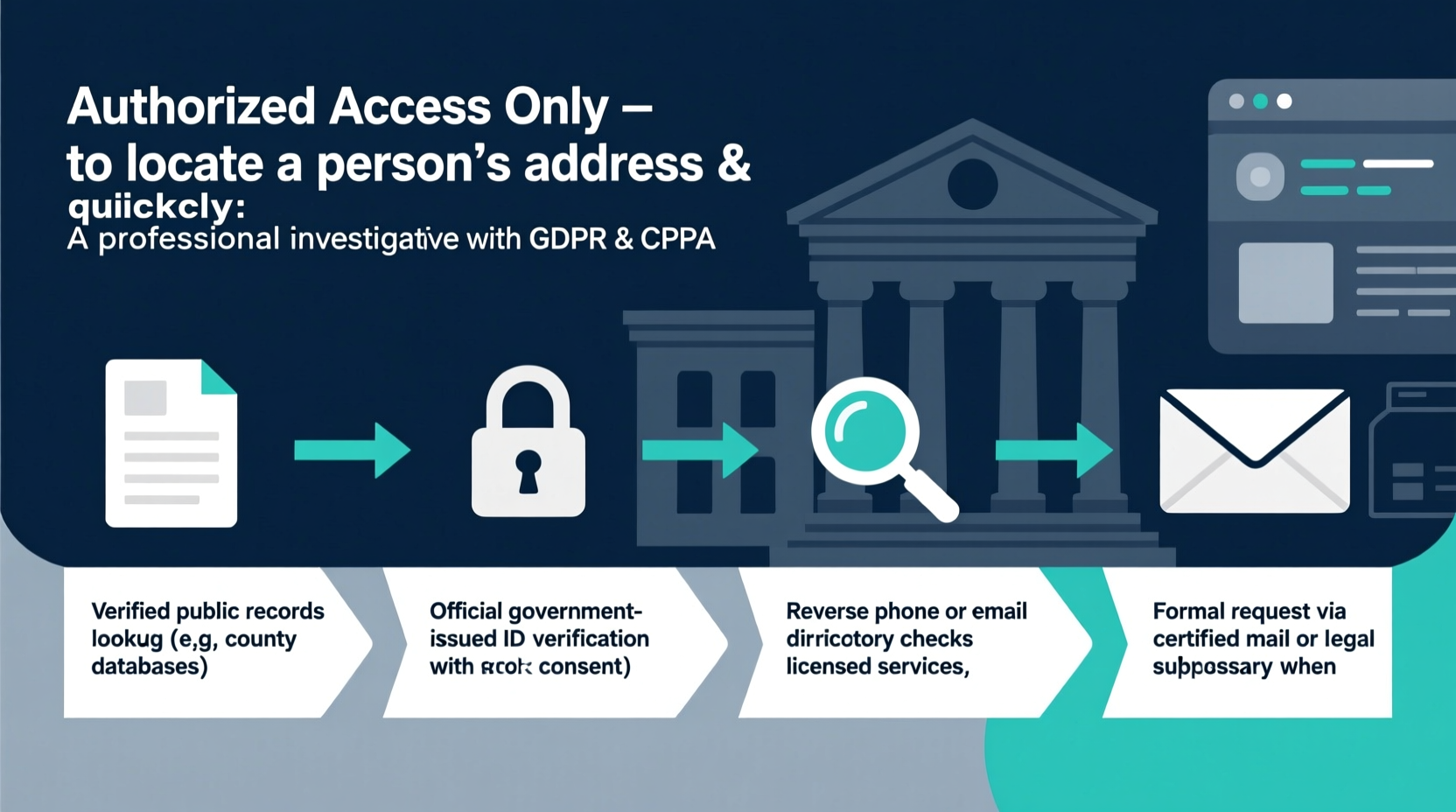
One of the most dependable ways to obtain a person’s address is through official public records. These are maintained by government agencies and include data from property ownership, voter registration, court filings, and business licenses. Access varies by jurisdiction, but many U.S. counties provide online databases searchable by name.
For example, county assessor websites list property owners and their addresses. Similarly, state election boards often publish voter rolls that include names and residential addresses. While some states restrict full access due to privacy laws, limited information may still be available for research purposes.
Court records are another valuable source. Divorce filings, probate cases, or civil lawsuits often require parties to list their current addresses. These documents are typically public and accessible via local courthouse websites or portals like PACER for federal cases.
Leverage People Search Engines Responsibly
Dedicated people-finder platforms such as Whitepages, Spokeo, Intelius, and TruthFinder compile data from public sources into searchable formats. They offer fast results, often including current and past addresses, phone numbers, relatives, and associated email addresses.
While convenient, these services vary in accuracy and depth. Some provide basic information for free, while detailed reports require a subscription. Always verify the data across multiple sources before acting on it, as outdated or incorrect entries are not uncommon.
“People search sites aggregate public data, but users must ensure their purpose aligns with FCRA guidelines—especially if used for employment or tenant screening.” — Sarah Lin, Privacy Compliance Officer
It’s crucial to use these tools ethically. Never use obtained information for harassment, stalking, or unauthorized background checks. Most reputable platforms prohibit such uses in their terms of service.
Step-by-Step Guide to Locating an Address Legally
Follow this structured process to increase your chances of finding accurate information while staying compliant with privacy regulations:
- Confirm the person’s full name and any known details – Include middle names, aliases, or previous surnames (e.g., from marriage).
- Search social media profiles – Platforms like Facebook, LinkedIn, or Instagram may list locations in bios or posts. Look for geotagged content or check-ins.
- Check public records databases – Visit county assessor, clerk, or secretary of state websites for property or business records.
- Use a people search engine – Enter the name and any known city or state to generate leads.
- Cross-reference findings – Compare dates and addresses across multiple sources to confirm validity.
- Contact mutual connections (if appropriate) – Reach out to shared friends or colleagues respectfully, explaining your intent.
- Verify through direct communication – If you obtain a possible address, consider sending a letter to confirm receipt before further action.
Checklist: Ethical and Legal Considerations
- ✅ Purpose is legitimate (e.g., reconnection, legal notice, genealogy)
- ✅ Avoid using information for harassment, fraud, or discrimination
- ✅ Do not attempt to bypass privacy settings or use deceptive tactics
- ✅ Respect opt-out requests if the person declines contact
- ✅ Comply with state and federal laws, including the Fair Credit Reporting Act (FCRA) if applicable
Real Example: Reconnecting After Decades
Jamie wanted to reconnect with her childhood best friend, Maya Rodriguez, after losing touch following a family move. With only a name and vague memory of her hometown, Jamie began searching online. She found a LinkedIn profile matching the name and profession, which listed a city in Oregon. Using that clue, she searched the Oregon Secretary of State’s business registry and discovered Maya was a registered owner of a small bakery.
The business listing included a mailing address in Portland. Jamie sent a polite letter explaining who she was and expressing interest in reconnecting. A week later, she received a response—and within days, they were catching up over video call. The key to success? Patience, verification, and respecting boundaries.
Comparison Table: Address-Finding Tools Overview
| Tool/Method | Cost | Accuracy | Speed | Best For |
|---|---|---|---|---|
| County Property Records | Free | High (official source) | Moderate | Confirmed residency, real estate owners |
| Voter Registration Databases | Free (partial), Paid (full) | High | Fast | U.S. citizens in participating states |
| People Search Sites (e.g., Spokeo) | Paid ($20–$50/month) | Moderate to High | Very Fast | Broad searches, historical data |
| Social Media Platforms | Free | Variable | Fast | Recent activity, informal contact |
| Court Records (PACER, local courts) | Low (per-page fees) | High | Slow to Moderate | Legal matters, verified filings |
Frequently Asked Questions
Is it legal to look up someone’s address online?
Yes, accessing publicly available information—such as property records, voter rolls, or court documents—is legal in most jurisdictions. However, how you use that information matters. Using it for stalking, threats, or illegal background checks can result in civil or criminal penalties.
Can I find a person’s address for free?
Yes, many government databases offer free access to public records. County assessors, clerks, and state registries often allow name-based searches at no cost. Social media and reverse phone lookup tools can also yield results without payment, though premium services may offer more detail.
What should I do if I find the wrong person?
If you suspect you’ve identified the wrong individual—especially if they share a similar name—stop further inquiry immediately. Sending unsolicited mail or contacting someone in error can cause distress. Double-check details like age, location history, and associated names before proceeding.
Conclusion: Act with Integrity and Purpose
Finding someone’s address doesn’t have to involve invasive tactics or questionable ethics. With the right tools, patience, and respect for privacy, you can locate individuals legally and responsibly. Whether you’re reuniting with family, handling legal obligations, or conducting professional research, always prioritize transparency and good intent.




 浙公网安备
33010002000092号
浙公网安备
33010002000092号 浙B2-20120091-4
Comments
No comments yet. Why don't you start the discussion?