
Finding the perfect pair of shoes often comes down to more than just style or brand—it’s about fit. Even high-quality footwear can sometimes feel slightly too large, leading to slipping heels, uncomfortable toe movement, or blisters. While buying the correct size is ideal, that’s not always possible due to limited stock, inconsistent sizing across brands, or changes in foot shape over time. Fortunately, there are several practical and safe techniques to effectively reduce shoe volume and improve fit. These solutions range from simple insoles to professional adjustments, all designed to keep your feet secure and comfortable.
Why Proper Shoe Fit Matters
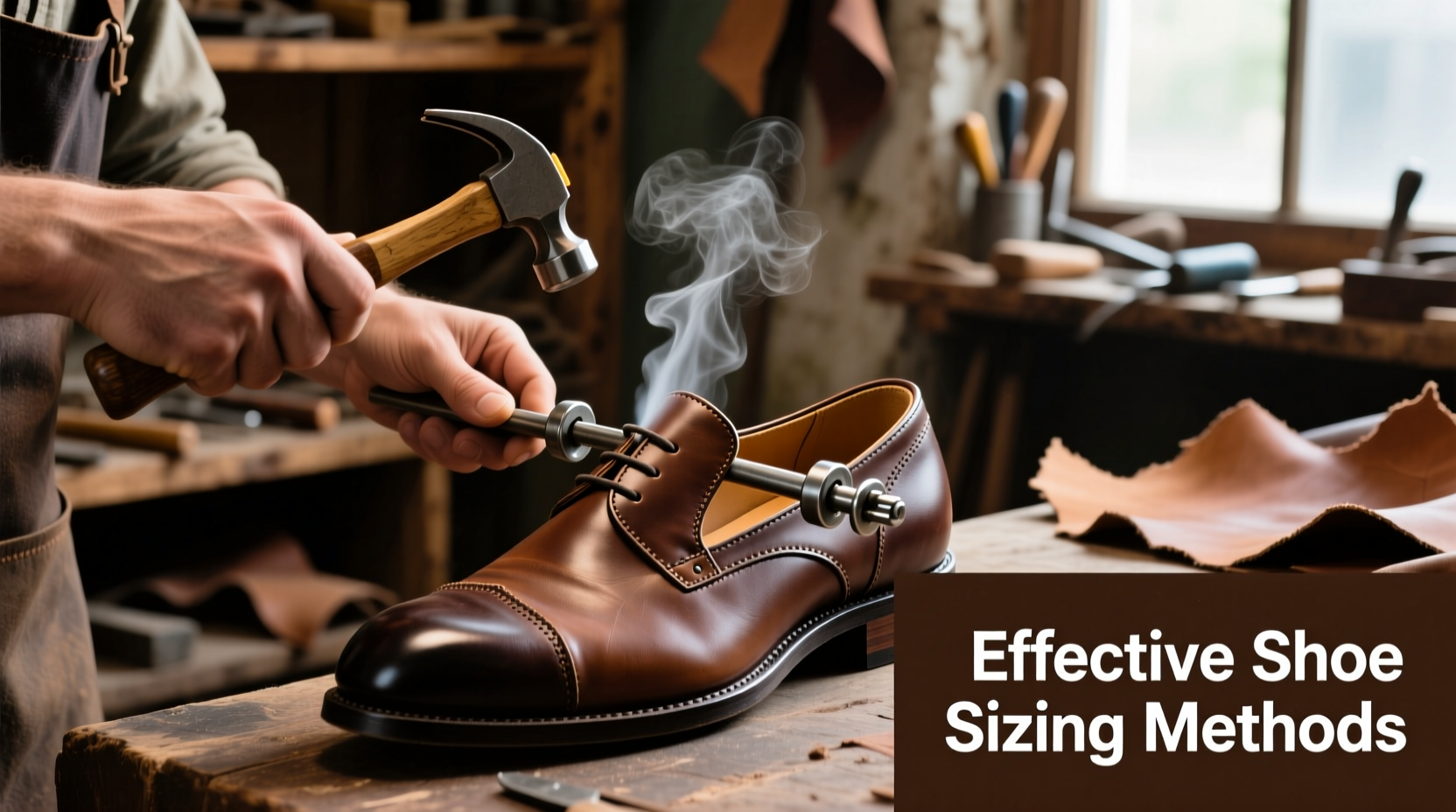
A shoe that’s even half a size too large can compromise both comfort and foot health. Excess space inside the shoe forces your toes to grip with each step, which may lead to cramping, calluses, or neuromas over time. A slipping heel increases friction, causing blisters and skin irritation. Additionally, improper fit alters your gait, potentially contributing to joint strain in the knees, hips, or lower back.
The goal isn’t simply to shrink the shoe, but to reduce internal volume where it matters most—around the heel, midfoot, and ball of the foot. The right adjustment ensures your foot stays anchored without pressure points or restricted circulation.
1. Use Heel Grips or Lifts
One of the most common issues with slightly oversized shoes is heel slippage. Heel grips are adhesive pads placed inside the back of the shoe to reduce extra space. They come in various materials—gel, foam, and silicone—and are available in drugstores or online.
Gel and silicone grips offer durability and stick well to leather and synthetic linings. Foam versions are thinner and better suited for dress shoes where bulk is a concern. Some heel lifts also elevate the heel slightly, which can tighten the overall fit across the instep.
2. Add Full-Length or Half Insoles
Insoles are among the most effective tools for reducing interior shoe volume. Full-length insoles compress slightly under body weight, filling space without adding excessive height. Look for cushioned or memory foam options for added comfort, especially in walking or work shoes.
For shoes that are only loose in the forefoot, half insoles (also called shoe cushions) extend from the ball of the foot to the toes. These prevent forward sliding while maintaining heel support. Felt, gel, and foam varieties are widely available and easy to trim to size.
“Proper insoles do more than improve fit—they enhance arch support and shock absorption, reducing fatigue during long wear.” — Dr. Lena Torres, Podiatrist and Footwear Consultant
3. Wear Thicker Socks or Double Up
Sometimes, the simplest solution is the best. Switching to thicker socks—such as wool blends, athletic performance socks, or cushioned hiking socks—can take up enough room to eliminate slippage. For minor adjustments, wearing two pairs of socks (e.g., a thin liner sock beneath a regular one) provides temporary tightening.
This method works especially well with boots or sneakers but should be used cautiously in formal shoes where excess fabric might wrinkle or distort the shoe’s shape. Avoid cotton-heavy socks, which compress more over time and lose effectiveness.
4. Insert Toe Fillers or Pack the Toe Box
When the front of the shoe feels too roomy, a toe filler can help. These small inserts sit at the very front of the shoe and push the foot back into the heel cup. They’re commonly made of soft foam or inflatable air pockets.
In a pinch, crumpled tissue paper or moleskin can serve as a temporary fix—especially useful when breaking in new shoes. However, these are not long-term solutions, as they flatten quickly and may shift during wear.
5. Adjust Lacing Techniques
Laces are more than functional—they’re customizable tools for fit refinement. Using a “heel lock” lacing method creates a snugger hold around the ankle and prevents heel lift. This technique involves creating loops near the top eyelets and threading the lace back through them before tying.
Another option is “ladder lacing,” which applies tension across the midfoot, closing gaps along the sides. These methods don’t alter the shoe’s size but redistribute pressure for a tighter, more secure feel.
Step-by-Step: Heel Lock Lacing
- Lace the shoe normally up to the second-to-last eyelet.
- Instead of crossing, bring each lace straight up to form a loop on each side.
- Pass each end through the opposite loop from underneath.
- Pull tight to create a locking effect, then tie as usual.
Professional and Permanent Solutions
While DIY fixes work for minor adjustments, some situations call for expert intervention. Cobblers can perform targeted alterations that provide lasting results.
- Adding Leather Inserts: A cobbler can sew or glue leather padding into the heel or sides for a custom fit.
- Resoling with Padding: When replacing soles, request an extra layer of cushioning to reduce interior space.
- Heat Molding: Some specialty stores offer heat-molding services for athletic or leather shoes. The shoe is warmed and worn briefly, allowing it to conform slightly to your foot’s shape.
Note: Heat molding only works with certain materials like thermoplastic linings or specific leather types. It cannot drastically reduce size but helps fine-tune fit.
What Not to Do: Common Mistakes
Some popular hacks can damage your shoes or cause discomfort. Avoid these practices:
| Don't | Why It's Harmful |
|---|---|
| Wet shoes and wear them to shrink | Causes warping, sole separation, and material degradation—especially in glued constructions. |
| Use duct tape inside the shoe | Leaves residue, damages lining, and creates uneven pressure points. |
| Stuff shoes with newspaper permanently | May stretch seams or distort shape; only suitable for short-term storage shaping. |
| Iron or apply direct heat | Risks melting synthetic components or cracking leather. |
Mini Case Study: Fixing Oversized Dress Oxfords
Mark, a sales executive, purchased a pair of premium oxford shoes online. Though stylish, they were slightly wide and allowed his heel to lift with each step—unacceptable for client meetings. Rather than return them, he visited a local cobbler who added slim leather heel liners and replaced the insole with a padded orthotic version. The result? A secure fit that looked polished and felt comfortable through full workdays. The total cost was $35, far less than shipping and restocking fees.
This example shows how combining two subtle modifications can solve multiple fit issues without altering the shoe’s appearance.
Checklist: How to Make Your Shoes Smaller – Action Plan
- ✅ Assess where the shoe is loose—heel, midfoot, or toe box.
- ✅ Try thicker socks to test improved fit.
- ✅ Apply adhesive heel grips if heel slippage is the main issue.
- ✅ Insert full or half insoles to reduce overall volume.
- ✅ Use toe fillers for extra space in the front.
- ✅ Experiment with advanced lacing techniques like heel lock.
- ✅ Consult a cobbler for permanent, tailored adjustments.
- ❌ Avoid water, heat, or harsh materials that could ruin the shoe.
FAQ
Can I shrink leather shoes permanently?
True shrinking of leather is risky and rarely effective. While dampening and wearing leather shoes may cause slight tightening, it often leads to misshaping or creasing. Instead, focus on internal adjustments like insoles or heel liners for reliable results.
Do shoe stretch sprays work in reverse to make shoes smaller?
No. Stretch sprays are designed to loosen fibers for expansion. There’s no equivalent product to safely \"shrink\" shoes. Attempting to reverse the process usually damages materials.
How much can I realistically reduce a shoe's interior space?
You can typically reduce interior volume by about half a size using a combination of insoles, heel grips, and lacing. More than that may compromise comfort or damage the shoe structure.
Conclusion
Shoes that are slightly too big don’t have to be discarded or relegated to occasional wear. With the right tools and techniques, you can achieve a snug, secure fit that supports your feet and enhances comfort. Whether you opt for affordable accessories like insoles and heel grips or invest in professional alterations, the key is choosing methods that preserve the integrity of your footwear. A well-fitted shoe isn’t just more comfortable—it promotes better posture, reduces injury risk, and extends the life of your favorite pairs.




 浙公网安备
33010002000092号
浙公网安备
33010002000092号 浙B2-20120091-4
Comments
No comments yet. Why don't you start the discussion?