
Burns on clothing—whether from an iron, stove flame, or spark—can be disheartening. A single moment of carelessness can leave a permanent mark on a favorite garment. But before you discard the item, know that many types of fabric burns can be minimized or even fully restored with the right techniques. From minor scorching to small holes, understanding the nature of the burn and acting quickly increases your chances of recovery. This guide delivers practical, tested strategies used by textile experts and professional cleaners to address different levels of fabric damage.
Understanding Fabric Burn Types
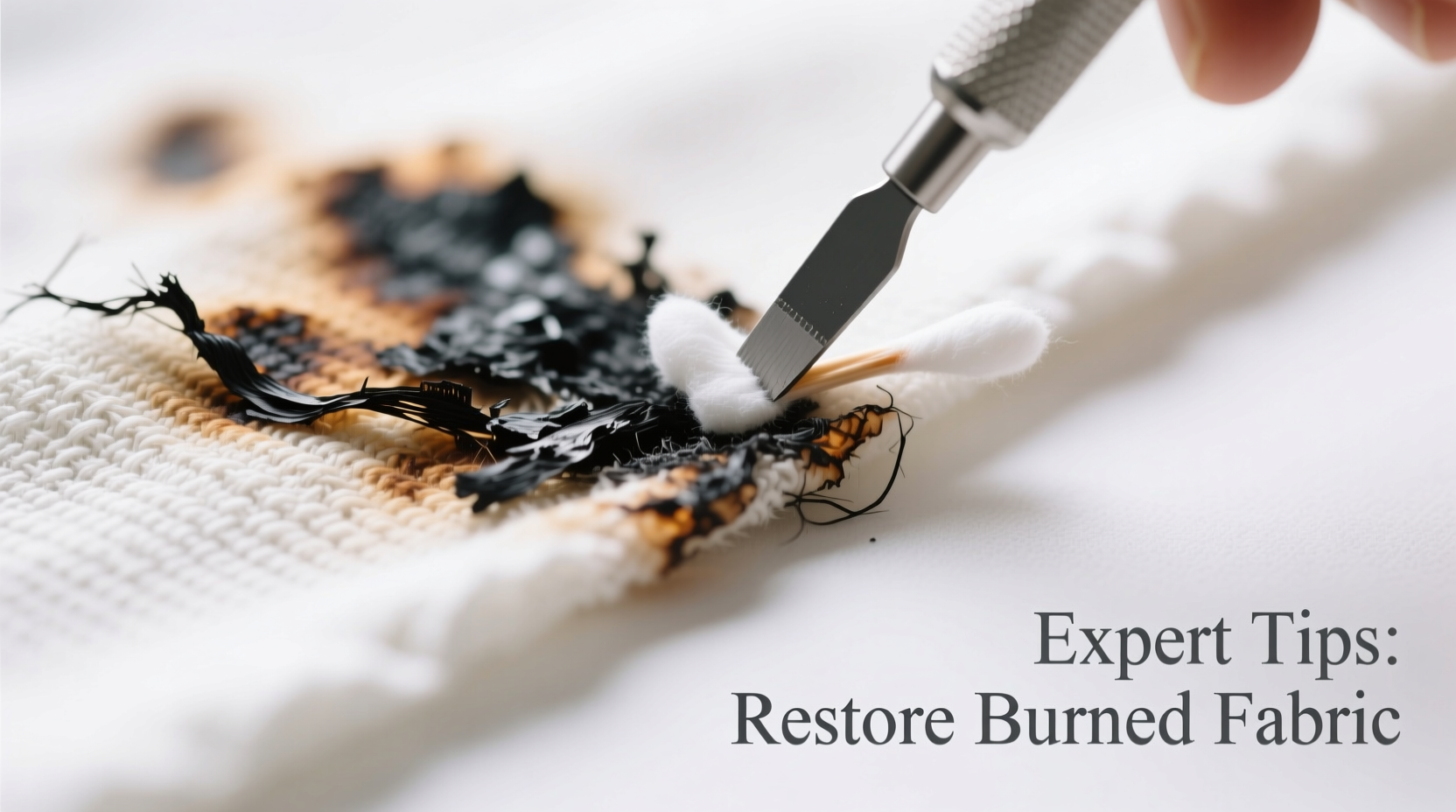
Not all burns are the same. The severity and treatment depend on the heat source, fabric composition, and duration of exposure. Recognizing the type of burn helps determine whether repair is possible.
- Surface Scorching: Discoloration without hole formation. Common in synthetic fabrics like polyester when exposed to high iron heat.
- Melting: Synthetic fibers melt rather than burn, creating stiff, shiny patches.
- Charring: Natural fibers like cotton or wool darken and become brittle but may retain structure.
- Complete Holes: Irreversible fiber breakdown, often requiring patching or concealment.
Acting immediately after discovery improves outcomes. Delayed treatment allows oxidation and weakening of surrounding fibers, making restoration harder.
Step-by-Step Guide to Treating Minor Burns
For scorch marks or light discoloration without holes, follow this timeline-based approach:
- Assess the Damage (Day 0): Hold the fabric up to light. If light passes through, a hole has started forming. If not, surface treatment may suffice.
- Blot Gently (Within 1 Hour): Use a clean cloth to remove any residue. Do not rub, as this spreads damaged fibers.
- Apply Vinegar Solution (Day 1): Mix one part white vinegar with two parts water. Dampen a cotton ball and dab the area lightly. Let sit for 5–10 minutes.
- Rinse and Air Dry (Day 1): Rinse under cool water. Lay flat to dry—never use a dryer, which can set the damage.
- Treat with Hydrogen Peroxide (Day 2): For natural fibers, apply 3% hydrogen peroxide with a dropper. Wait 15 minutes, then rinse thoroughly.
- Wash Normally (Day 3): Launder according to care instructions. Inspect after drying. Repeat if needed.
This process works best on cotton, linen, and rayon. Synthetics require extra caution due to chemical sensitivity.
Do’s and Don’ts When Handling Burned Fabric
| Do’s | Don’ts |
|---|---|
| Test treatments on an inconspicuous area first | Use bleach on synthetic or delicate fabrics |
| Act quickly after discovering the burn | Apply heat (iron, dryer) to the damaged spot |
| Use mild acids like lemon juice or vinegar cautiously | Rub or scrub the burned area aggressively |
| Air dry garments after treatment | Ignore care label instructions |
| Consult a professional for valuable or delicate items | Expect full reversal on severe damage |
Expert Insight: What Professionals Recommend
Textile restoration isn't just about cleaning—it's about fiber preservation. Experts emphasize gentle handling and material-specific approaches.
“Immediate action is critical. A scorched area on cotton can often be lifted with vinegar and peroxide, but synthetics need enzyme-based solutions to avoid further melting.” — Dr. Lena Patel, Textile Conservation Specialist, Royal Institute of Fabric Care
Dr. Patel also warns against over-treatment: “Many people think stronger chemicals work better, but they often degrade surrounding fibers. Patience and precision yield better results than aggressive cleaning.”
Real Example: Saving a Silk Blouse After Iron Burn
Sarah, a boutique owner in Portland, accidentally left her iron on a silk blouse for too long. The result was a yellowish-brown mark across the shoulder. Instead of discarding it, she followed a conservative method:
- She placed the blouse in the freezer for 2 hours to stabilize the fibers.
- Then, she applied a mixture of milk and cornstarch paste to the stain and let it sit for 30 minutes.
- After rinsing with cold water, she soaked the garment in a solution of lukewarm water and silk-safe detergent for 20 minutes.
- The blouse was air-dried away from sunlight.
The mark faded significantly, though a slight shadow remained. Sarah later covered it with a small embroidered flower, turning damage into design. Her experience shows that even delicate fabrics can respond well to careful intervention.
When the Damage Is Severe: Repair and Concealment Options
If a burn has created a hole or significant thinning, restoration shifts from cleaning to repair. Consider these options:
- Fabric Patches: Use matching or contrasting fabric to cover holes. Iron-on patches work for synthetics; sewn ones last longer on cotton.
- Darning: For woven fabrics, hand-stitching can reinforce weakened areas using a fine needle and thread.
- Embroidery or Appliqué: Transform the damaged zone into a decorative feature. Floral motifs or geometric shapes hide imperfections elegantly.
- Professional Re-weaving: High-end tailors can reweave fibers on wool or tweed, nearly erasing the damage.
Checklist: Immediate Actions After Discovering a Burn
Follow this checklist to maximize recovery chances:
- Turn off the heat source and ventilate the area.
- Inspect the garment under bright light.
- Identify the fabric type using the care label.
- Do not wash or dry the garment immediately.
- Blot, don’t rub, the affected area.
- Test any cleaning solution on a hidden seam.
- Apply a mild treatment (vinegar, milk, or enzyme cleaner).
- Air dry flat, away from direct heat or sunlight.
- Evaluate results before repeating treatment.
- Seek professional help if the item is valuable or delicate.
Frequently Asked Questions
Can I use toothpaste to remove a scorch mark?
Toothpaste is not recommended. While some claim it lifts stains, its abrasives can weaken already damaged fibers. Stick to gentler options like vinegar or milk-based treatments.
Is it possible to fix a melted polyester shirt?
Once polyester melts, the damage is structural. You cannot reverse it, but you can sometimes trim frayed edges and cover the spot with a patch or embroidery. Prevention—using low iron heat—is key.
Will hydrogen peroxide bleach my fabric?
Possible, especially on dark or dyed fabrics. Always test in an inconspicuous area first. It’s safest for white or light-colored natural fibers like cotton and linen.
Conclusion: Turn Accidents Into Opportunities
A burn on clothing doesn’t have to mean the end of its life. With prompt attention, the right techniques, and respect for fabric properties, many damaged garments can be restored or creatively repurposed. Whether it’s a simple vinegar soak or a thoughtful embroidery fix, every repair adds character and extends the lifespan of your wardrobe. These methods aren’t just about fixing mistakes—they’re about embracing mindful clothing care in a world that often defaults to disposal.




 浙公网安备
33010002000092号
浙公网安备
33010002000092号 浙B2-20120091-4
Comments
No comments yet. Why don't you start the discussion?