
Correction fluid—commonly known by brand names like Liquid Paper—is a quick fix for pen mistakes on paper, but when it ends up on clothing, it can become a stubborn and potentially damaging stain. Unlike water-based inks, correction fluid is solvent-based, often containing chemicals like toluene or ethyl benzene, which make it highly adhesive and difficult to dissolve with water alone. Attempting to scrub or wash it improperly can set the stain permanently or weaken fabric fibers. However, with the right approach, even fresh or dried correction fluid can be safely removed from most fabrics without causing damage.
Understanding Correction Fluid Composition
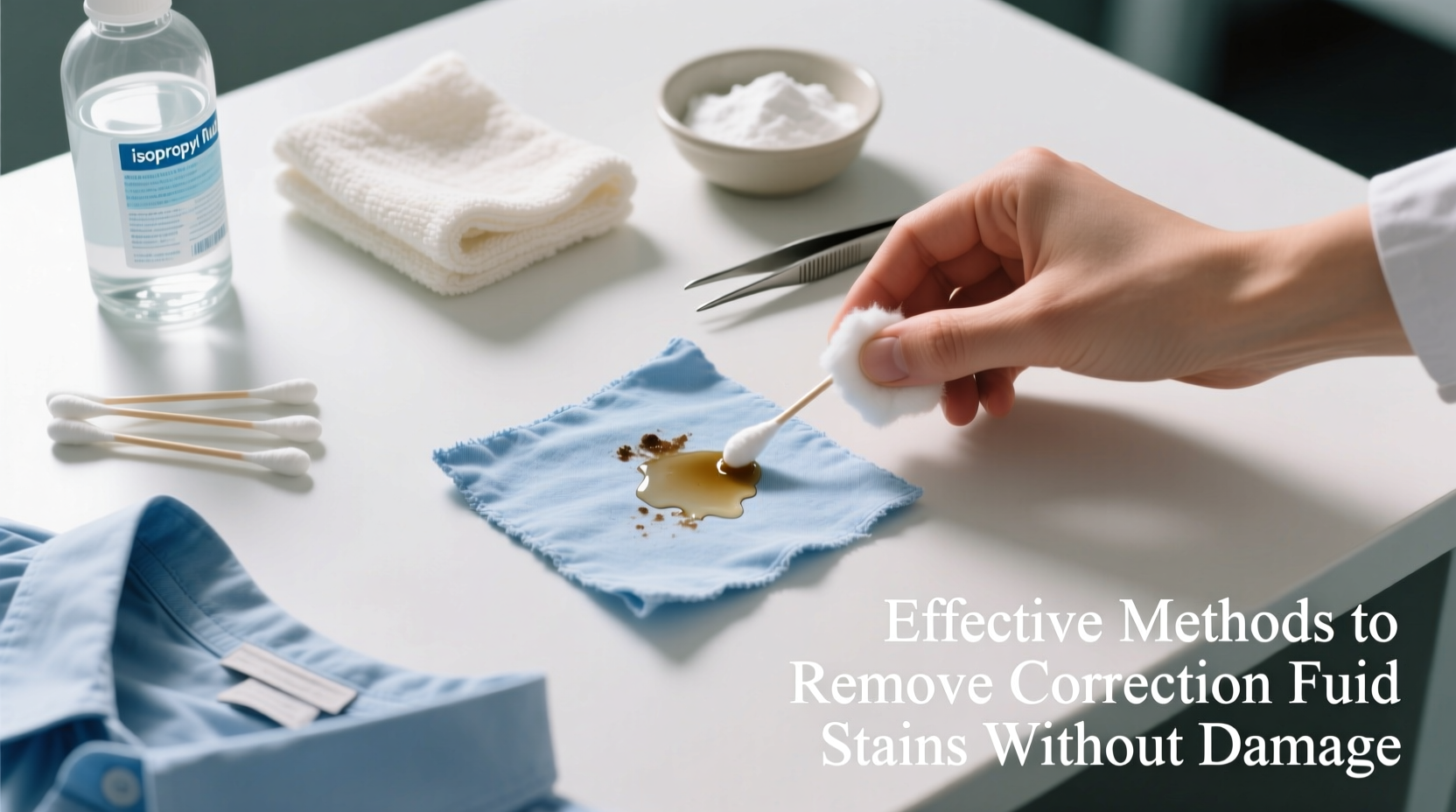
Before treating any stain, understanding what you're dealing with is essential. Correction fluid typically contains:
- Pigments (like titanium dioxide) – Provide the opaque white color.
- Solvents (such as heptane, toluene, or xylene) – Keep the fluid liquid until applied; evaporate quickly after use.
- Resins – Help the fluid adhere to surfaces and dry into a durable film.
This combination creates a tough, plastic-like coating that resists water and standard detergents. The key to removal lies in breaking down the resin and dissolving the solvents without harming the fabric’s integrity.
“Many people reach for bleach or aggressive cleaners, but those can degrade fibers and set the stain further. The goal is controlled dissolution using targeted solvents.” — Dr. Lena Patel, Textile Chemist at the Institute of Fabric Care
Step-by-Step Guide to Removing Correction Fluid Stains
Immediate action increases your chances of complete removal. Follow this methodical process to treat both fresh and dried stains safely.
- Blot, don’t rub: If the stain is still wet, gently blot excess fluid with a clean, dry paper towel. Rubbing will spread the stain and push it deeper into the fibers.
- Test for colorfastness: Apply your chosen solvent to an inconspicuous area (like an inside seam). Wait 5 minutes. If no discoloration or fabric damage occurs, proceed.
- Loosen dried residue: For dried stains, carefully scrape off excess with a blunt edge (e.g., a spoon or credit card) to reduce the amount of chemical needed later.
- Apply a safe solvent: Use one of the recommended solutions below based on fabric type.
- Blot and repeat: Gently dab the area with a clean cloth soaked in the solvent. Do not scrub. Reapply as needed until the stain lifts.
- Rinse thoroughly: After removal, rinse the area under cold water to flush out residual chemicals.
- Wash normally: Launder the garment according to its care label. Air-dry first to ensure the stain is fully gone before using heat, which can set any remaining residue.
Effective Solvent Options and Their Uses
Not all solvents are created equal, and some can damage delicate fabrics. Below is a comparison of common household and specialized options, ranked by effectiveness and safety.
| Solvent | Best For | Effectiveness | Caution |
|---|---|---|---|
| Isopropyl Alcohol (70%+) | Cotton, polyester, denim | High | May fade dark colors; test first |
| Nail Polish Remover (acetone-free) | Synthetic blends, sturdy fabrics | High | Avoid acetone—it melts synthetics like nylon |
| Dish Soap + White Vinegar | Delicate fabrics (silk, rayon) | Moderate (for fresh stains) | Gentle but less effective on dried stains |
| Commercial Stain Remover (e.g., Shout, OxiClean MaxForce) | All washable fabrics | High | Follow instructions; avoid on wool/silk unless specified |
| Hairspray (alcohol-based) | Emergency field solution | Low to Moderate | Inconsistent formula; use only if nothing else is available |
Real Example: Removing a Dried Correction Fluid Stain from a Cotton Shirt
Mark, a high school teacher, accidentally knocked over a bottle of correction fluid during grading. It spilled onto his favorite cotton button-down, drying into a thick, chalky patch near the sleeve cuff. He waited two days before attempting removal—common, but not ideal.
He began by scraping off loose flakes with a butter knife. Then, he soaked a cotton ball in isopropyl alcohol and dabbed the stain every 30 seconds for five minutes. Gradually, the white film softened and lifted. After rinsing with cold water and washing the shirt in warm water with regular detergent, the stain vanished. The fabric remained intact, with no discoloration. Mark air-dried the shirt and confirmed full success before wearing it again.
This case highlights the importance of patience and correct solvent selection—even old stains can be reversed with consistent effort.
Do’s and Don’ts When Treating Correction Fluid Stains
- DO:
- – Act quickly to prevent the stain from setting.
- – Test solvents on a hidden area first.
- – Blot gently instead of rubbing.
- – Rinse thoroughly after treatment.
- – Air-dry until you confirm the stain is gone.
- DON’T:
- – Use acetone on synthetic fabrics (nylon, spandex, polyester).
- – Apply heat (dryer, iron) prematurely.
- – Mix chemicals (e.g., bleach with alcohol).
- – Soak delicate fabrics in strong solvents.
- – Ignore care labels—silk and wool require special handling.
Frequently Asked Questions
Can I use nail polish remover to remove correction fluid?
Yes, but only if it's acetone-free. Acetone can dissolve synthetic fibers and ruin the texture of the fabric. Opt for removers labeled \"gentle\" or \"for acrylic nails,\" which usually contain ethyl acetate—a safer alternative.
What if the stain remains after washing?
Do not dry the garment. Repeat the solvent treatment process. Sometimes multiple applications are needed, especially for thick or aged stains. Consider using a commercial stain lifter designed for oil-based substances between treatments.
Is correction fluid toxic to skin or fabrics?
The solvents in correction fluid can irritate skin and degrade certain fibers over time. While brief contact is low-risk, prolonged exposure may weaken fabric tensile strength. Always wear gloves when handling solvents and work in a well-ventilated area.
Conclusion: Preserve Your Clothes with Smart Stain Removal
Removing correction fluid from clothing doesn’t require expensive products or professional cleaning in most cases. With careful application of the right solvent, attention to fabric type, and avoidance of heat, even stubborn stains can be eliminated without damage. The key is acting promptly, testing first, and never rushing the process. By following these proven methods, you protect both the appearance and longevity of your garments.




 浙公网安备
33010002000092号
浙公网安备
33010002000092号 浙B2-20120091-4
Comments
No comments yet. Why don't you start the discussion?