
Discoloration on clothing—whether from sweat, aging, detergent buildup, or exposure to sunlight—can make even high-quality garments look worn and neglected. Unlike typical stains, discoloration often affects large areas of fabric, altering its original tone and diminishing its appeal. The good news is that most types of discoloration can be reversed with the right approach, materials, and timing. This guide provides practical, science-backed strategies to restore your clothes’ true color while preserving fabric integrity.
Understanding Fabric Discoloration: Causes and Types
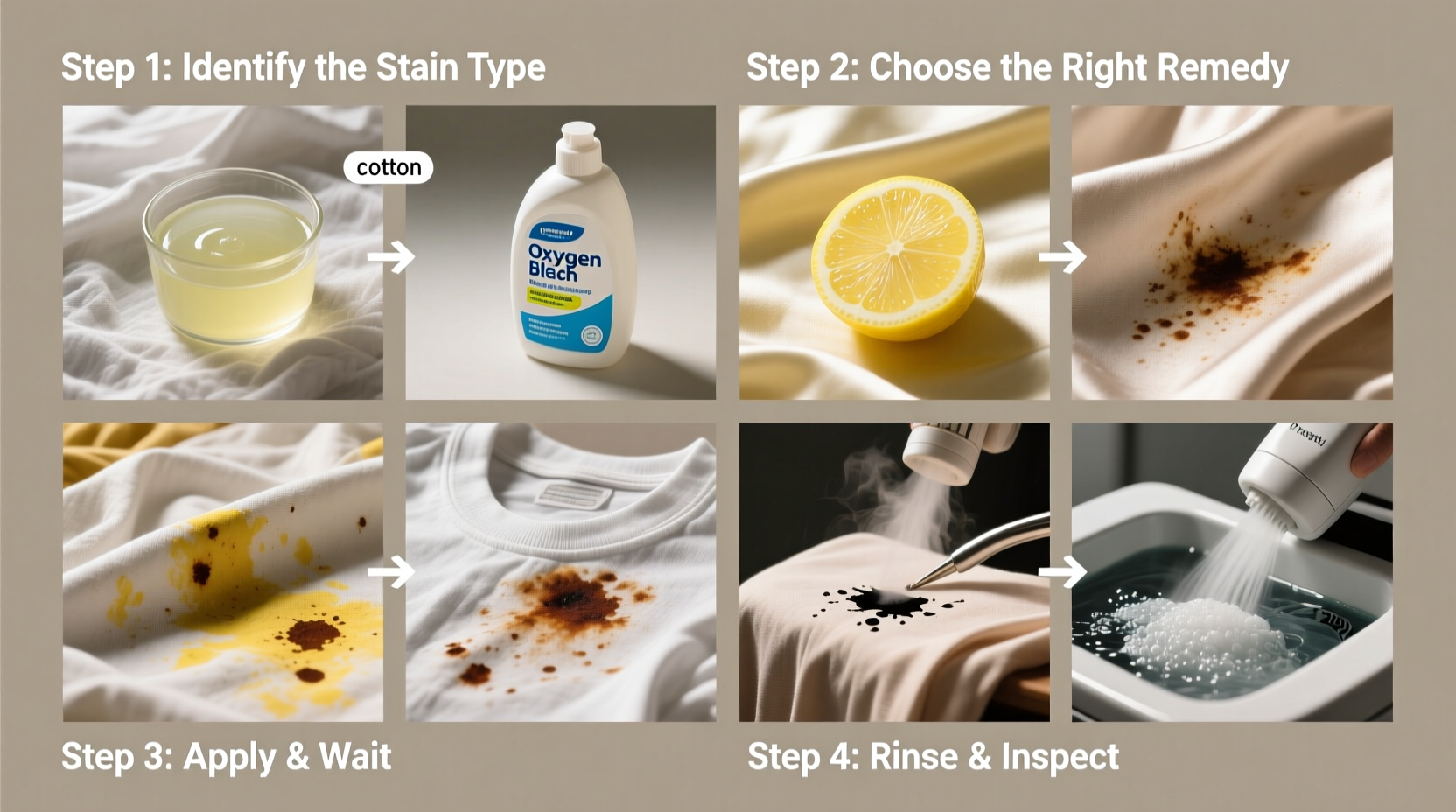
Before treating discolored garments, it’s essential to identify the cause. Different sources require different treatments, and using the wrong method may worsen the issue. Common causes include:
- Sweat and body oils: Can yellow collars, underarms, and cuffs over time, especially in natural fibers like cotton and linen.
- Laundry product residue: Buildup from detergents, fabric softeners, or hard water minerals can create dull, grayish patches.
- Chlorine and bleach exposure: Accidental bleaching or pool chlorine can strip color unevenly, leading to pale spots.
- UV degradation: Prolonged sun exposure breaks down dyes, particularly in dark or bright fabrics.
- Aging and oxidation: Over time, fabrics react with oxygen, causing whites to yellow and colors to fade.
Knowing the root cause ensures you choose the safest and most effective treatment. For example, yellowing due to sweat responds well to enzymatic cleaners, while UV damage may require dye restoration techniques.
Step-by-Step Guide to Removing Common Discolorations
The following process outlines how to treat various types of discoloration based on fabric type and stain origin. Follow these steps carefully to avoid damaging fibers.
- Sort by fabric and color: Separate garments into categories: whites, colors, delicates (silk, wool), and synthetics. Never mix bleach-based treatments with colored or delicate items.
- Pre-treat affected areas: Apply a targeted solution directly to discolored zones. Use one of the remedies listed below based on the cause.
- Soak if necessary: For widespread yellowing or buildup, soak garments in a solution for 30 minutes to several hours.
- Wash as usual: Launder according to care label instructions, using appropriate water temperature and cycle settings.
- Inspect before drying: Heat can set remaining stains. If discoloration persists, repeat treatment before placing in the dryer.
Natural Remedies for Common Discoloration
Many household ingredients effectively combat discoloration without harsh chemicals:
- Vinegar and baking soda: Mix 1 cup white vinegar and ½ cup baking soda in warm water. Soak whites for 1–2 hours to lift yellowing and neutralize odors.
- Lemon juice and sunlight: For natural whitening, apply lemon juice to stained areas and place garment in direct sunlight. The citric acid acts as a bleaching agent when activated by UV light. Limit exposure to 1–2 hours to prevent fiber weakening.
- Hydrogen peroxide (3%): Effective for organic stains and mild bleaching. Apply directly or add 1 cup to the wash cycle for whites. Avoid use on silk or wool.
Do’s and Don’ts When Treating Discolored Fabrics
| Action | Do | Don't |
|---|---|---|
| Testing solutions | Always patch-test on a hidden seam | Apply strong agents without testing |
| Heat exposure | Air-dry after successful treatment | Tumble dry before confirming stain removal |
| Bleach use | Use oxygen bleach for colors and delicates | Use chlorine bleach on protein fibers (wool, silk) |
| Storage | Store clean, dry clothes in ventilated areas | Leave damp clothes bunched in laundry baskets |
Expert Insight: What Professionals Recommend
“Most discoloration isn’t permanent. The key is early intervention and matching the treatment to both the fiber and the stain chemistry. Oxygen-based cleaners are far safer than chlorine and work wonders on aged linens.” — Dr. Lena Patel, Textile Scientist and Stain Removal Consultant
Dr. Patel emphasizes that prevention is equally important. Regular maintenance, proper rinsing, and avoiding overdrying can significantly delay discoloration onset.
Real Example: Restoring a Yellowed Collar on a Dress Shirt
Mark, a professional who wears dress shirts daily, noticed persistent yellowing around the collar despite regular washing. He tried standard detergent but saw no improvement. After research, he applied a paste of baking soda and hydrogen peroxide directly to the collar, gently scrubbed with a soft toothbrush, then let it sit for 45 minutes. He washed the shirt in warm water with an additional ½ cup of white vinegar in the rinse cycle. After air-drying, the collar was nearly restored to its original white. Mark now pre-treats collars weekly to prevent recurrence.
Checklist: How to Prevent Future Discoloration
- ✅ Treat sweat-prone areas (collars, underarms) with a stain remover immediately after wearing.
- ✅ Use measured amounts of detergent—excess leads to buildup.
- ✅ Add a cup of distilled white vinegar to the rinse cycle monthly to dissolve residue.
- ✅ Rotate frequently worn garments to reduce repeated stress on the same fibers.
- ✅ Store clothes in cool, dry spaces away from direct sunlight.
- ✅ Wash workout clothes promptly after use to prevent bacterial breakdown and staining.
Frequently Asked Questions
Can I use bleach to fix discoloration on colored clothes?
No, chlorine bleach will likely worsen discoloration on colored fabrics by removing dye unevenly. Instead, use color-safe oxygen bleach (sodium percarbonate), which lifts stains without affecting dyes.
Why do my white clothes turn gray over time?
Gray discoloration typically results from detergent residue, hard water minerals, or mixing whites with darker garments. To correct this, wash whites separately using hot water (if fabric allows), and include a clarifying agent like oxygen bleach or borax.
Is it safe to use lemon juice on all fabrics?
Lemon juice is acidic and can weaken some fibers, especially silk and rayon. It’s safest for cotton and linen. Always dilute it (1 part juice to 3 parts water) and limit sun exposure to under two hours.
Conclusion: Restore and Maintain Your Wardrobe’s True Color
Discoloration doesn’t have to mean retirement for your favorite clothes. With the right knowledge and tools, most fabric color issues can be reversed safely and affordably. Whether you’re dealing with yellowed collars, faded blacks, or detergent buildup, consistent care and timely treatment make all the difference. By integrating preventive habits and targeted cleaning methods, you extend the life and appearance of your wardrobe significantly.




 浙公网安备
33010002000092号
浙公网安备
33010002000092号 浙B2-20120091-4
Comments
No comments yet. Why don't you start the discussion?