
Flower stains on clothing can be surprisingly stubborn. Whether it's pollen from a spring bouquet, crushed petals from a garden mishap, or sap from handling stems, these organic residues often leave behind yellow, brown, or green marks that resist regular washing. Unlike oil-based or food stains, flower stains contain tannins, natural pigments, and sometimes sticky resins that bind tightly to fabric fibers. The key to successful removal lies in understanding the stain’s composition and acting quickly—without damaging delicate materials like silk, cotton, or wool.
Improper treatment can set the stain permanently or weaken fabric integrity. Harsh chemicals, excessive scrubbing, or using hot water prematurely can make the problem worse. This guide outlines proven, gentle techniques tailored to different fabrics and stain types, helping you restore your garments safely and effectively.
Understanding Flower Stains: What Makes Them Tricky
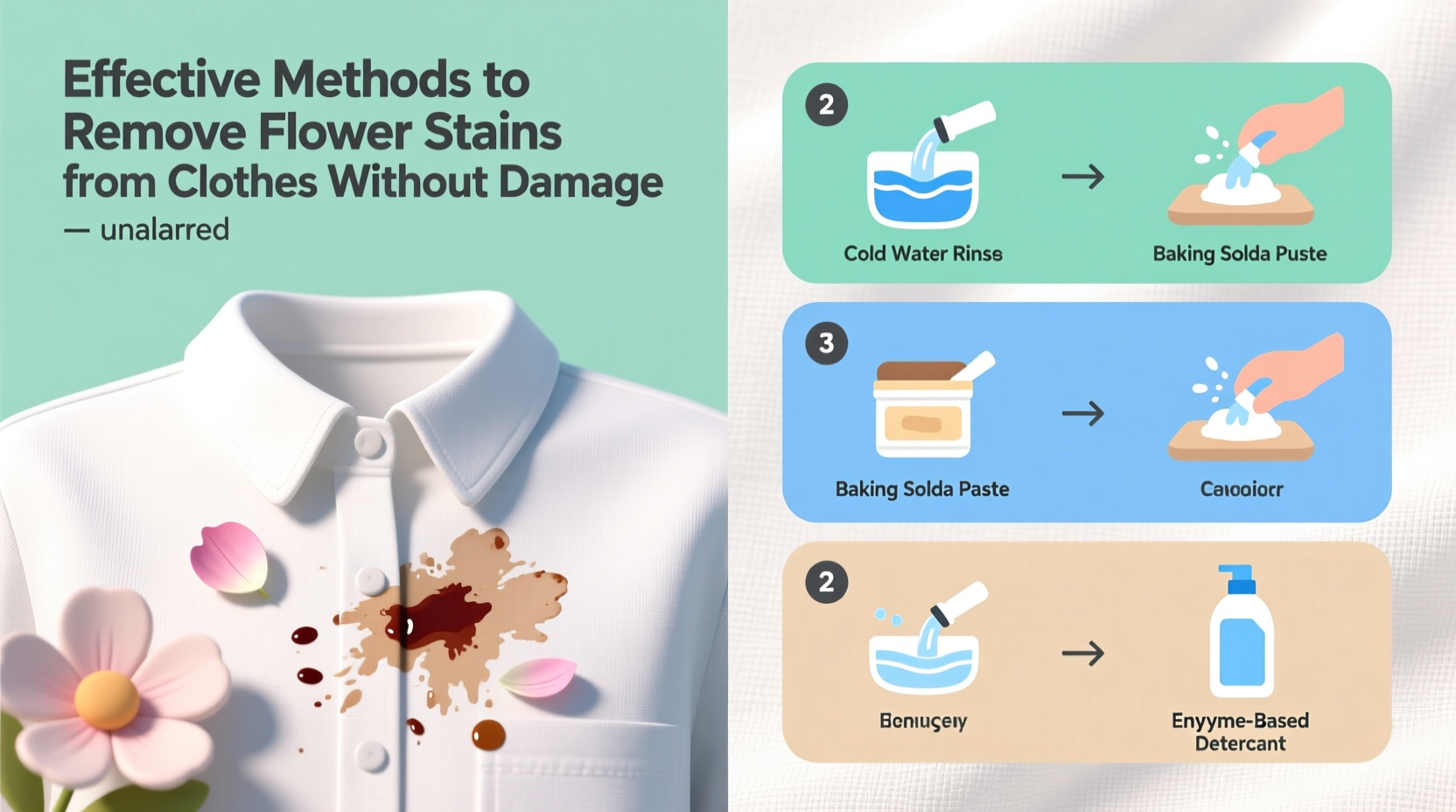
Flower stains are complex because they combine multiple staining agents:
- Pollen: Fine, oily particles that cling to fabric and spread easily when disturbed.
- Tannins: Natural compounds in petals and stems that cause yellow-brown discoloration, similar to tea or wine stains.
- Sap or Resin: Sticky substances that act like glue, embedding pigments deep into fibers.
- Chlorophyll: Green pigment in leaves and stems that may leave faint greenish marks.
These components react differently depending on fabric type. Synthetic blends may resist absorption but trap surface residue, while natural fibers like cotton or linen absorb deeply. Delicate fabrics such as silk require extra caution due to their sensitivity to pH changes and mechanical stress.
“Organic stains like those from flowers degrade over time, but improper cleaning can oxidize them, making removal nearly impossible.” — Dr. Lena Patel, Textile Chemist at the Institute for Fabric Care
Step-by-Step Guide to Removing Flower Stains Safely
Immediate action increases the chance of complete removal. Follow this timeline-based method for best results:
- Blot, Don’t Rub (0–5 minutes after staining): Use a clean, dry cloth to gently lift excess pollen or sap. Rubbing spreads the stain and grinds particles deeper.
- Scrape Off Residue (5–10 minutes): For dried or sticky sap, use a blunt edge (like a butter knife) to carefully lift buildup without scratching the fabric.
- Rinse with Cold Water (10–15 minutes): Hold the stained area under cold running water from the back to push the stain out, not deeper in.
- Pre-Treat with a Gentle Solution (15–30 minutes): Apply one of the recommended solutions below based on fabric type.
- Launder Appropriately (Within 1 hour): Wash according to garment care labels, using the correct water temperature and detergent.
- Air-Dry and Inspect: Avoid heat drying until the stain is gone—heat sets organic residues. If the stain remains, repeat treatment before machine drying.
Effective Cleaning Solutions by Fabric Type
Not all fabrics respond the same way to stain removers. Below is a comparison of safe and effective treatments across common materials:
| Fabric Type | Recommended Treatment | Avoid |
|---|---|---|
| Cotton & Linen | Hydrogen peroxide (3%) + dish soap mix; soak 30 min before washing | Bleach on colored fabrics |
| Polyester & Blends | Isopropyl alcohol (diluted 50/50 with water) for sap; rinse thoroughly | High heat before stain removal |
| Silk & Wool | White vinegar and cold water (1:3 ratio); dab gently with sponge | Enzyme cleaners, alcohol, or vigorous rubbing |
| Delicates & Embellished Garments | Soak in cold water with oxygen-based cleaner (e.g., OxiClean) | Scrubbing, wringing, or machine agitation |
For mixed-fiber garments, default to the most delicate material’s requirements. When in doubt, hand-wash with a mild detergent designed for delicates.
Mini Case Study: Removing Pollen from a Silk Blouse
Sarah, a botanist, returned from a field study with bright yellow pollen streaks across her favorite cream silk blouse. She immediately avoided shaking the garment (which would disperse pollen) and instead laid it flat. Using a lint roller, she removed loose particles, then mixed one part white vinegar with three parts cold water. With a microfiber cloth, she dabbed the solution onto the stains, rinsing each section under cold water afterward. After soaking the entire blouse in cold water with a teaspoon of oxygen-based powder for 20 minutes, she hand-washed it with silk shampoo. The stains lifted completely, and the fabric retained its luster—no shrinking or dulling occurred.
This case illustrates the importance of gentle mechanics and pH-balanced solutions when treating sensitive fabrics exposed to botanical residues.
Do’s and Don’ts of Flower Stain Removal
To prevent accidental damage, follow these essential guidelines:
| Do’s | Don’ts |
|---|---|
| Act quickly and blot stains immediately | Use hot water on fresh stains |
| Test solutions on hidden areas first | Rub or scrub aggressively |
| Use cold water for initial rinsing | Apply undiluted bleach or ammonia |
| Air-dry after treatment to assess results | Put stained clothes in the dryer |
| Use enzyme-free detergents on protein-sensitive fabrics | Ignore care label instructions |
FAQ
Can I use lemon juice to remove flower stains?
Lemon juice contains citric acid, which can help break down tannins, but it also acts as a photobleaching agent. When exposed to sunlight, it may lighten fabric permanently. It’s best avoided on colored or delicate garments. If used, rinse thoroughly and keep the item out of direct sun during drying.
What if the stain has already been washed and dried?
Dried flower stains are harder to remove but not hopeless. Moisten the area with cold water and apply a paste of baking soda and water. Let it sit for 45 minutes, then gently brush and rewash using an oxygen-based booster. Multiple treatments may be needed for older stains.
Are commercial stain removers safe for flower stains?
Some are, but choose wisely. Products containing enzymes may degrade natural fibers like silk or wool. Opt for plant-based, fragrance-free stain lifters or those labeled “safe for delicates.” Always follow dilution instructions and avoid prolonged soaking unless specified.
Conclusion
Removing flower stains doesn’t require harsh chemicals or expensive products. With prompt attention, the right technique, and respect for fabric integrity, most botanical blemishes can be eliminated safely. Understanding the nature of pollen, sap, and tannins empowers smarter choices—from initial blotting to final rinsing. Whether you're dealing with a child’s grass-stained dress or a wedding gown brushed against garden blooms, these methods preserve both appearance and longevity.




 浙公网安备
33010002000092号
浙公网安备
33010002000092号 浙B2-20120091-4
Comments
No comments yet. Why don't you start the discussion?