
Dog leashes endure a lot—mud, drool, grass stains, and the occasional roll in something foul. Over time, these exposures lead to stubborn odors that soap and water alone can't eliminate. A stinky leash isn’t just unpleasant; it can harbor bacteria, mold, and allergens. The good news is you don’t need expensive products or professional services to restore your leash to fresh, hygienic condition. With common household items and a few smart techniques, you can deep clean and deodorize any leash safely and effectively.
Why Dog Leashes Develop Persistent Odors
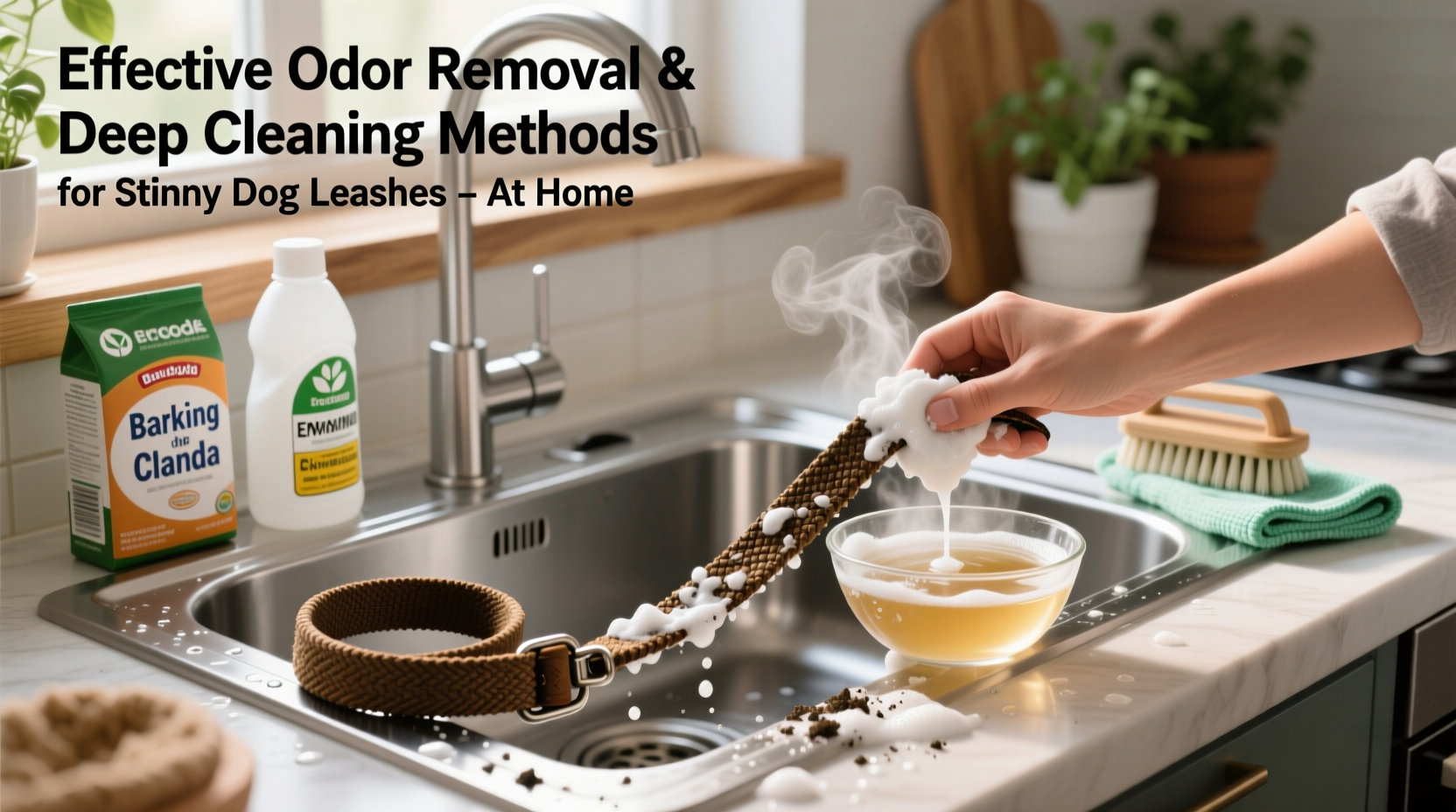
Leashes absorb moisture and organic matter during daily use. Whether it’s saliva from chewing, dirt from trails, or residue from muddy paws, these substances break down over time and produce volatile compounds responsible for bad smells. Synthetic materials like nylon and polyester are especially prone to trapping odor-causing bacteria due to their porous microstructure. Leather leashes, while more durable, can develop mildew if stored damp and emit a sour, musty scent when neglected.
The key to eliminating leash odor lies in disrupting microbial growth and removing embedded grime—not just masking the smell with perfume. Surface cleaning may help temporarily, but without deep sanitization, odors return quickly.
“Odor on pet gear often signals bacterial buildup. Regular deep cleaning reduces health risks and extends equipment life.” — Dr. Lena Patel, Veterinary Preventive Care Specialist
Step-by-Step Guide: Deep Cleaning Any Type of Dog Leash
Cleaning a dog leash properly requires more than a quick rinse. Follow this comprehensive process to ensure thorough sanitation and long-term freshness.
- Inspect the leash: Check for fraying, broken hardware, or weak stitching. If structural damage is present, consider replacing the leash for safety.
- Remove loose debris: Use a soft brush or dry cloth to wipe off dried mud, hair, or plant material.
- Pre-soak (optional): For heavily soiled leashes, soak in lukewarm water for 10–15 minutes to loosen embedded grime.
- Choose a cleaning method: Based on material type (see next section), apply an appropriate cleaning solution.
- Scrub gently: Use a soft-bristle brush to agitate the entire length, focusing on buckles and clips where bacteria accumulate.
- Rinse thoroughly: Run under clean water until no suds or residue remain.
- Sanitize (recommended weekly): Soak in a disinfecting solution for 5–10 minutes.
- Air-dry completely: Hang in a well-ventilated area away from direct sunlight to prevent fading and warping.
Material-Specific Cleaning Solutions
Not all leashes respond the same way to cleaning agents. Using the wrong product can weaken fibers or discolor fabric. Refer to the table below for tailored recommendations based on leash composition.
| Material | Safe Cleaners | Avoid | Drying Method |
|---|---|---|---|
| Nylon/Polyester | Mild dish soap, vinegar solution, oxygen bleach | Chlorine bleach, strong solvents | Hanging line dry |
| Leather | Leather cleaner, diluted castile soap | Vinegar, alcohol, submersion in water | Flat air-dry, condition after |
| Retractable (plastic housing) | Damp cloth with soapy water (external only) | Submerging mechanism, abrasive pads | Wipe and air-dry upright |
| Cotton webbing | Hand wash with gentle detergent | Hot water, wringing, dryer | Lay flat or hang dry |
Homemade Deodorizing Solutions That Work
- Vinegar & Baking Soda Soak: Mix 1 cup white vinegar and ½ cup baking soda in a basin of warm water. Submerge nylon or cotton leashes for 30 minutes before scrubbing and rinsing.
- Hydrogen Peroxide Spray (3%): Effective against mold and organic odors. Spray on affected areas, wait 10 minutes, then wipe clean. Safe for most synthetic fabrics.
- Castile Soap Wash: Dilute 1 tablespoon of unscented castile soap in 2 cups water. Ideal for sensitive dogs or owners avoiding synthetic fragrances.
- Oxygen-Based Cleaner: Products like OxiClean (used as directed) lift stains and neutralize odors without harming fibers.
Mini Case Study: Reviving a Six-Month-Old Nylon Leash
Sarah from Portland adopted a rescue dog who loved rolling in fox droppings during forest walks. Within months, his bright blue nylon leash reeked despite weekly wipe-downs. After trying scented sprays with no lasting effect, she followed a deep-cleaning protocol: pre-soaked the leash in warm water, scrubbed with a baking soda-vinegar paste, then soaked in an oxygen bleach solution for 45 minutes. After thorough rinsing and air-drying, the leash not only looked cleaner but had no detectable odor. Six weeks later, with biweekly maintenance soaks, it remains fresh and functional.
This case illustrates that even deeply embedded biological odors can be eliminated with consistent, science-backed cleaning—not magic, just method.
Essential Do’s and Don’ts for Long-Term Leash Care
| Do’s | Don’ts |
|---|---|
| Wipe down leashes after muddy or wet walks | Leave leashes damp in closed spaces (e.g., car trunks) |
| Store in a dry, ventilated area | Use bleach on synthetic materials |
| Rotate between two leashes to reduce wear | Machine wash unless explicitly labeled safe |
| Condition leather leashes monthly | Allow dogs to chew on leashes (causes fiber breakdown and germ traps) |
FAQ: Common Questions About Cleaning Dog Leashes
How often should I deep clean my dog’s leash?
For average use, deep clean every 3–4 weeks. Dogs that swim, hike through swamps, or chew their leashes may require weekly cleaning. Visible grime or persistent smell are clear indicators it’s time to clean.
Can I use essential oils to make the leash smell nice?
While lavender or citrus oils add fragrance, they don’t sanitize. More importantly, many essential oils are toxic to dogs if ingested. If used at all, dilute heavily and apply only to non-chewable parts. Safer alternatives include scent-free deodorizers or post-wash drying with natural linen spray made from food-grade ingredients.
What if the metal clasp still smells after cleaning?
Hardware often traps moisture and bacteria. Remove it if possible, or use a cotton swab dipped in hydrogen peroxide to clean crevices. Let it air dry fully before reattaching. For retractable mechanisms, avoid liquids; instead, wipe with a disinfectant wipe rated for electronics.
Checklist: Your Monthly Leash Maintenance Routine
- ☐ Inspect for wear, fraying, or rust
- ☐ Brush off surface dirt and hair
- ☐ Perform deep clean using appropriate solution
- ☐ Sanitize with vinegar or oxygen-based soak
- ☐ Air-dry completely before storage
- ☐ Condition leather components (if applicable)
- ☐ Rotate to backup leash if available
Conclusion: Fresh Leashes, Healthier Walks
A clean leash is more than a cosmetic concern—it’s a hygiene necessity. Regular deep cleaning prevents bacterial accumulation, prolongs gear lifespan, and makes every walk more enjoyable. By understanding your leash’s material and applying targeted, safe cleaning methods, you can eliminate odors at the source rather than covering them up. These practices take little time but deliver lasting benefits for both you and your dog.




 浙公网安备
33010002000092号
浙公网安备
33010002000092号 浙B2-20120091-4
Comments
No comments yet. Why don't you start the discussion?