
Consuming fresh produce is a cornerstone of a healthy diet, but concerns about pesticide residues have grown in recent years. While regulatory agencies set safety limits, many consumers prefer to take extra precautions—especially when feeding children or eating foods frequently exposed to agricultural chemicals. Fortunately, several effective, low-cost methods can significantly reduce pesticide levels on fruits and vegetables without compromising nutrition or taste.
The key is understanding which techniques work best for different types of produce and why some common practices fall short. From simple rinsing to targeted washes, this guide outlines proven strategies grounded in food safety research and expert recommendations.
Understanding Pesticide Residues on Produce
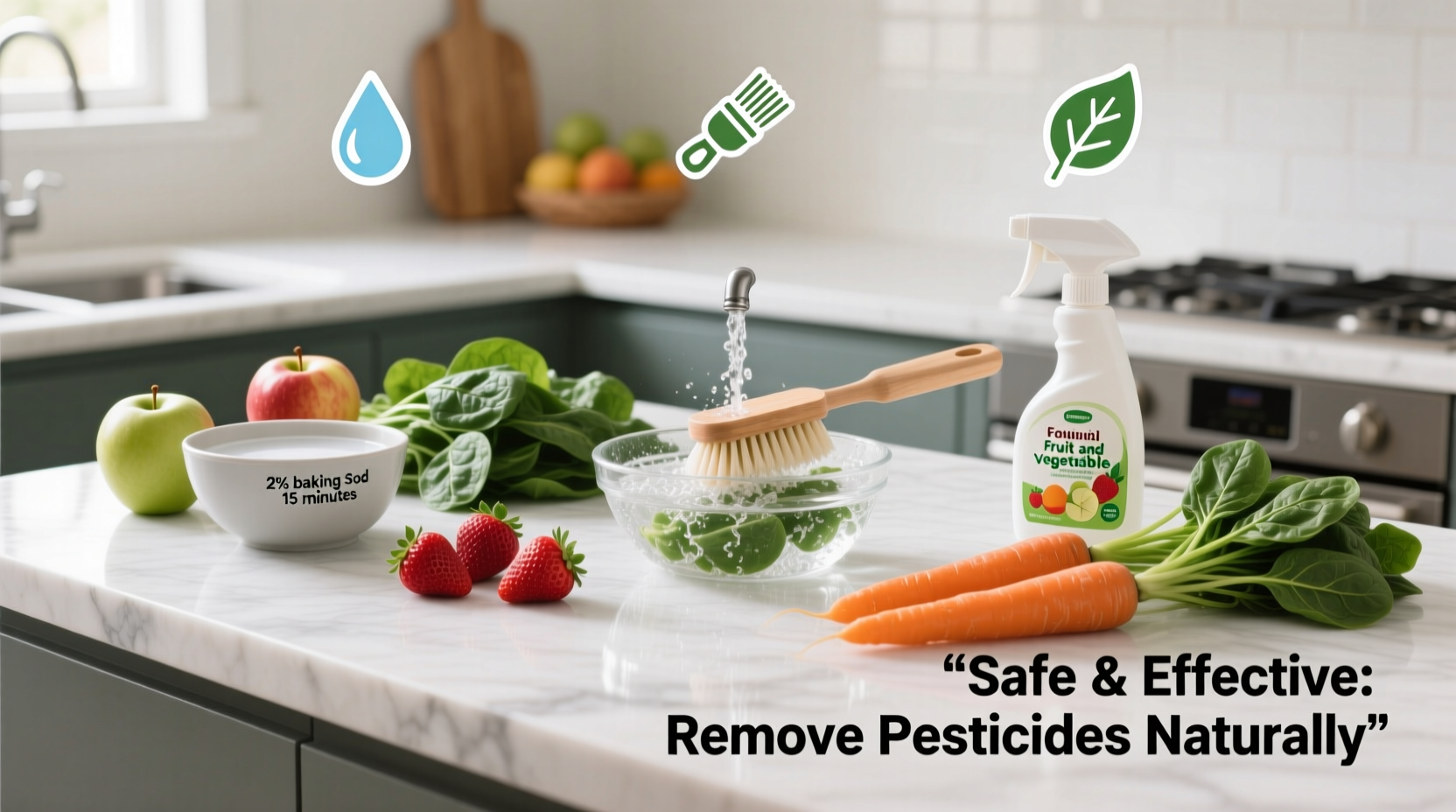
Pesticides are used in conventional farming to protect crops from insects, fungi, and weeds. While most residues on store-bought produce are within legal safety limits, long-term exposure—even at low levels—has raised concerns among health professionals. Certain pesticides, such as organophosphates and neonicotinoids, have been linked to developmental issues in children and endocrine disruption.
Not all produce carries the same risk. The Environmental Working Group (EWG) publishes an annual “Dirty Dozen” list highlighting the fruits and vegetables with the highest pesticide loads. As of recent reports, these include strawberries, spinach, kale, nectarines, apples, and grapes. On the other hand, avocados, sweet corn, pineapples, and onions typically show minimal contamination and are part of the “Clean Fifteen.”
“Even if pesticide levels are below regulatory thresholds, reducing exposure through proper washing is a smart public health practice.” — Dr. Sarah Thompson, Food Safety Researcher at Cornell University
Proven Methods to Remove Pesticides Effectively
Not all cleaning methods are equally effective. Relying solely on tap water may remove dirt and some surface residues, but it doesn’t eliminate many chemical residues that bind to waxy coatings or penetrate microscopic pores. Below are the most scientifically supported techniques.
1. Cold Water Rinse (Basic Step)
Rinsing under cool running water remains the minimum standard for cleaning produce. It removes up to 75–80% of surface contaminants when done thoroughly for 30 seconds. Use your hands to gently rub soft-skinned items like apples, cucumbers, and peppers.
2. Vinegar Soak (Highly Effective)
A solution of 3 parts water to 1 part white vinegar has been shown in studies to remove over 90% of common pesticides, including chlorpyrifos and permethrin. Soak delicate produce like berries for 5–10 minutes; firmer items like apples or potatoes can soak for up to 20 minutes. Rinse thoroughly afterward to remove any residual vinegar taste.
3. Baking Soda Wash (Best for Surface Residues)
A 2017 study published in the Journal of Agricultural and Food Chemistry found that a baking soda solution (1 teaspoon per 2 cups of water) removed nearly all traces of two widely used pesticides from apples after a 12-minute soak. This method is especially effective for waxed fruits.
4. Saltwater Solution (Moderate Efficacy)
A 10% saltwater solution (1 tablespoon of salt per cup of water) helps loosen residues and kill surface microbes. Soak for 10–20 minutes, then rinse well. While less effective than vinegar or baking soda for chemical removal, it’s useful for leafy greens and porous vegetables.
5. Commercial Produce Washes – Are They Worth It?
Many store-bought produce washes claim to remove wax, bacteria, and pesticides. However, independent tests by Consumer Reports indicate they perform only slightly better than plain water. Some contain fragrances or surfactants that may leave behind residues. For most households, natural solutions like vinegar or baking soda offer comparable results at a fraction of the cost.
Step-by-Step Guide: How to Clean Different Types of Produce
One size does not fit all when removing pesticides. Tailor your approach based on texture, skin thickness, and structure.
- Leafy Greens (lettuce, spinach, kale): Separate leaves and soak in vinegar solution (3:1 water to vinegar) for 10 minutes. Swirl gently, then rinse under cold water.
- Firm Fruits (apples, pears, plums): Soak in baking soda solution for 12 minutes, scrub with a soft brush, then rinse.
- Berries (strawberries, blueberries): Soak in vinegar solution for 5 minutes. Place in a colander and rinse carefully to avoid crushing.
- Root Vegetables (potatoes, carrots): Scrub with a brush under running water after soaking in saltwater or vinegar.
- Cucumbers and Zucchini: Use a vegetable brush on wet skin after a brief vinegar soak.
Do’s and Don’ts When Washing Produce
| Do’s | Don’ts |
|---|---|
| Wash hands before handling produce | Use soap or detergent on food—these are not food-safe |
| Use a clean produce brush for firm skins | Soak porous items (like mushrooms) for long periods |
| Dry with a clean cloth or paper towel to reduce microbes | Store unwashed berries—they spoil faster when damp |
| Peel when appropriate (e.g., cucumbers, apples), especially if concerned about residues | Assume organic means zero residues—some organic farms use approved natural pesticides |
Real-World Example: A Family’s Shift to Safer Produce Handling
The Rivera family in Portland, Oregon, began experiencing frequent stomach discomfort after switching to a plant-heavy diet. After consulting a nutritionist, they realized they were rinsing produce quickly under tap water but not using deeper cleaning methods. Following advice, they started soaking apples and spinach in a vinegar solution and adopted a weekly routine using a labeled spray bottle with baking soda mix. Within three weeks, digestive issues subsided, and their youngest child, who had mild sensitivities, showed improved energy levels. While correlation isn’t causation, the family credits the change in washing habits as a major factor in their improved well-being.
Checklist: Safe Pesticide Removal Routine at Home
- Inspect produce for damage or mold before washing
- Remove outer leaves from cabbage, lettuce, or leeks
- Choose the right method based on produce type (vinegar, baking soda, or salt soak)
- Soak for recommended time—don’t rush
- Scrub firm produce with a dedicated vegetable brush
- Rinse thoroughly under running water after soaking
- Dry with a clean towel or air-dry on a rack
- Store properly to extend freshness after washing
Frequently Asked Questions
Can I remove all pesticides from my produce?
While no method eliminates 100% of residues—especially systemic pesticides absorbed into the flesh—proper washing can remove the majority of surface-level contaminants. Peeling further reduces exposure, though it may result in nutrient loss from the skin.
Is organic produce free of pesticides?
No. Organic farming allows the use of certain natural pesticides (e.g., copper sulfate, pyrethrins). These are generally considered less toxic and break down more quickly, but they are still pesticides. Washing organic produce is just as important as washing conventional.
How should I clean pre-packaged \"washed\" greens?
Even if labeled “ready-to-eat,” re-washing adds an extra layer of safety. A quick vinegar or cold water rinse can reduce microbial load and any residual processing chemicals.
Final Thoughts: Make Safe Washing a Habit
Protecting your family from unnecessary chemical exposure doesn’t require expensive tools or drastic changes. Simple, consistent habits—like soaking apples in baking soda or giving spinach a vinegar bath—can make a meaningful difference over time. Combine these methods with informed shopping choices, such as prioritizing organic versions of the “Dirty Dozen,” and you’ll significantly lower your overall pesticide intake.




 浙公网安备
33010002000092号
浙公网安备
33010002000092号 浙B2-20120091-4
Comments
No comments yet. Why don't you start the discussion?