
Accidental Sharpie marks on plastic surfaces are more common than you might think—whether it's a child’s toy, a storage container, or an electronic device casing. While permanent markers are designed to resist fading and smudging, their ink doesn’t have to be permanent on your belongings. The key is using the right method for the type of plastic involved. Improper cleaning can lead to scratches, clouding, or chemical degradation. This guide provides tested, safe solutions that effectively lift Sharpie ink while preserving the integrity of the plastic surface.
Understanding Why Sharpie Sticks to Plastic
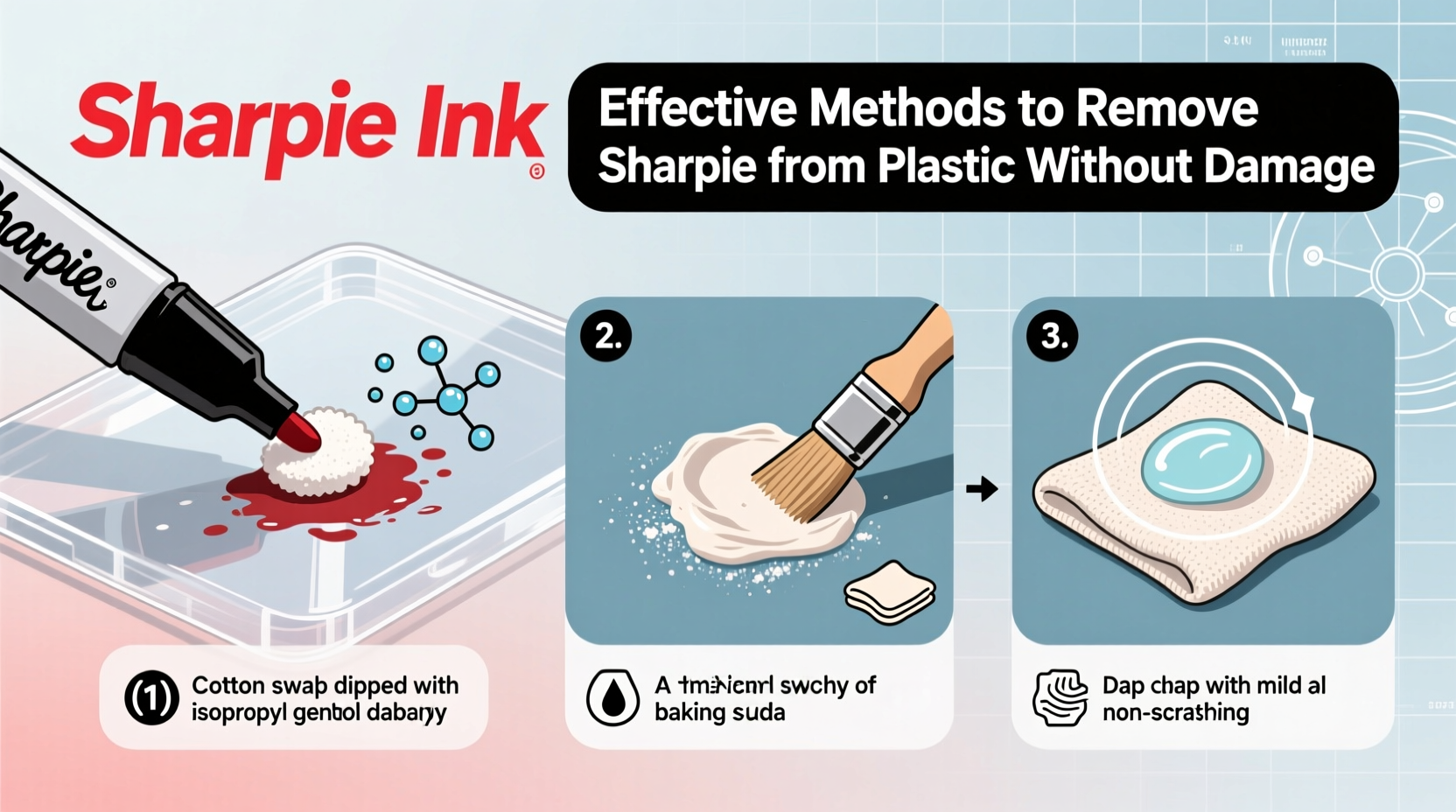
Sharpie ink contains alcohol-based solvents and dyes that bond quickly with porous and non-porous materials. Plastics vary widely in composition—some are highly resistant to chemicals, while others react poorly to solvents like acetone or alcohol. Polycarbonate, acrylic, polypropylene, and ABS plastics each respond differently to cleaning agents. Surface texture also matters: smooth, glossy plastics are easier to clean than textured or matte finishes, which can trap ink in micro-grooves.
The goal isn’t just removal—it’s removal without compromising durability, clarity, or color. Using abrasive tools or harsh chemicals may erase the ink but leave behind etching, discoloration, or a sticky residue. Always test any solution on a small, inconspicuous area first.
Step-by-Step Guide to Remove Sharpie Safely
- Identify the Plastic Type: Check for recycling symbols (usually on the bottom) or manufacturer labels. Avoid aggressive treatments on polycarbonate or acrylic unless confirmed safe.
- Gather Supplies: Cotton balls, soft cloths, rubbing alcohol (isopropyl), dish soap, baking soda, magic erasers, hand sanitizer, and optionally, nail polish remover (acetone-free or with acetone).
- Test First: Apply a small amount of your chosen cleaner to an inconspicuous spot. Wait 30 seconds and wipe. Look for clouding, softening, or color loss.
- Apply the Cleaning Agent: Dampen a cloth or cotton ball—never soak the surface. Gently rub in circular motions.
- Rinse and Dry: After ink removal, wash the area with mild soapy water and dry thoroughly with a lint-free cloth.
Top 5 Effective Methods Ranked by Safety and Efficiency
| Method | Effectiveness | Safety for Plastic | Best For |
|---|---|---|---|
| Rubbing Alcohol (70%+) | High | High (on most plastics) | Smooth surfaces, electronics, toys |
| Hand Sanitizer | Medium-High | High | Kids’ items, quick fixes |
| Baking Soda Paste | Medium | High (if used gently) | Textured plastics, food containers |
| Acetone-Free Nail Polish Remover | High | Medium | Durable plastics only |
| Magic Eraser (Melamine Foam) | Medium | Low-Medium (can scratch) | Non-clear, sturdy plastics |
Real Example: Removing Sharpie from a Child’s Toy Chest
A parent once discovered their toddler had drawn across a translucent plastic toy bin with a black Sharpie. The family tried wiping with water and dish soap—ineffective. They then applied a drop of hand sanitizer to a microfiber cloth and gently rubbed one section. Within 20 seconds, the ink lifted cleanly. They repeated the process across the surface, rinsed with soapy water, and dried. No residue, no damage. The entire cleanup took under five minutes. This case highlights how everyday products can solve stubborn problems when used correctly.
Expert Insight on Solvent Safety
“Alcohol-based cleaners are generally the safest starting point for removing permanent marker from plastics. Acetone can work faster, but it risks softening or crazing certain polymers. Always prioritize dwell time over abrasion.” — Dr. Linda Tran, Materials Scientist at EcoSurface Labs
Dos and Don’ts When Cleaning Plastic Surfaces
| Do | Don't |
|---|---|
| Use a soft cloth or cotton swab | Scrub aggressively with steel wool or rough sponges |
| Dilute strong solvents when possible | Pour acetone directly onto unknown plastics |
| Work in a well-ventilated area | Use bleach or ammonia-based cleaners |
| Clean in small sections | Soak plastic items unnecessarily |
| Rinse after using chemical removers | Leave solvent residues on food-contact surfaces |
When to Avoid DIY Removal
Some situations call for professional handling instead of home remedies. If the plastic is part of a medical device, car interior, or valuable collectible, err on the side of caution. UV-cured coatings or anti-glare layers on screens can be stripped by solvents, leading to irreversible damage. In such cases, consult the manufacturer’s care instructions or contact customer support before proceeding.
Additionally, if the Sharpie has been on the surface for months or exposed to heat, the ink may have penetrated deeper, making removal more difficult. In these instances, multiple gentle applications over time are better than one forceful attempt.
Frequently Asked Questions
Can I use WD-40 to remove Sharpie from plastic?
While WD-40 can break down ink, it leaves behind an oily residue and may degrade certain plastics over time. It’s not recommended for frequent use. If used, apply sparingly, wipe immediately with a dry cloth, and follow with a soap-and-water wash.
Is vinegar effective against Sharpie stains?
Vinegar alone is generally ineffective due to its low solvent strength. However, mixing vinegar with baking soda creates a mild abrasive paste that can help lift surface-level ink when combined with light scrubbing. Best suited for non-sensitive, durable plastics like bins or outdoor furniture.
Will hand sanitizer damage phone cases?
Most silicone, TPU, and hard plastic phone cases tolerate alcohol-based sanitizers well. However, prolonged or repeated use may dull glossy finishes. Wipe gently and rinse if possible. Avoid using on cases with decorative prints or matte coatings that could peel.
Final Checklist for Safe Sharpie Removal
- ✔ Identify the type of plastic if possible
- ✔ Choose the mildest effective method first (e.g., hand sanitizer or rubbing alcohol)
- ✔ Test on a hidden area before full application
- ✔ Use soft, lint-free cloths or cotton swabs
- ✔ Avoid soaking or pooling liquids
- ✔ Rinse with mild soap and water afterward
- ✔ Store cleaned items away from direct sunlight to prevent future staining
Take Action and Preserve Your Items
Removing Sharpie from plastic doesn’t require expensive products or risky procedures. With careful selection of cleaning agents and attention to material compatibility, most marks can be erased safely. The longer you wait, the harder the ink sets—but even aged stains respond well to patient, repeated treatment. Start with rubbing alcohol or hand sanitizer, assess results, and escalate only if needed. By following these guidelines, you protect both the function and appearance of your plastic possessions.




 浙公网安备
33010002000092号
浙公网安备
33010002000092号 浙B2-20120091-4
Comments
No comments yet. Why don't you start the discussion?