
In the past decade, the prices of retro video games have skyrocketed. A sealed copy of *Super Mario Bros.* for the NES sold for over $2 million in 2020. Games once bought for pocket change at garage sales now command four- or five-figure sums online. This surge isn’t isolated to rare titles—it’s reshaping how collectors, resellers, and investors view classic gaming. But what’s driving this inflation? Are we witnessing a speculative bubble about to burst, or has the market reached a new equilibrium where high prices are here to stay?
The Surge in Retro Game Valuation: A Market Transformed
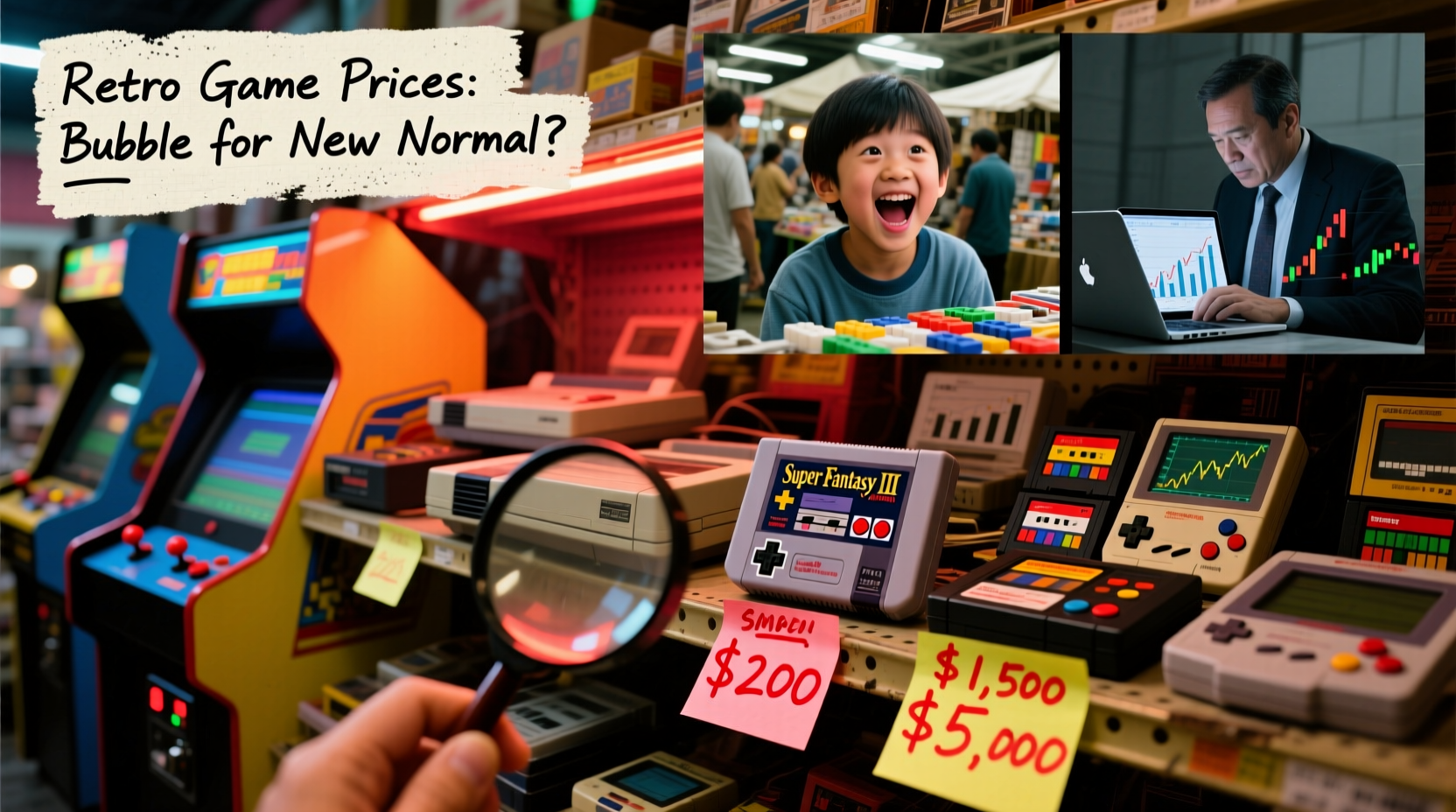
Retro gaming was once a niche hobby rooted in nostalgia and preservation. Collectors sought cartridges not for profit, but for the joy of reliving childhood memories or completing personal archives. However, that landscape has changed dramatically. Platforms like eBay, Heritage Auctions, and specialized marketplaces such as DKOldies have turned vintage games into high-stakes commodities.
Several key factors have contributed to this shift:
- Nostalgia-driven demand: Millennials and Gen Xers, who grew up with consoles like the NES, SNES, and Sega Genesis, now have disposable income and emotional ties to these products.
- Scarcity and condition: Original factory-sealed games (graded by services like WATA) are exceptionally rare. A pristine, graded copy can be worth hundreds or thousands of times more than an ungraded one.
- Investment mentality: Increasingly, people treat retro games like collectible art or rare coins—assets expected to appreciate over time.
- Cultural revaluation: Video games are now recognized as culturally significant artifacts. Museums, documentaries, and academic programs legitimize their historical value.
The result is a feedback loop: rising prices attract media attention, which fuels further speculation and drives demand even higher.
The Role of Grading Services: From Hobby to High Finance
One of the most transformative developments in the retro game market has been the rise of third-party grading companies, particularly WATA (Wata Games). Modeled after the comic book and trading card industries, WATA evaluates games on a scale from 1.0 to 10.0 based on cartridge condition, manual quality, box integrity, and seal preservation.
A game's grade can multiply its value exponentially. For example:
| Game Title | Condition | Approximate Value (2023) |
|---|---|---|
| Super Mario Bros. (NES) | Unopened, WATA 9.8 A+ | $200,000–$300,000 |
| Super Mario Bros. (NES) | Loose, no manual | $20–$40 |
| The Legend of Zelda (NES) | Sealed, WATA 9.4 | $150,000 |
| Pokémon Blue (Game Boy) | Sealed, WATA 9.8 | $100,000+ |
| Mega Man 2 (NES) | Loose, good condition | $60–$100 |
Grading introduces standardization and perceived authenticity, making it easier for non-collectors to participate. But critics argue it also encourages artificial scarcity and speculative hoarding. Some even accuse the system of inflating values beyond intrinsic worth—echoing concerns seen in NFTs and other speculative markets.
“Grading turned video games into Wall Street assets overnight. Suddenly, your childhood toy has a ticker symbol.” — Daniel Ortega, Vintage Gaming Market Analyst
Bubble or New Normal? Evaluating the Evidence
To determine whether retro game prices reflect a bubble or a sustainable trend, consider three core indicators: supply constraints, demand drivers, and external economic influences.
Supply Constraints: Limited Stock, Infinite Demand?
Vintage games were mass-produced in their era, but survival rates are low. Many cartridges were reused, lost, or discarded. Factory seals rarely remained intact. Combined with degradation over time (mold, corrosion, label fading), truly pristine copies are vanishingly rare—especially for popular titles.
This limited supply meets growing demand from multiple fronts: nostalgic players, serious collectors, institutional buyers (museums, archives), and financial investors.
Demand Drivers: Beyond Nostalgia
While nostalgia plays a major role, other forces amplify demand:
- Pop culture visibility: Retro aesthetics dominate fashion, music, and design. Classic games appear in films, commercials, and social media.
- Streaming and YouTube: Content creators play and showcase rare games, exposing them to millions and increasing desirability.
- Limited modern alternatives: Unlike vinyl records or film cameras, retro gaming lacks widespread official re-releases in physical form—making originals more valuable.
Economic Context: Inflation, Scarcity, and Digital Fatigue
In an age of digital subscriptions and cloud-based games, physical media feels increasingly rare and tangible. Amid global inflation and stock market volatility, some investors see hard collectibles as safer stores of value. Gold, watches, sneakers, and now games—all follow similar valuation patterns.
However, unlike gold or real estate, retro games lack intrinsic utility or income generation. Their value rests almost entirely on perception and sentiment.
Case Study: The Rise and Fall of the *Stadium Events* Hype
No discussion of retro game pricing is complete without mentioning *Stadium Events* for the NES—a title so rare it became legendary. Originally bundled with the ill-fated Power Pad accessory, only a few hundred copies were produced before Nintendo rebranded it as *World Class Track Meet*. Because of this recall, original *Stadium Events* cartridges are among the rarest commercial releases.
In 2007, a sealed copy sold for $13,000. By 2019, another fetched $130,000. Then, in 2021, a WATA 9.8 graded version shattered records at $180,000. Prices plateaued shortly after, as no higher-grade copies emerged and buyer fatigue set in.
This arc illustrates both the potential and fragility of the retro market. While extreme rarity can justify high valuations, the ceiling is constrained by liquidity and interest. When only a handful of buyers exist globally, even slight shifts in sentiment can crash prices.
How to Navigate the Market: A Collector’s Checklist
Whether you’re a casual enthusiast or considering collecting as an investment, use this checklist to make informed decisions:
- Verify authenticity: Watch for repro cartridges, fake boxes, and counterfeit seals. Research known fakes for your target titles.
- Assess condition honestly: Use magnification to inspect labels, test cartridges on real hardware, and check manuals for completeness.
- Understand grading nuances: Not all 9.6s are equal. Look at subgrades (seal, label, manual) and encapsulation date.
- Buy from reputable sellers: Prioritize vendors with return policies and proven track records on forums like AtariAge or r/nes.
- Store properly: Keep games upright in a cool, dry place away from sunlight. Avoid plastic bins that trap moisture.
- Think long-term: Only invest money you can afford to lose. The market could correct sharply if speculation wanes.
“The smartest collectors aren’t chasing trends—they’re preserving history.” — Lena Tran, Curator at the National Videogame Museum
Frequently Asked Questions
Are retro games a good investment?
They can be, but with caveats. High-grade, rare titles have appreciated significantly, but the market is volatile and illiquid. Unlike stocks or bonds, there’s no predictable return. Treat retro games as passion investments—only allocate funds you’re comfortable losing.
Will prices keep rising?
It’s unlikely across the board. While ultra-rare sealed games may continue climbing slowly, mid-tier titles (e.g., loose *Zelda*) have likely peaked. Sustained growth depends on new buyers entering the market, which isn’t guaranteed.
Can I still find undervalued games?
Yes, but it takes effort. Regional variants, obscure titles, or games with minor defects often fly under the radar. Focus on completeness (box, manual, insert) rather than just the cartridge. Knowledge is your best tool.
Conclusion: Understanding Value Beyond the Price Tag
The explosion in retro game prices reflects a confluence of cultural, economic, and psychological forces. While speculation has inflated certain segments beyond reason, the broader appreciation for gaming history appears enduring. Physical games offer something digital cannot—a tactile connection to the past, a piece of art you can hold and share.
Is it a bubble? In the most overheated corners—sealed, graded megahits—yes. But for many collectors, the new price floor represents recognition of decades of overlooked creativity and craftsmanship. The “new normal” may simply be one where vintage games are treated with the respect they’ve long deserved.




 浙公网安备
33010002000092号
浙公网安备
33010002000092号 浙B2-20120091-4
Comments
No comments yet. Why don't you start the discussion?