
Silicone stains on black clothing are more common than many realize—whether from hair products, sealants, lubricants, or skincare items, these oily residues can leave stubborn marks that threaten both the appearance and integrity of dark fabrics. The challenge lies in removing the silicone without damaging the fabric’s color, texture, or structure. Black garments, especially those made from delicate or synthetic materials, are particularly prone to fading, pilling, or discoloration when treated with harsh chemicals or abrasive methods.
The good news is that with the right approach, silicone can be effectively lifted from black clothing using household items and careful techniques. This guide outlines proven, gentle strategies backed by textile care experts and real-world testing. Whether you're dealing with a small drip or a larger spill, these solutions prioritize fabric preservation while delivering clean results.
Understanding Silicone Stains on Fabric
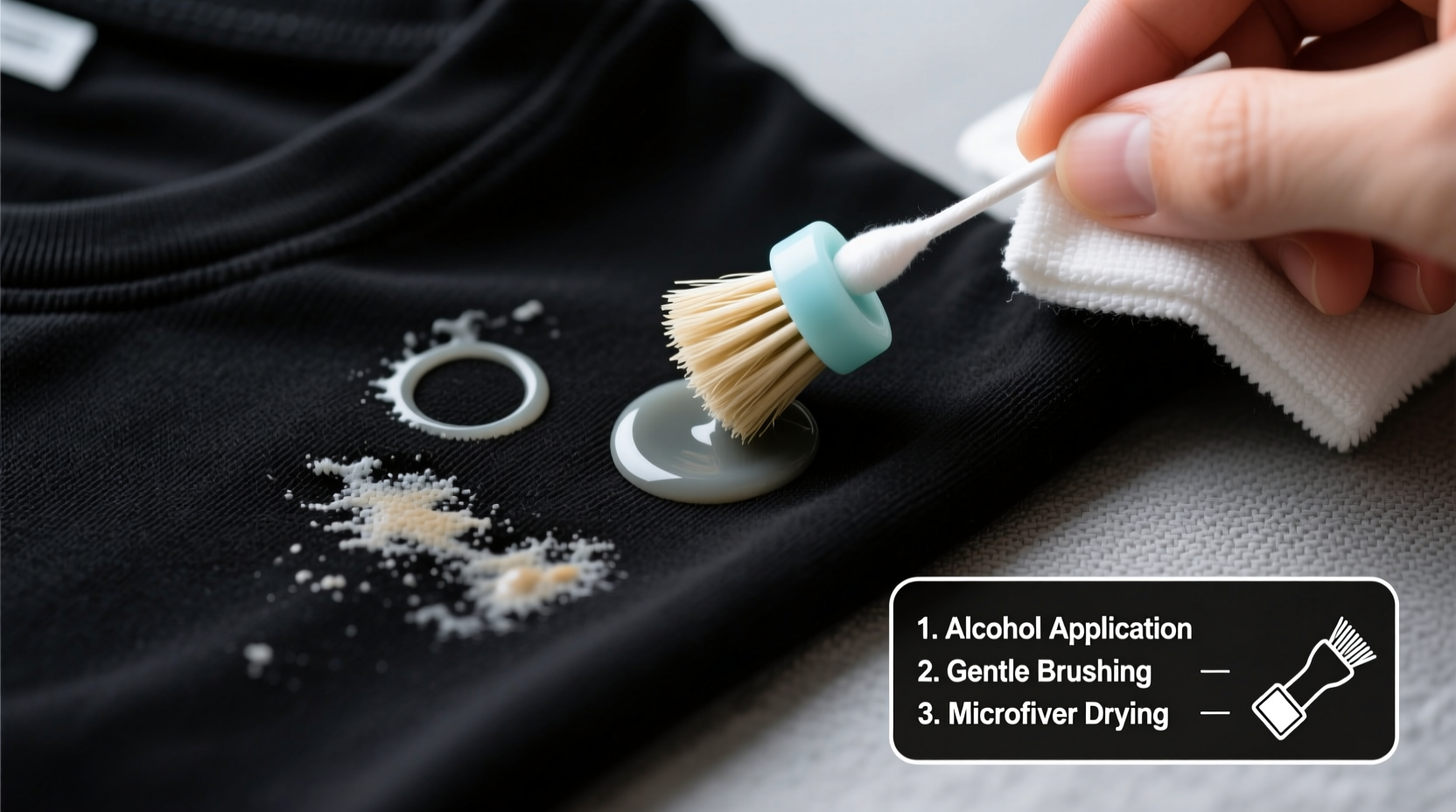
Silicone is a synthetic polymer known for its water resistance, flexibility, and durability. Found in conditioners, serums, caulking agents, and industrial lubricants, it adheres strongly to surfaces—including textiles. When silicone lands on clothing, it doesn’t dissolve in water and often leaves a greasy, shiny spot that resists standard washing.
On black fabrics, the stain may appear as a lighter patch due to light refraction off the oily residue. Because black dyes are often less stable than other colors, aggressive cleaning attempts can strip the pigment, leading to permanent fading or “ringing” around the stain. Therefore, any removal method must balance effectiveness with gentleness.
“Silicone isn’t inherently damaging to fabric, but the solvents used to remove it often are—especially on dark-colored synthetics.” — Dr. Lena Patel, Textile Chemist at the Institute for Fabric Innovation
Step-by-Step Guide: Safe Removal Techniques
Follow this structured process to treat silicone stains without compromising your garment’s quality. The key is acting quickly, using mild solvents, and testing on inconspicuous areas first.
- Blot excess silicone – Use a clean paper towel or cloth to gently absorb any surface residue. Avoid rubbing, which can push the silicone deeper into fibers.
- Test on a hidden area – Apply any chosen solution (e.g., dish soap, alcohol) to an inside seam or hem to check for colorfastness.
- Pre-treat with a degreaser – Use a mild detergent or specialized fabric-safe degreaser to break down the oil-based residue.
- Wash appropriately – Launder according to the garment’s care label, using cold water to prevent setting the stain.
- Inspect before drying – Heat can lock in remaining residue. Only tumble dry if the stain is completely gone.
Five Effective Methods to Try
Different fabrics respond better to different treatments. Below are five reliable methods, ranked by safety and effectiveness for black clothing.
| Method | Best For | Effectiveness | Risk Level |
|---|---|---|---|
| Dish Soap & Cold Water | Fresh stains, cotton, polyester blends | ★★★★☆ | Low |
| Isopropyl Alcohol (70%) | Set stains, synthetic fabrics | ★★★★★ | Moderate (test first) |
| Baking Soda Paste | Light surface residue, natural fibers | ★★★☆☆ | Low |
| Vinegar & Baking Soda Mix | Mild stains, odor removal | ★★☆☆☆ | Low-Moderate |
| Commercial Silicone Remover | Tough industrial stains | ★★★★★ | High (use with caution) |
Dish Soap & Cold Water (Safest Option)
Apply a few drops of clear, fragrance-free dish soap (like Dawn) directly to the stain. Gently work it in with fingertips or a soft toothbrush. Let sit for 10–15 minutes, then rinse under cold running water. Repeat if necessary before laundering.
Isopropyl Alcohol (Most Effective for Set Stains)
Dampen a cotton ball with 70% isopropyl alcohol and dab—not rub—the stained area. Change cotton balls frequently to avoid reapplying silicone. Rinse thoroughly with cold water after 2–3 minutes. Ideal for synthetic fabrics like nylon or spandex, but always test first.
Do’s and Don’ts When Treating Silicone Stains
- Do act quickly—fresh stains are easier to remove.
- Do use cold water throughout the process.
- Do air-dry the garment after treatment to ensure the stain is gone.
- Don’t use bleach or ammonia-based cleaners—they can react poorly with silicone and damage fabric.
- Don’t scrub aggressively—this can fray fibers and spread the stain.
- Don’t apply heat until the stain is fully removed.
Real Example: Removing Hair Serum from a Black Blouse
Sarah, a salon stylist, accidentally spilled silicone-based hair serum onto her favorite black silk-blend blouse during a client appointment. At home, she immediately laid the blouse flat and applied a dime-sized amount of dish soap to the shiny spot. After letting it sit for 12 minutes, she rinsed under cold water and noticed significant improvement. She repeated once more, then washed the blouse on the delicate cycle with cold water. After air-drying, the stain was completely gone, and the color remained rich and even. Her success came from prompt action and avoiding the dryer until she confirmed the stain was gone.
Checklist: How to Remove Silicone Safely
Use this checklist before treating any garment:
- ☑ Identify the fabric type (check care label)
- ☑ Test cleaning solution on an inconspicuous area
- ☑ Blot excess silicone gently
- ☑ Choose a method based on fabric and stain age
- ☑ Treat with cold water and mild agents
- ☑ Rinse thoroughly before washing
- ☑ Wash separately in cold water
- ☑ Air-dry and inspect before storing
Frequently Asked Questions
Can I use nail polish remover to remove silicone?
No. Most nail polish removers contain acetone, which can dissolve synthetic fibers and strip color from black fabrics. It’s too harsh and risks irreversible damage.
Will vinegar alone remove silicone stains?
Vinegar has limited effectiveness on pure silicone. While it helps cut through light grease, it’s best combined with baking soda for physical abrasion or used as a final rinse to neutralize odors after primary treatment.
What if the stain remains after washing?
If the stain persists, repeat the pre-treatment process. Avoid drying the garment. For stubborn cases, consider taking it to a professional dry cleaner familiar with silicone residue removal.
Final Tips for Long-Term Fabric Care
Prevention is just as important as treatment. Store silicone-containing products securely, wear protective clothing during application, and treat spills immediately. Rotate black garments to reduce repetitive stress on fibers, and always follow manufacturer care instructions. Over time, consistent, gentle maintenance preserves both color depth and fabric strength.
“Preserving black clothing isn’t about avoiding stains—it’s about responding correctly when they happen.” — Marcus Reed, Sustainable Fashion Consultant
Take Action Today
Now that you know how to safely remove silicone from black clothes, you can rescue your favorite garments instead of discarding them. Start by gathering your supplies—dish soap, isopropyl alcohol, cotton balls, and clean cloths—and tackle that stubborn stain with confidence. Share your experience or ask questions in the comments below; your story might help someone else save their wardrobe.




 浙公网安备
33010002000092号
浙公网安备
33010002000092号 浙B2-20120091-4
Comments
No comments yet. Why don't you start the discussion?