
Suavitel fabric softener is beloved for its long-lasting fragrance and softening power, but when spilled or over-applied, it can leave greasy, waxy, or discolored stains on clothing. These stains often go unnoticed until after washing, when they reappear more prominently due to heat setting or residue buildup. Removing Suavitel stains requires a careful balance: aggressive cleaning may damage delicate fabrics like silk or wool, while under-treating can leave residue that attracts more dirt. The good news is that with the right approach—based on fabric type, stain age, and product composition—it’s entirely possible to eliminate these stains safely and effectively.
Understanding Suavitel Stains
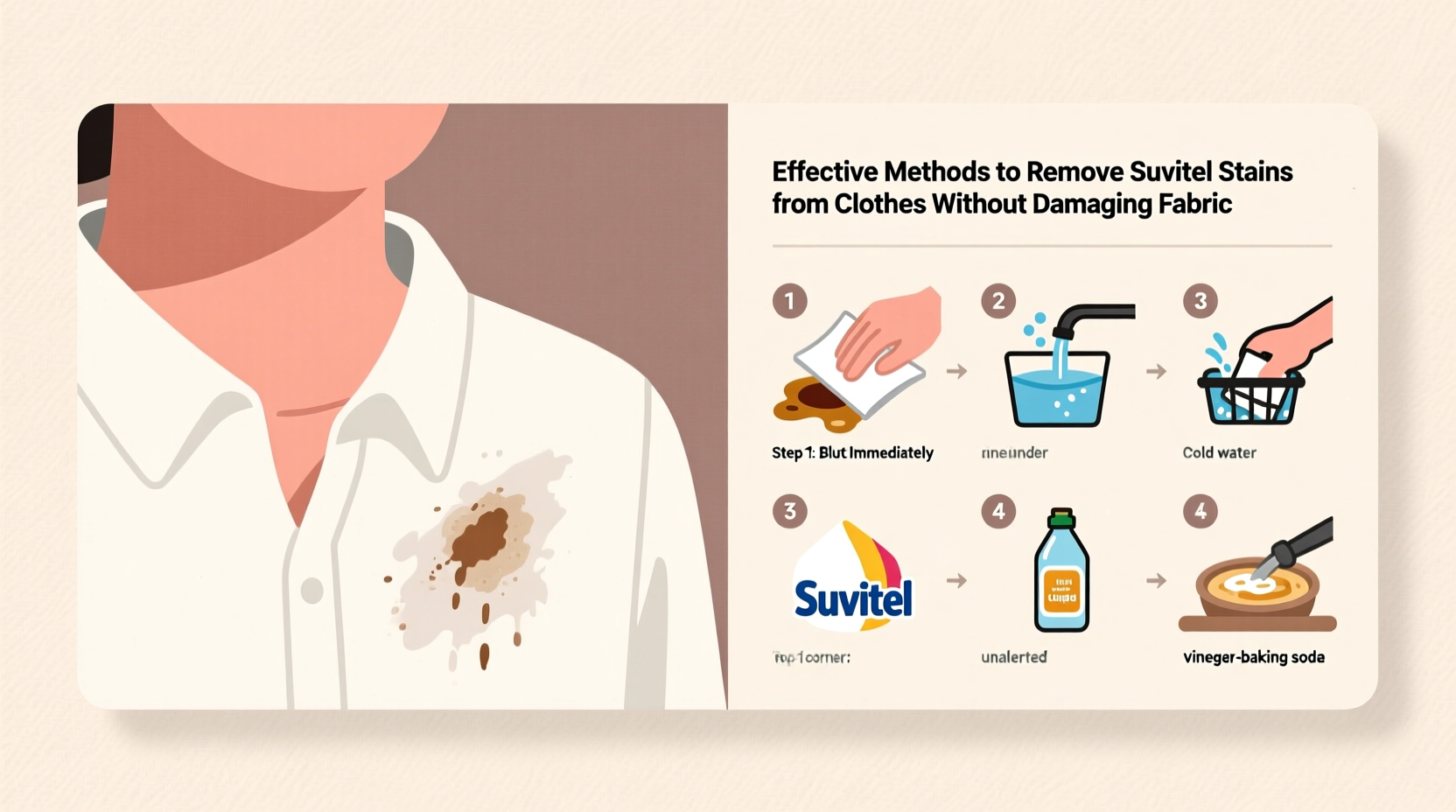
Suavitel contains cationic surfactants and conditioning agents designed to coat fabric fibers. While this enhances softness and scent, excess product can clump into visible residues—especially on dark or tightly woven fabrics. These aren’t traditional “dirt” stains; they’re more akin to oily films that resist water alone. Heat from dryers or irons can further set them, making removal harder.
The key challenge lies in breaking down the waxy emulsion without stripping natural fibers or fading dyes. Immediate action increases success rates dramatically, but even old stains can be treated with patience and proper technique.
“Fabric softener stains are among the most misunderstood because they don’t look like typical spills. They behave more like grease and need degreasing agents—not just soap.” — Dr. Lena Reyes, Textile Chemist at the Institute for Apparel Innovation
Step-by-Step Guide to Remove Fresh Suavitel Stains
Fresh stains (within 24 hours) respond best to treatment. Follow this sequence to maximize results while protecting fabric integrity:
- Blot Excess: Use a clean, dry cloth to gently absorb any wet residue. Do not rub, as this spreads the stain.
- Pre-Treat with Dish Soap: Apply a small amount of clear liquid dish soap (like Dawn) directly to the stain. Its grease-cutting formula dissolves the softener’s oils. Gently work it in with fingertips.
- Rinse with Warm Water: Hold the fabric under warm (not hot) running water from the back of the stain to push residue out.
- Soak if Necessary: For stubborn areas, soak in a basin of warm water and one tablespoon of dish soap for 30 minutes.
- Wash Normally: Launder using your regular cycle and detergent. Avoid dryer heat until the stain is fully gone.
- Air Dry and Check: Hang to dry. Inspect before rewashing or drying with heat. Repeat if needed.
Fabric-Specific Treatment Methods
Different fabrics require tailored approaches. Using the wrong method can lead to shrinkage, color loss, or fiber degradation. Refer to the care label and consider the following guidelines:
| Fabric Type | Recommended Method | Avoid |
|---|---|---|
| Cotton & Linen | Dish soap + warm wash. Safe for moderate agitation and higher temps. | Chlorine bleach on colored items. |
| Polyester & Blends | Pre-treat with rubbing alcohol (diluted 50/50 with water), then machine wash. | High heat drying before stain removal. |
| Silk & Wool | Use white vinegar soak (1 part vinegar to 3 parts cool water) for 15 mins. Rinse and air dry. | Enzyme detergents, agitation, wringing. |
| Denim | Spot clean with baking soda paste, then rinse and wash inside out. | Overuse of bleach or abrasive scrubbing. |
| Delicates (Lace, Underwear) | Hand wash with mild shampoo and cold water. Soak up to 20 minutes. | Wringing, hot water, machine drying. |
Removing Set-In or Reappearing Stains
If a Suavitel stain resurfaces after washing or has been present for days, it likely contains polymerized residues that survived initial laundering. These require deeper intervention:
- White Vinegar and Baking Soda Paste: Mix two tablespoons of baking soda with enough white vinegar to form a thick paste. Apply to the stain, let sit for 20–30 minutes, then gently brush with a soft toothbrush. Rinse thoroughly before washing.
- Isopropyl Alcohol for Synthetic Fabrics: Dab 70% isopropyl alcohol onto the stain using a cotton ball. Blot from the back to lift residue. Rinse immediately with cold water to prevent fiber weakening.
- Repeat Wash with Hot Water (Cotton Only): For durable cotton garments, a second wash with very hot water and extra detergent can help flush out embedded softener.
Mini Case Study: Rescuing a Silk Blouse
María, a nurse from Miami, accidentally spilled Suavitel directly onto her favorite cream silk blouse during laundry day. By the time she noticed, the garment had already gone through the wash and dryer. A yellowish ring appeared near the collar. Following online advice, she avoided harsh detergents and instead soaked the blouse in a solution of 1 cup white vinegar and 3 cups cool water for 15 minutes. She rinsed gently and laid it flat to dry. After air-drying, the stain was nearly invisible. A second soak eliminated all traces. The blouse retained its sheen and shape, proving that gentle, informed treatment works even on sensitive materials.
Prevention and Long-Term Care Checklist
Once a stain is removed, preventing recurrence protects both your clothes and your effort. Follow this checklist to minimize future issues:
- ✅ Measure Suavitel precisely—never pour directly onto clothes.
- ✅ Use the dispenser drawer in your washing machine, not the drum.
- ✅ Switch to unscented or low-residue softeners for frequent use.
- ✅ Clean your washing machine monthly to prevent softener buildup.
- ✅ Air dry stained items until you confirm the stain is gone.
- ✅ Store Suavitel upright in a cool place to avoid leaks.
“Most softener stains stem from overuse or improper dispensing. A little goes a long way—and less means fewer problems.” — James Tran, Appliance Technician and Home Efficiency Consultant
FAQ
Can I use vinegar on all fabrics to remove Suavitel stains?
Vinegar is safe for most washable fabrics like cotton, polyester, and denim. However, it should be used cautiously on silk, wool, and other protein-based fibers, as prolonged exposure can weaken them. Always dilute vinegar and limit soak time to under 30 minutes.
Why does the stain come back after washing?
Heat from the dryer sets oily residues into fibers, making them reappear after laundering. This is why air drying during treatment is crucial. Additionally, leftover softener trapped in washing machine seals can transfer to clothes in subsequent loads.
Is it safe to use rubbing alcohol on colored clothes?
Diluted isopropyl alcohol (50% with water) is generally safe for synthetic and colorfast fabrics. Test on a hidden seam first. Avoid using it on acetate, triacetate, or delicate prints, as it may cause discoloration.
Conclusion
Removing Suavitel stains doesn’t require expensive products or risky techniques. With a clear understanding of how fabric softener behaves and the right combination of household ingredients—dish soap, vinegar, baking soda, and alcohol—you can restore garments safely and effectively. The real secret lies in prompt action, fabric awareness, and avoiding heat until the stain is completely gone. Whether dealing with a fresh spill or a mystery mark from last week’s laundry, these proven methods empower you to act confidently.




 浙公网安备
33010002000092号
浙公网安备
33010002000092号 浙B2-20120091-4
Comments
No comments yet. Why don't you start the discussion?