
Wet stains are among the most common clothing mishaps—whether it’s spilled coffee, red wine, muddy water, or a toddler’s juice box explosion. The key to successful stain removal lies in speed, precision, and using the right technique for the fabric and substance involved. Acting fast prevents the stain from bonding with the fibers, which makes removal far more effective. With the right approach, even stubborn wet stains can be eliminated without harming your garments.
Why Immediate Action Matters
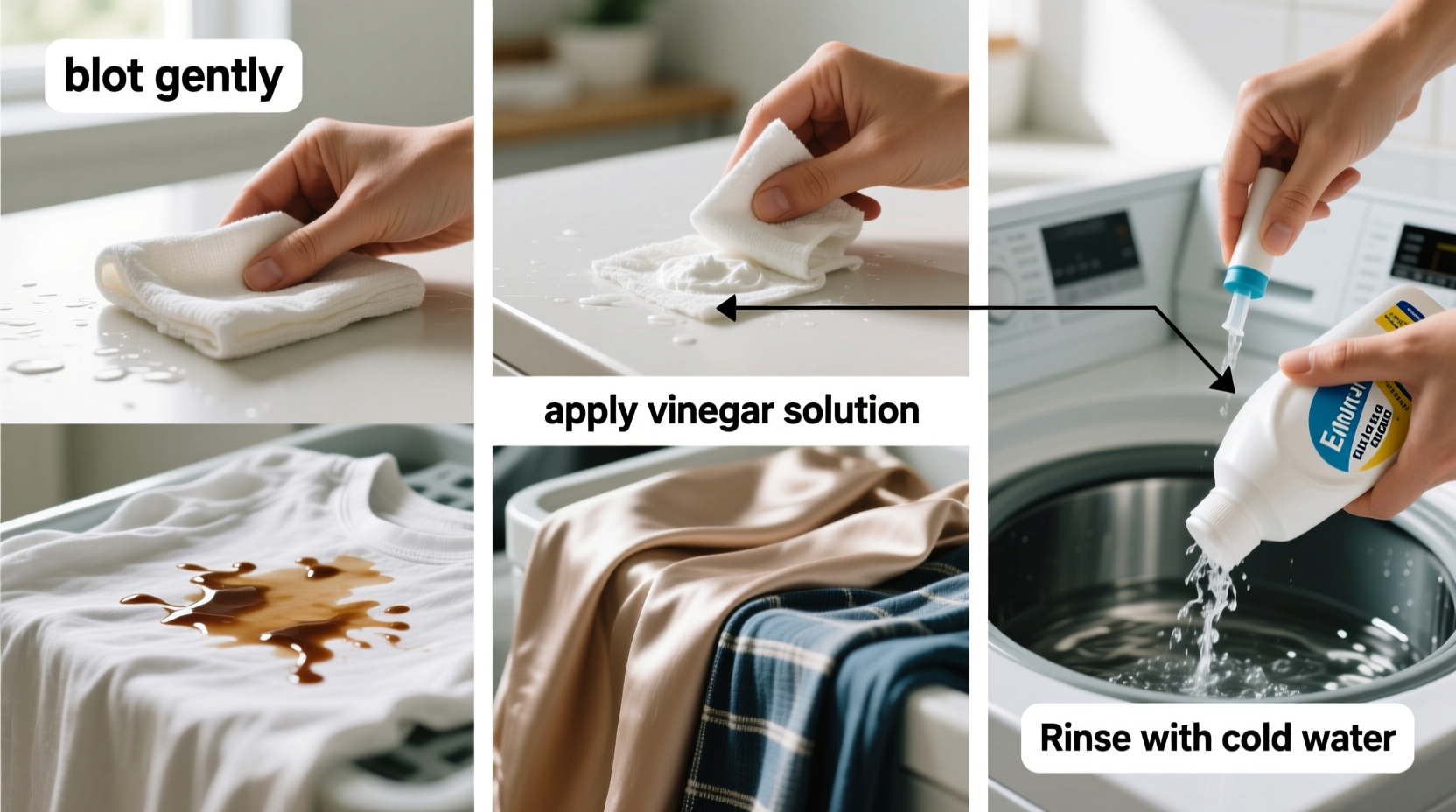
When a liquid spills onto fabric, it begins to penetrate the fibers almost instantly. Over time, moisture allows dyes, sugars, proteins, or tannins in the liquid to bind chemically with the textile. Heat (like that from a dryer) and agitation (from rubbing or washing at high temperatures) can set the stain permanently. That’s why delaying treatment drastically reduces your chances of full recovery.
The first 5–10 minutes after a spill are critical. During this window, most wet stains remain on the surface or just below, making them easier to extract before they oxidize or dry. Quick response not only improves results but also minimizes the need for harsh chemicals or repeated washes that wear down fabric over time.
Step-by-Step Guide to Removing Wet Stains
Follow this universal protocol for handling fresh wet stains. While specific substances require tailored treatments, this sequence provides a solid foundation for nearly all scenarios.
- Blot Excess Liquid: Use a clean, absorbent cloth or paper towel to gently press down on the stain. Work from the outside inward to prevent spreading.
- Identify the Fabric Type: Check the garment’s care label. Delicate materials like silk or wool require gentler solutions than cotton or polyester.
- Determine the Stain Type: Is it protein-based (milk, blood), tannin-rich (coffee, wine), oily (grease, salad dressing), or dye-laden (ink, colored drinks)? This affects your cleaning agent choice.
- Rinse with Cold Water: Hold the stained area under cold running water from the reverse side to push the stain out. Never use hot water initially—it sets many types of stains.
- Apply an Appropriate Treatment: Based on the stain type, apply a targeted solution (see next section).
- Let It Sit (Briefly): Allow the solution to work for 5–15 minutes, depending on sensitivity. Do not let it dry on the fabric.
- Launder as Usual: Wash according to the care label, ideally alone or with similar colors. Air dry first to ensure the stain is gone before heat-setting.
Treatment Methods by Stain Type
Different liquids interact with fabrics in unique ways. Matching your method to the chemistry of the spill increases success rates dramatically.
| Stain Type | Common Examples | Recommended Solution | Notes |
|---|---|---|---|
| Protein-Based | Blood, milk, egg, sweat | Cold water + enzyme detergent | Enzymes break down proteins; avoid heat until fully removed |
| Tannin-Rich | Coffee, tea, red wine, fruit juice | Vinegar & salt mix or diluted dish soap | Acid helps neutralize tannins; treat immediately |
| Oily/Greasy | Salad dressing, cooking oil, butter | Dishwashing liquid (e.g., Dawn) | Breaks down oils; pre-treat before rinsing |
| Dye-Based | Cola, ink, soft drinks | Hydrogen peroxide (on whites) or rubbing alcohol | Test for colorfastness first; avoid on silk or wool |
| Muddy Water | Rainwater, puddles, soil runoff | Cold water rinse + mild detergent | Let mud dry slightly before brushing off excess |
Homemade Solutions That Work
- Vinegar & Baking Soda Paste: For organic stains like juice or soda. Mix two parts baking soda with one part vinegar, apply, wait 10 minutes, then rinse.
- Dish Soap & Water (1:2 ratio): Ideal for grease. Apply directly, agitate gently with fingers, then flush with cold water.
- Hydrogen Peroxide (3%): Effective on color-safe fabrics for tough organic stains. Always spot-test first.
Real Example: Coffee Spill on a White Linen Shirt
Sarah, a marketing executive, spilled her morning latte on a crisp white linen blouse before a client meeting. She immediately grabbed a napkin and blotted the sleeve. At home, she held the fabric under cold running water from behind the stain, flushing out as much coffee as possible. Next, she mixed one teaspoon of liquid dish soap with two teaspoons of white vinegar and applied it to the area. After letting it sit for 8 minutes, she rinsed again and washed the shirt in cold water using a gentle cycle. She air-dried it—and the stain vanished completely. By acting swiftly and using household ingredients correctly, Sarah saved a $75 shirt and avoided embarrassment.
“Time is the enemy of stain removal. The longer you wait, the more the stain bonds with the fiber. Immediate intervention can make the difference between salvageable and ruined.” — Dr. Linda Reeves, Textile Chemist, University of Georgia
Do’s and Don’ts of Wet Stain Removal
| Do’s | Don’ts |
|---|---|
| Blot stains immediately with a clean cloth | Rub the stain aggressively |
| Use cold water first for most spills | Apply heat (iron or dryer) before confirming the stain is gone |
| Check garment labels before applying any solution | Use bleach on unknown stains or delicate fabrics |
| Test cleaning agents on an inconspicuous area | Over-saturate the fabric with chemicals |
| Pre-treat with appropriate household products | Delay laundering beyond a few hours |
Frequently Asked Questions
Can I use hot water to remove a fresh wet stain?
No. Hot water can set protein and tannin-based stains by causing them to coagulate or bond with fibers. Always start with cold water unless dealing with wax or solidified grease, where warmth may help liquefy the substance first.
What if I don’t know what caused the stain?
If the source is unknown, begin with a safe, universal method: rinse thoroughly under cold water, then apply a small amount of mild dish soap. This works on most water- and oil-based spills. Avoid strong solvents until you’ve tested for colorfastness and fabric compatibility.
Is it safe to use vinegar on colored clothes?
Generally yes—white distilled vinegar is mild and rarely causes fading. However, always test on a hidden seam or hem first. Avoid using vinegar on silk or rayon unless diluted heavily (1 part vinegar to 4 parts water), as acidity may weaken fibers over time.
Essential Checklist for Quick Stain Response
- ✅ Blot—don’t rub—the excess liquid
- ✅ Identify the fabric and check care instructions
- ✅ Determine the likely stain type (if known)
- ✅ Rinse under cold running water from the back of the stain
- ✅ Apply a targeted treatment (dish soap, vinegar, etc.)
- ✅ Wait 5–15 minutes, then rinse again
- ✅ Launder according to label, using the coolest effective setting
- ✅ Air dry and inspect before machine drying
Final Thoughts: Turn Accidents Into Opportunities for Care
Spills happen—even the most careful people face wardrobe emergencies. But every wet stain presents an opportunity to practice mindful garment care. By equipping yourself with knowledge, simple supplies, and the discipline to act quickly, you extend the life of your clothing, reduce waste, and maintain confidence in your appearance. These methods aren’t just about fixing mistakes—they’re about building a smarter relationship with your wardrobe.




 浙公网安备
33010002000092号
浙公网安备
33010002000092号 浙B2-20120091-4
Comments
No comments yet. Why don't you start the discussion?