
White clothing carries a timeless elegance, but it's also notoriously difficult to maintain. Over time, even the most carefully worn whites can yellow, gray, or develop persistent stains from sweat, food, or environmental exposure. While many resort to discarding stained items, there are several scientifically sound and practical methods to reverse discoloration and lift even the most tenacious blemishes. The key lies in understanding fabric types, stain chemistry, and using the right combination of natural and household agents.
Understanding Why Whites Fade and Stain
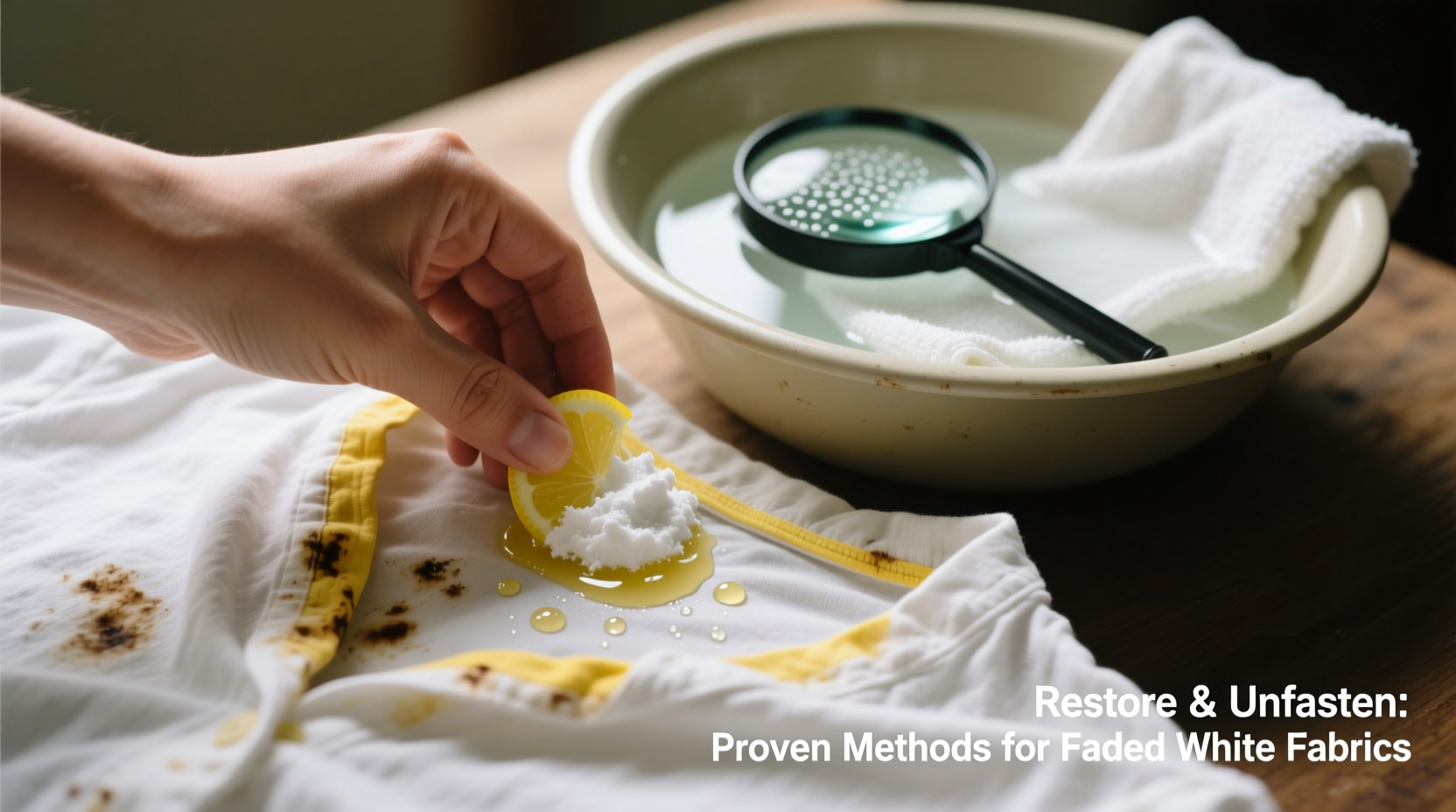
Fading and staining on white garments result from a mix of chemical reactions, physical abrasion, and improper laundering. Chlorine bleach, while commonly used, can degrade cotton fibers and cause yellowing over time—especially under heat or sunlight. Sweat contains proteins and salts that bond with fabric; when combined with deodorant chemicals, they form insoluble residues. Environmental pollutants like ozone and nitrogen oxides can also react with textile finishes, leading to dinginess.
Detergent buildup is another silent culprit. Residual surfactants attract dirt and prevent fabrics from appearing truly bright. This explains why some whites look “gray” rather than clean after multiple washes. Recognizing these root causes allows for targeted restoration strategies instead of repeated, ineffective scrubbing.
“Whites don’t just get dirty—they undergo chemical aging. Effective restoration requires reversing oxidation and breaking down organic deposits without damaging fibers.” — Dr. Lina Park, Textile Chemist, University of Leeds
Step-by-Step Guide to Reviving Stubbornly Stained Whites
Restoring stained or faded whites isn't about brute force—it’s about precision and patience. Follow this detailed timeline to safely reclaim brightness and eliminate deep-set stains.
- Sort by Fabric Type: Separate cotton, linen, polyester, and blends. Cotton tolerates stronger treatments; synthetics may degrade with high alkalinity or heat.
- Pre-Treat Visible Stains: Apply a paste of baking soda and hydrogen peroxide (3%) directly to stained areas. Let sit for 30 minutes. For protein-based stains (sweat, food), use enzyme-based stain removers.
- Soak in Oxygen-Based Solution: Fill a basin with warm water (not hot) and dissolve ½ cup of oxygen bleach (sodium percarbonate). Submerge garments for 4–6 hours, up to overnight for severe cases.
- Wash Normally: After soaking, launder in the hottest water safe for the fabric, using a heavy-duty detergent. Add ½ cup white vinegar to the rinse cycle to remove detergent residue.
- Air-Dry in Sunlight: UV rays naturally break down organic compounds. Hang garments in direct sunlight until fully dry. Avoid tumble drying until you confirm the stain is gone, as heat can set remaining residues.
- Repeat if Necessary: Some deeply oxidized stains require two cycles. Never rewash with chlorine bleach during this process.
Effective Natural and Household Remedies
Many commercial stain removers contain harsh chemicals that compromise fabric longevity. Safer alternatives exist in your pantry and cleaning cabinet. These solutions work by altering pH, releasing oxygen, or enzymatically breaking down organic matter.
- Baking Soda + Hydrogen Peroxide: A mildly abrasive paste that lifts surface grime and bleaches without chlorine. Ideal for collars and cuffs.
- White Vinegar: Dissolves mineral deposits and neutralizes odors. Adding 1 cup to the rinse cycle helps whites appear brighter.
- Lemon Juice + Sunlight: Citric acid acts as a natural bleach. Squeeze juice onto stains, then expose to sunlight for 1–2 hours before washing.
- Aspirin Dissolved in Water: Salicylic acid breaks down protein-based stains. Crush two tablets, dissolve in warm water, soak for 3 hours.
- Dish Soap (Degreaser): A few drops of blue Dawn on oily stains emulsify grease before washing.
| Stain Type | Recommended Treatment | Avoid |
|---|---|---|
| Sweat/Yellowing | Oxygen bleach soak + vinegar rinse | Chlorine bleach, high-heat drying |
| Food/Oil | Dawn dish soap pre-treatment + baking soda | Rubbing dry—spreads the stain |
| Mold/Mildew | Vinegar soak (1 hour) + oxygen bleach | Ammonia (creates toxic fumes with bleach) |
| Ink | Isopropyl alcohol dab (cotton swab) | Water alone—sets the ink |
| Unknown/Dullness | Full oxygen bleach soak + sun-drying | Repeated chlorine use |
Mini Case Study: Restoring a Yellowed Wedding Shirt
James had stored his white dress shirt from his wedding five years prior. When he retrieved it, the collar and underarms were deeply yellowed, and the fabric felt stiff. He avoided dry cleaning due to cost and chemical concerns. Instead, he crushed two aspirin tablets and dissolved them in a liter of warm water. He submerged the shirt for three hours, then applied a paste of baking soda and hydrogen peroxide to the collar. After an overnight soak in oxygen bleach solution, he washed it with detergent and added vinegar to the rinse. Upon air-drying in direct sunlight, the shirt regained nearly all its original brightness. The stiffness disappeared, and no damage occurred to the fine cotton weave.
This case illustrates how layered approaches—targeted pre-treatment followed by full restoration—can revive garments thought to be beyond repair.
Checklist: Revive Faded Whites Safely and Effectively
Use this checklist before beginning any restoration effort:
- ✅ Identify fabric type and care label instructions
- ✅ Sort garments by color and composition
- ✅ Test treatments on a hidden area
- ✅ Pre-treat all visible stains before soaking
- ✅ Use oxygen bleach—not chlorine—for soaking
- ✅ Include white vinegar in the final rinse
- ✅ Dry in sunlight whenever possible
- ✅ Inspect before drying; repeat if needed
Common Mistakes That Worsen Stains
Even well-intentioned efforts can backfire. Common errors include:
- Using chlorine bleach on protein stains: Turns yellow instead of removing it.
- Applying heat too soon: Tumble drying sets organic residues permanently.
- Overloading the washer: Reduces water circulation, leaving detergent and soil trapped.
- Ignoring water hardness: Hard water reduces detergent efficiency and leaves mineral films.
If your whites consistently come out dull despite regular washing, consider installing a water softener or using a water-conditioning additive like Calgon.
FAQ
Can I use baking soda and vinegar together in one wash?
No—while both are useful, combining them neutralizes their effects (they create salt and water). Use vinegar only in the rinse cycle, not mixed with baking soda during wash.
Why do my whites turn gray after washing?
Gray tones usually indicate dye transfer, detergent buildup, or insufficient rinsing. Wash whites separately, reduce detergent用量, and add a cup of vinegar to help flush residues.
Is sunlight really effective for whitening?
Yes. Ultraviolet radiation breaks down chromophores—the parts of molecules that absorb visible light and cause yellowing. Sun-drying is a free, eco-friendly whitening method, especially effective after chemical treatment.
Conclusion
Reviving faded white garments doesn’t require expensive products or industrial equipment. With a clear understanding of stain types, proper sequencing, and accessible household ingredients, even the most neglected whites can be restored. The process demands attention and timing, but the results—clean, bright, long-lasting clothing—are worth the effort. By replacing guesswork with methodical care, you extend the life of your wardrobe, reduce waste, and maintain the crisp elegance that only true white can offer.




 浙公网安备
33010002000092号
浙公网安备
33010002000092号 浙B2-20120091-4
Comments
No comments yet. Why don't you start the discussion?