
Ringworm, despite its name, is not caused by a worm but by a fungal infection known as dermatophytosis. Highly contagious and resilient, the fungus produces microscopic spores that can survive on fabrics, upholstery, and surfaces for weeks. When clothing or linens are contaminated, they become silent carriers of reinfection—especially dangerous in households with children, pets, or immunocompromised individuals. Eliminating these spores requires more than routine laundering; it demands targeted, hygienic protocols grounded in microbiological understanding. This guide outlines proven strategies to decontaminate clothing effectively and break the cycle of recurrence.
Understanding Ringworm Spores and Their Resilience
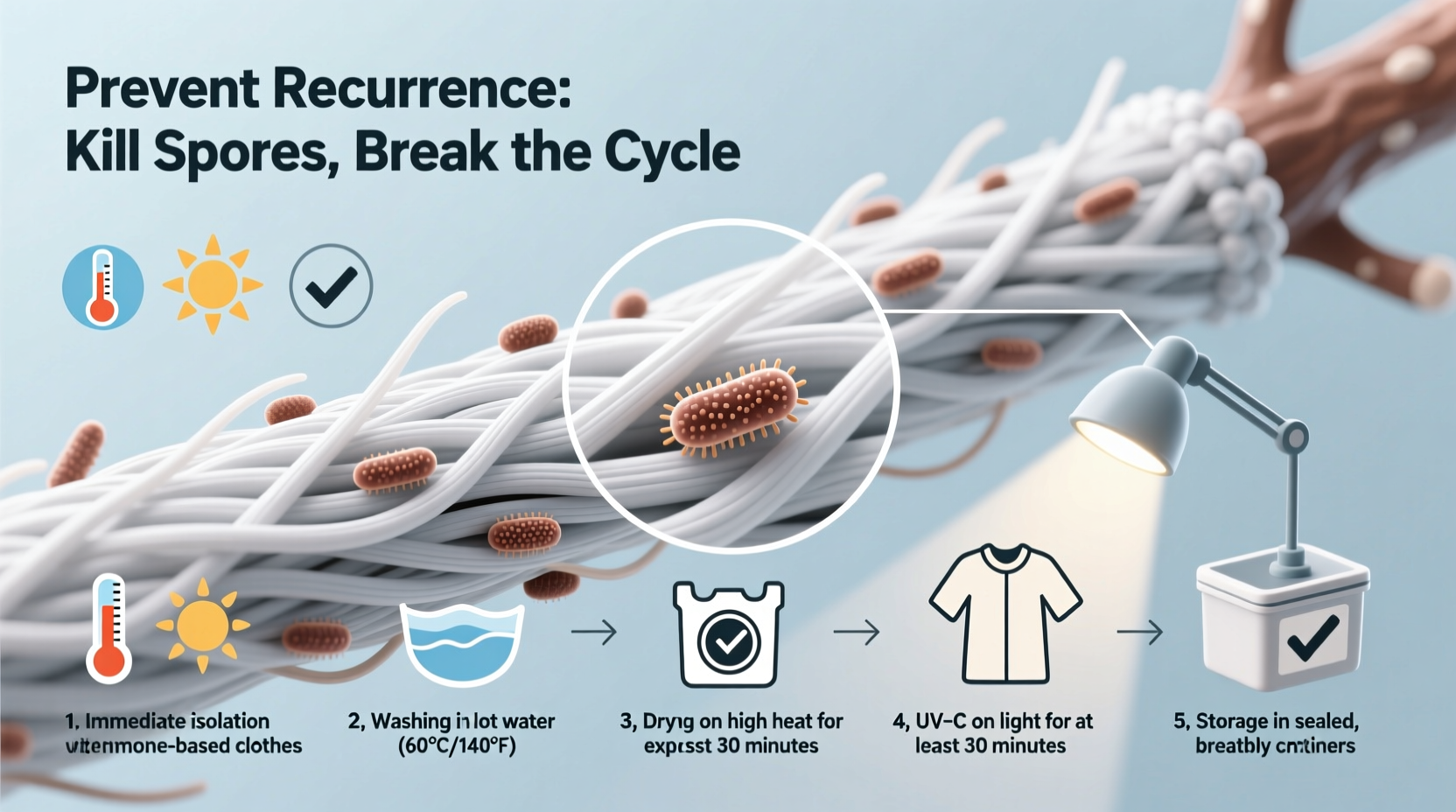
The fungi responsible for ringworm—most commonly *Trichophyton*, *Microsporum*, and *Epidermophyton* species—produce hardy spores capable of surviving in dark, warm, and moist environments. These spores cling to textile fibers, especially natural materials like cotton and wool, where they can remain viable for up to 18 months under ideal conditions. Standard washing at low temperatures may spread rather than destroy them, making improper laundering a common cause of repeated infections.
Spores thrive in communal settings: gyms, locker rooms, shared laundry facilities, and multi-pet homes. A single contaminated towel or shirt can reintroduce the fungus to skin or other fabrics long after initial treatment has ended. Therefore, containment begins not just with antifungal medication, but with rigorous environmental decontamination.
“Fungal spores are among the most persistent pathogens in domestic environments. Heat and chemical disinfectants are essential for full eradication.” — Dr. Lena Patel, Clinical Microbiologist, University of Colorado School of Medicine
Step-by-Step Guide to Decontaminating Infected Clothing
Eliminating ringworm spores from clothing involves a combination of heat, detergent chemistry, and proper drying techniques. Follow this sequence to ensure maximum effectiveness:
- Isolate Contaminated Items Immediately: Place all clothing, towels, bedding, and undergarments used during infection into a sealed plastic bag. Avoid shaking items to prevent airborne dispersal of spores.
- Pre-Treat with Antifungal Solution: Soak garments in a solution of one part white vinegar to three parts water for 30 minutes, or use a commercial antifungal laundry additive such as FungiCure or Clorox Disinfecting Bleach (if fabric-safe).
- Wash at High Temperature: Use hot water (at least 60°C / 140°F) with a heavy-duty detergent. Add ½ cup of bleach (for whites) or color-safe oxygen bleach (for colors) to enhance spore-killing power.
- Select a Long Wash Cycle: Choose the “heavy soil” or “sanitize” setting on your machine to extend agitation time and improve microbial removal.
- Dry Thoroughly on High Heat: Tumble dry for at least 45 minutes on the highest heat setting safe for the fabric. Heat above 55°C (131°F) significantly reduces spore viability.
- Clean the Washing Machine: Run an empty cycle with bleach or vinegar afterward to sanitize internal components and prevent cross-contamination.
Do’s and Don’ts: Best Practices for Handling Contaminated Fabrics
| Do’s | Don’ts |
|---|---|
| Use disposable gloves when handling soiled items | Shake out clothes before washing (releases spores into air) |
| Wear wash-resistant aprons if dealing with large loads | Wash contaminated items with regular laundry |
| Disinfect hampers and baskets with rubbing alcohol | Use cold or warm water only—insufficient for spore kill |
| Air out storage areas daily to reduce humidity | Store damp clothes in closed cabinets |
| Replace heavily soiled or porous items (e.g., old socks) | Reuse brushes or lint rollers without sterilizing them |
Preventing Recurrence: A Household Defense Strategy
Even after successful treatment of visible symptoms, residual spores in the environment can trigger relapse. Prevention hinges on sustained hygiene practices across multiple fronts:
- Rotate and Quarantine: If multiple people share laundry, designate separate days for affected individuals until fully cleared by a physician.
- Treat Pets Proactively: Animals often carry ringworm asymptomatically. Consult a veterinarian if human cases recur despite clean laundry.
- Use UV-C Sanitizers: Portable UV-C wands can be used on non-washable items like shoes, hats, or stuffed animals. Studies show UV light disrupts fungal DNA within minutes.
- Maintain Low Humidity: Keep indoor humidity below 50% using dehumidifiers, especially in bathrooms and bedrooms.
- Replace Soft Furnishings When Necessary: Old carpets, curtains, and upholstered furniture may harbor spores beyond cleaning capacity.
Real Example: Breaking the Cycle in a Family Home
In a case documented by a pediatric dermatology clinic in Portland, a family of five experienced recurring ringworm over six months. Despite topical treatments, new lesions appeared weekly. An environmental audit revealed that towels were being washed in cold water due to color concerns, and the youngest child’s favorite hoodie had never been properly disinfected. After switching to high-heat cycles, introducing vinegar pre-soaks, and replacing two frequently used blankets, no new cases emerged in the following four months. The key was consistency—not just treating the infection, but managing the ecosystem around it.
Essential Checklist for Safe Ringworm Decontamination
Use this checklist after each suspected exposure or confirmed diagnosis:
- Identify and isolate all potentially contaminated clothing and linens
- Pre-soak items in vinegar or antifungal laundry solution
- Wash in hot water (≥60°C / 140°F) with detergent + bleach or oxygen-based alternative
- Dry on high heat for minimum 45 minutes
- Sanitize washing machine, hamper, and hands post-laundering
- Inspect and clean non-washable items (shoes, belts, etc.) with disinfectant wipes or UV light
- Repeat process after full medical clearance to ensure no residual contamination
Frequently Asked Questions
Can I use cold water if my clothes are color-sensitive?
Cold water alone is ineffective against ringworm spores. Instead, use color-safe oxygen bleach (such as OxiClean) combined with a hot rinse cycle if available. Alternatively, hand-wash delicate items in warm water (at least 50°C) with tea tree oil—a natural antifungal agent—added to the soak.
How long do ringworm spores live on clothes?
Under favorable conditions—darkness, moisture, and organic residue—spores can survive up to 18 months. However, most lose viability within 1–3 weeks when exposed to sunlight, dry air, or proper cleaning. Prompt decontamination drastically reduces persistence.
Should I throw away clothes after a ringworm infection?
Not necessarily. Most garments can be safely salvaged with proper disinfection. However, consider discarding heavily soiled, porous, or sentimental items that cannot withstand high heat or chemicals, particularly if household members remain vulnerable.
Final Steps Toward a Spore-Free Environment
Eliminating ringworm spores from clothing isn't a one-time chore—it's part of a broader strategy to create a hostile environment for fungal survival. Effective removal combines scientific knowledge with disciplined habits: high-temperature washing, strategic use of disinfectants, and vigilant monitoring of household hygiene. Once implemented, these steps dramatically reduce the risk of reinfection and protect everyone in your home.
Remember, healing doesn’t end when the rash disappears. True recovery includes reclaiming a safe living space, free from hidden reservoirs of contagion. Take action today—your future self will thank you.




 浙公网安备
33010002000092号
浙公网安备
33010002000092号 浙B2-20120091-4
Comments
No comments yet. Why don't you start the discussion?