
Receiving repeated calls from an unknown number can be unsettling—whether it's a missed call, spam message, or potential scam attempt. While curiosity is natural, identifying a caller requires care. Done improperly, it can breach privacy laws or expose you to fraud. The key lies in using legal, ethical, and reliable tools to uncover who’s behind a number. This guide outlines proven techniques that balance effectiveness with safety, helping you protect your peace of mind without overstepping boundaries.
Understanding the Risks and Legal Boundaries
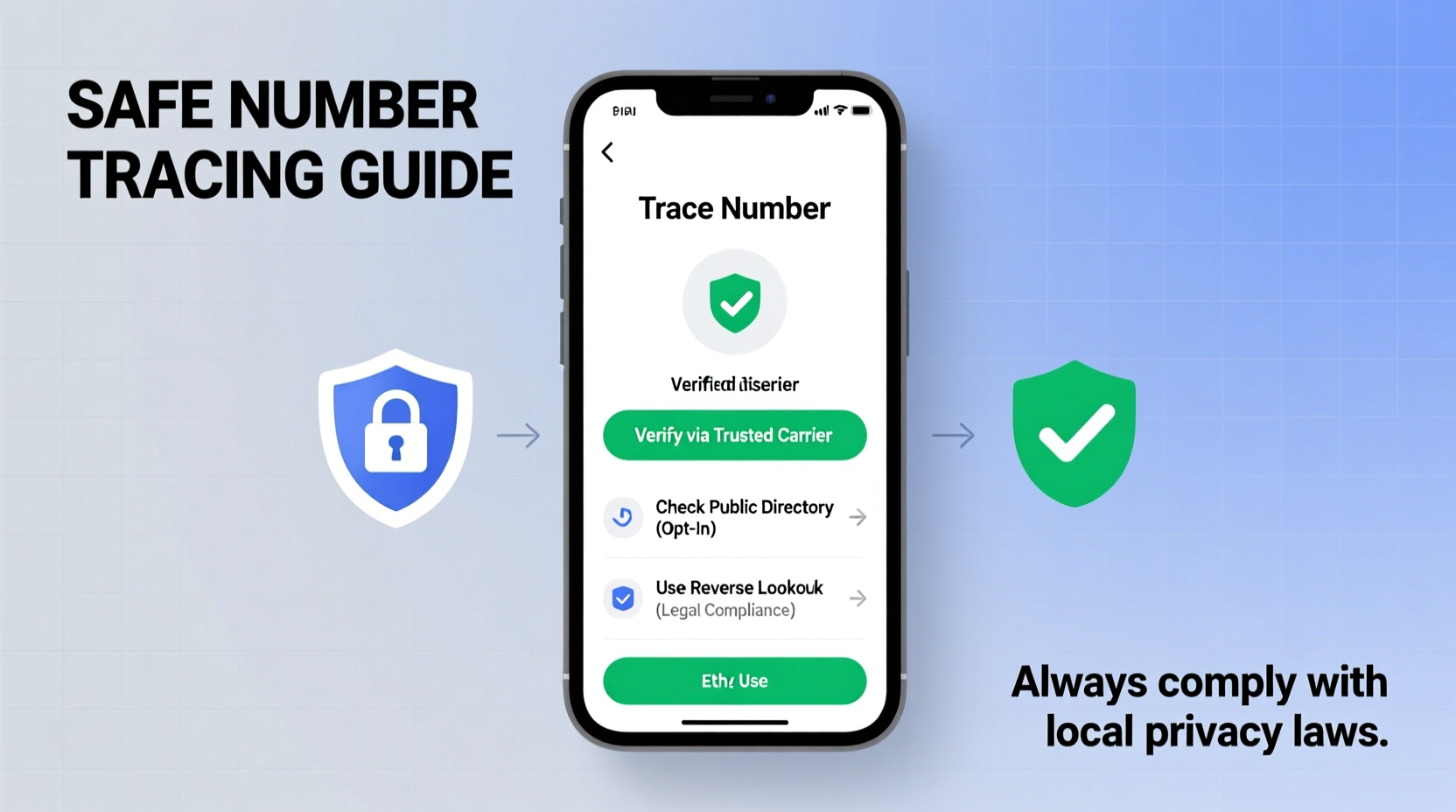
Before attempting to trace any phone number, it's essential to understand the legal landscape. In most countries, including the U.S. under the Telephone Consumer Protection Act (TCPA) and Europe under GDPR, unauthorized access to personal data—including phone records—is strictly regulated. Even if your intentions are harmless, using illicit means such as hacking, social engineering, or purchasing private databases can lead to serious consequences.
Legitimate reasons for identifying a number include:
- Verifying a business contact
- Investigating harassing or threatening calls
- Confirming delivery or service appointments
- Protecting family members from scams
If a number poses a genuine threat, involving law enforcement is not only advisable—it’s often required by law.
“While caller ID tools are widely available, consumers must remember that privacy rights extend to all individuals—even those making unwanted calls.” — Sarah Lin, Digital Privacy Advocate at the Center for Responsible Technology
Step-by-Step Guide: How to Identify a Number Safely
Follow this structured approach to investigate a mysterious number while staying within legal and ethical boundaries.
- Document the number and pattern: Record the time, frequency, and nature of calls or texts. Is it one-off or recurring? Does it leave voicemails?
- Perform a reverse phone lookup: Use reputable online services to check if the number is listed publicly.
- Search social media and public directories: Cross-reference the number on platforms like Facebook, LinkedIn, or Google.
- Analyze caller behavior: Automated messages or urgent demands often indicate scams.
- Contact your carrier for blocking and reporting: Most providers offer free spam filtering and reporting features.
- Escalate to authorities if necessary: If threats or harassment occur, file a report with the FCC or local police.
Top Tools and Services for Reverse Number Lookup
Not all reverse phone lookup tools are created equal. Some rely on outdated data, while others may harvest your information. Below is a comparison of trusted platforms based on accuracy, cost, and user privacy.
| Service | Free Option? | Paid Tier (Starting Price) | Data Sources | Privacy Policy Transparency |
|---|---|---|---|---|
| Truecaller | Yes | $1.99/month | User-contributed, public directories | High – GDPR-compliant |
| Spokeo | Limited preview | $14.95/month | Public records, social profiles | Moderate – Opt-out available |
| Whitepages | Yes | $2.99/report | Government records, telecom data | High – Clear opt-out process |
| ZabaSearch | Yes | No paid tier | Publicly available data only | High – No personal data sold |
| FakeNumberDetector.com* | Yes | N/A | AI-based spam pattern analysis | Low – Limited policy details |
*Note: Many niche sites claim instant results but may lack transparency. Always verify domain legitimacy before entering personal info.
Real Example: Tracing a Suspicious Delivery Scam
Marina, a small business owner in Austin, began receiving daily calls from a number claiming to be “FedEx Logistics.” The automated message warned her package was delayed and urged her to press 1 for support. When she called back, no legitimate FedEx representative answered.
She followed these steps:
- Used Truecaller to search the number—results showed it was flagged 237 times as “scam likely.”
- Entered the number into Google; multiple scam-reporting forums confirmed similar complaints across Texas.
- Reported the number via her carrier’s app (T-Mobile Scam Shield).
- Filed a complaint with the FTC’s reportfraud.ftc.gov.
Within days, the calls stopped. More importantly, she avoided sharing any personal or financial details. Her proactive use of free tools prevented a potential phishing attack.
Do’s and Don’ts When Investigating Unknown Numbers
To avoid falling victim to misinformation or violating privacy norms, follow this checklist:
| Do’s | Don’ts |
|---|---|
| Use reverse lookup services with transparent data policies | Pay for “instant identity reports” from unverified websites |
| Report persistent spam to your phone carrier | Call back numbers that leave robotic voicemails demanding action |
| Cross-check findings across multiple sources | Post the number publicly online seeking identification (doxxing risk) |
| Enable built-in spam protection (e.g., iPhone Silence Unknown Callers) | Share the number or personal details on social media forums |
| Contact authorities if threats involve violence or fraud | Attempt to confront or intimidate the number owner |
Frequently Asked Questions
Can I find the owner of a cell phone number for free?
Yes, but with limitations. Free tools like Truecaller, ZabaSearch, and Whitepages can provide names if the number is listed in public directories or has been reported by users. However, mobile numbers are rarely publicly registered, so success depends on whether the owner shared their number online or through a business listing.
Are reverse phone lookup sites safe to use?
Reputable sites like Whitepages and Spokeo are generally safe, but always review their privacy policies. Avoid platforms that require unnecessary personal information (e.g., SSN, bank details) or promise “100% accurate” results—these are red flags for scams.
What should I do if a number won’t stop harassing me?
First, block the number through your phone settings or carrier tools. Then, document each incident with timestamps and screenshots. File a formal complaint with the Federal Communications Commission (FCC) at consumercomplaints.fcc.gov. If threats involve harm, contact local law enforcement immediately.
Final Thoughts and Action Plan
Identifying an unknown caller doesn't require invasive tactics or expensive subscriptions. With patience and the right tools, you can gather meaningful insights legally and safely. Start with free, reputable services, verify patterns across multiple sources, and always prioritize your own digital security.
If you're dealing with persistent spam, consider upgrading your phone’s built-in protection or switching carriers that offer advanced scam filtering. Awareness is your strongest defense.




 浙公网安备
33010002000092号
浙公网安备
33010002000092号 浙B2-20120091-4
Comments
No comments yet. Why don't you start the discussion?