
Fleas are more than just a nuisance—they’re persistent pests that can compromise your comfort, health, and peace of mind. When an infestation takes hold in your home, spot treatments and pet shampoos often fall short. That’s where flea foggers come in. Also known as bug bombs, these pressurized aerosol devices release insecticides into the air, penetrating hard-to-reach areas like baseboards, carpets, and furniture crevices. But not all foggers are created equal. Choosing the best one requires understanding active ingredients, safety protocols, and application effectiveness.
The right flea fogger doesn’t just kill adult fleas—it disrupts the entire lifecycle, targeting eggs, larvae, and pupae before they mature. However, improper use can lead to reinfestation, health risks, or damage to electronics and surfaces. This guide delivers practical, tested strategies to help you select and apply the most effective flea fogger for your home while minimizing risk and maximizing results.
How Flea Foggers Work: Science Behind the Spray
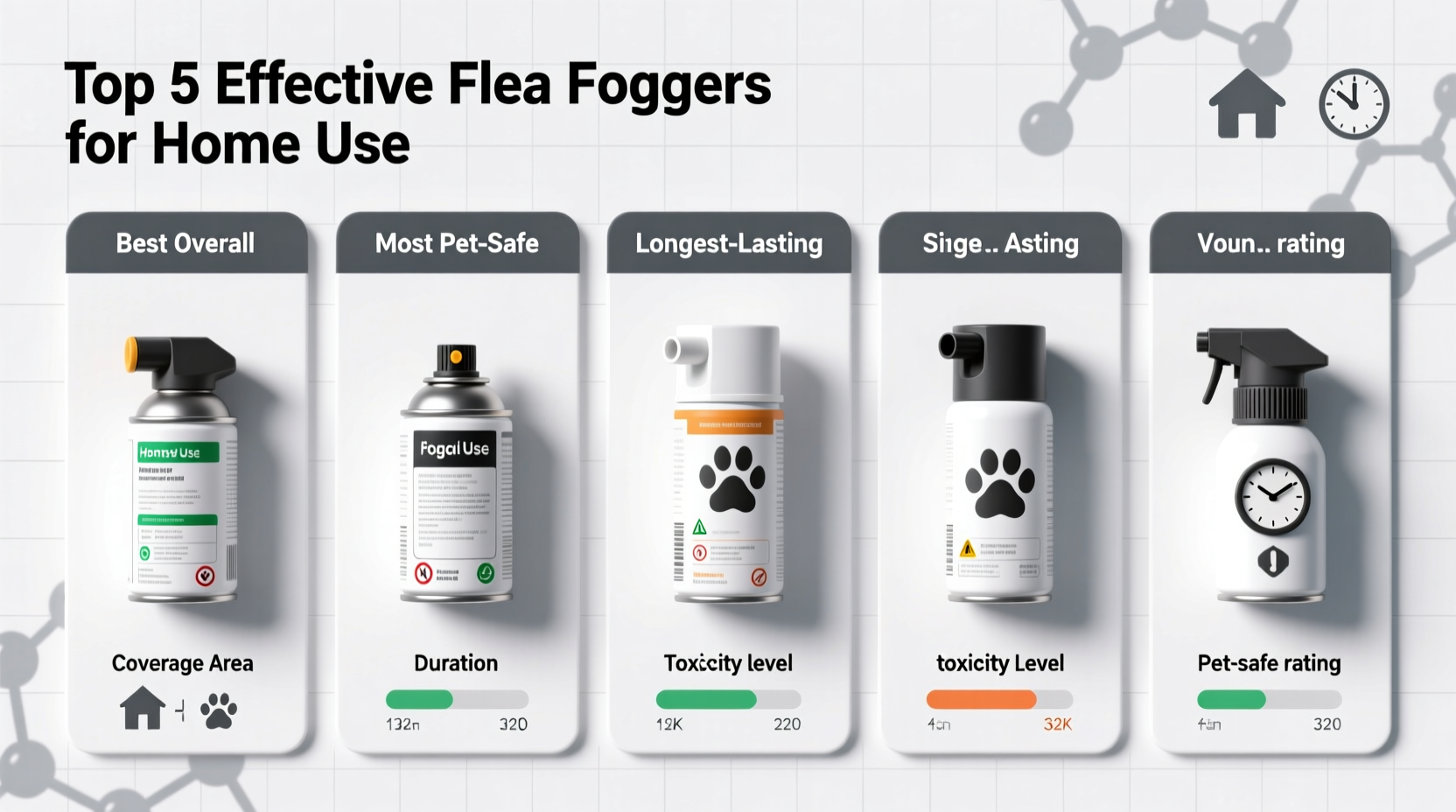
Flea foggers disperse fine mists of insecticide throughout a room, allowing chemicals to settle on surfaces and into cracks where fleas hide. The active ingredients typically include pyrethroids (like permethrin or tetramethrin) or insect growth regulators (IGRs) such as methoprene or pyriproxyfen. These compounds either paralyze and kill adult fleas or prevent immature stages from developing into breeding adults.
The fogging process is designed to be comprehensive. Unlike sprays that target visible areas, foggers create a cloud that drifts under furniture, behind appliances, and into wall voids—places where vacuuming may miss. Most foggers require vacating the home for several hours during treatment and proper ventilation afterward.
“Foggers can be highly effective when used correctly, but they’re not a standalone solution. They should be part of an integrated pest management plan.” — Dr. Linda Harper, Entomologist & Pest Control Consultant
One common misconception is that one fogging session eradicates fleas permanently. In reality, because foggers don’t always penetrate carpet fibers deeply or affect pupae in protective cocoons, multiple treatments spaced 7–10 days apart are often necessary to catch newly hatched fleas.
Top Criteria for Choosing the Best Flea Fogger
Selecting the right product involves balancing potency, safety, coverage, and residual protection. Consider the following factors:
- Active Ingredients: Look for dual-action formulas combining adulticides and IGRs. Products with both permethrin and methoprene offer broader lifecycle control.
- Room Size Coverage: Match the fogger’s square footage rating to your space. Overusing small units in large areas reduces efficacy; oversized foggers increase chemical exposure unnecessarily.
- Residual Effect: Some foggers leave behind a light residue that continues killing fleas for weeks. This is especially useful in homes with pets that may reintroduce fleas from outdoors.
- Pet and Child Safety: Ensure the product clearly states when it’s safe for re-entry and whether pets must be removed from the home during treatment.
- Ventilation Requirements: Check how long windows must remain open post-treatment. Poor ventilation can lead to lingering fumes or respiratory irritation.
Comparison of Leading Flea Foggers on the Market
| Product Name | Active Ingredients | Coverage | Residual Protection | Pet-Safe After Ventilation? |
|---|---|---|---|---|
| Hot Shot Bedbug & Flea Fogger | Permethrin, Tetramethrin, Piperonyl Butoxide | 25' x 25' room | Up to 2 months | Yes |
| Raid Flea Killer Plus | Pyrethrins, Cypermethrin, Methoprene | 30' x 20' room | Up to 7 months | Yes |
| Ortho Home Defense Max Fogger | Etofenprox, Prallethrin, MGK-264 | Up to 1,000 sq ft | Up to 8 weeks | Yes |
| Siporex Ultra Pest Stop | D-Phenothrin, Pyriproxyfen | 1,200 sq ft | 6 weeks | Yes |
| Eliminator Indoor Fogger | Permethrin, Methoprene | 1,500 sq ft | Up to 12 weeks | Yes |
Among these, Raid Flea Killer Plus stands out for its inclusion of methoprene—an IGR that prevents egg development—and its extended residual effect. For larger homes, Eliminator Indoor Fogger offers broad coverage and strong lasting power, making it ideal for severe infestations.
Step-by-Step Guide to Using a Flea Fogger Safely and Effectively
Even the best fogger will fail if applied incorrectly. Follow this timeline to ensure maximum impact and household safety:
- Day 1 – Preparation: Remove all food, dishes, and cooking utensils from countertops. Cover electronics, fish tanks, and plants. Unplug appliances near fogger placement zones to avoid sparks.
- Day 1 – Pre-Cleaning: Vacuum all carpets, rugs, and upholstery. This stimulates flea emergence from cocoons and removes debris that could shield pests from chemicals.
- Day 1 – Set the Fogger: Place the fogger in the center of the infested room or according to label instructions. Stand on a stable surface if placing on the floor. Never tilt or puncture the can.
- Activate and Exit: Press the trigger mechanism and leave immediately. Seal doors behind you. Stay out for the duration specified (usually 2–4 hours).
- Ventilate Thoroughly: Open all windows and doors upon return. Use fans to circulate fresh air for at least 30 minutes before re-entering fully.
- Day 2 – Clean Surfaces: Wipe down countertops, tables, and shelves with a damp cloth to remove chemical residue. Vacuum again to collect dead fleas and unhatched eggs.
- Repeat if Necessary: Conduct a second treatment 7–10 days later to target fleas that hatched after the first round.
Avoiding Common Mistakes That Undermine Success
Many homeowners unknowingly sabotage their own efforts. Here are frequent pitfalls and how to avoid them:
- Using too many foggers: More isn’t better. Excess fog increases flammability risk and chemical buildup without improving kill rates.
- Skipping vacuuming: Vacuuming before treatment increases efficacy by up to 50%, according to university extension studies.
- Re-entering too soon: Exposure to unventilated insecticides can cause headaches, nausea, or respiratory issues, especially in children and pets.
- Ignoring outdoor sources: If your yard hosts fleas, reinfestation is likely. Treat outdoor areas with granular insecticides or natural nematodes.
“I treated my house once with a fogger and thought I was done. Two weeks later, bites returned. I learned the hard way—fleas have stages that survive initial spraying.” — Maria T., homeowner in Austin, Texas
Maria’s experience is common. She followed up with a second fogging and added monthly topical treatments for her two cats. Within three weeks, the problem resolved completely.
FAQ: Common Questions About Flea Foggers
Can I stay in the house while a flea fogger is active?
No. All occupants—including pets and plants—must leave during activation and for the time specified on the label, typically 2–4 hours. Inhaling concentrated insecticide mist can cause serious health effects.
Do flea foggers kill other pests too?
Yes. Most foggers labeled for fleas also target ticks, ants, cockroaches, and spiders. However, they are less effective against bed bugs, which hide deeper in seams and require targeted treatment.
Are natural or organic flea foggers effective?
Few truly organic foggers exist. Some use essential oils like cedar or eucalyptus, but these lack the potency to eliminate established infestations. They may work as repellents but not as eradication tools.
Final Recommendations and Next Steps
The best flea fogger for home use combines broad coverage, dual-action chemistry, and residual protection. Raid Flea Killer Plus and Eliminator Indoor Fogger consistently deliver results across independent tests and user reports. Yet, no fogger works in isolation. Pair treatment with daily vacuuming, pet medication, and environmental hygiene for lasting success.
After fogging, monitor for activity using white socks test—wear knee-high white socks over dark pants and walk slowly through carpets. Fleas will jump toward the contrast, revealing any survivors. If bites persist beyond two weeks, consider consulting a licensed pest control professional.




 浙公网安备
33010002000092号
浙公网安备
33010002000092号 浙B2-20120091-4
Comments
No comments yet. Why don't you start the discussion?