
A stale or musty odor can make even the cleanest room feel unwelcoming. Whether it's lingering cooking smells, pet odors, or dampness from humidity, indoor air quality plays a crucial role in comfort and well-being. While many turn to synthetic sprays that mask odors with artificial fragrances, truly effective room deodorizing involves neutralizing odor at its source while enhancing the overall atmosphere. The best room deodorizers go beyond scent—they purify, absorb, and refresh using safe, sustainable methods. This guide explores practical, science-backed solutions to keep your home smelling clean and inviting.
Understanding How Odors Work
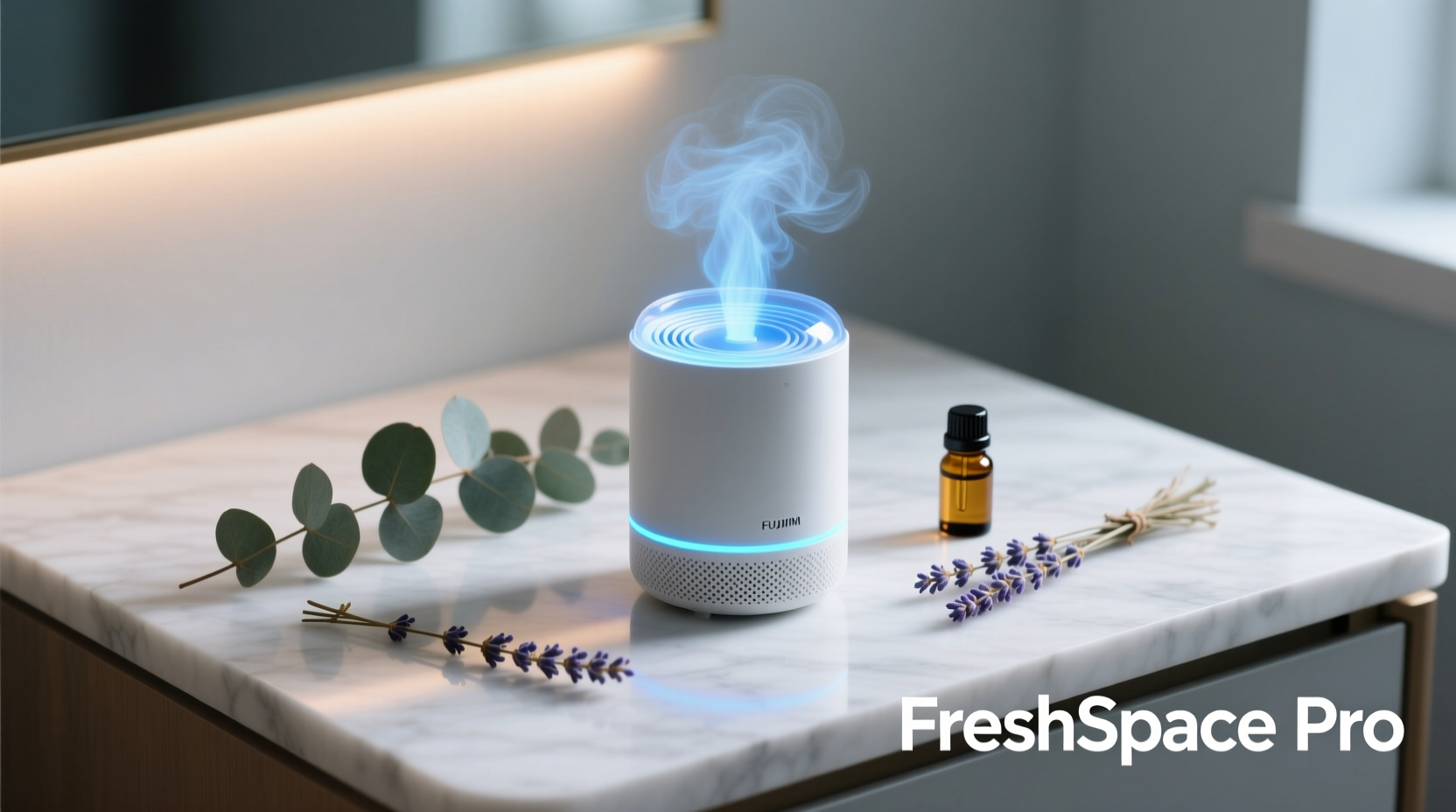
Before choosing a deodorizer, it helps to understand what causes bad smells. Odors are volatile organic compounds (VOCs) released into the air from sources like mold, food residue, sweat, pets, or tobacco smoke. Most commercial air fresheners only cover these molecules with perfume rather than eliminating them. In contrast, effective deodorizers either absorb, break down, or trap odor-causing particles.
True freshness comes from reducing moisture, increasing airflow, and using materials that chemically bind to or decompose odor molecules. This is why solutions like activated charcoal, baking soda, and certain plants outperform aerosol sprays in both safety and longevity.
Top Natural Room Deodorizing Solutions
Natural deodorizers offer long-term odor control without introducing toxins into your living environment. Here are some of the most effective options:
- Baking Soda – A classic for a reason. Baking soda absorbs acidic and basic odor molecules, making it ideal for carpets, trash cans, and closets.
- Activated Charcoal – With millions of tiny pores, it traps pollutants and odors passively. Place sachets in shoes, cabinets, or near litter boxes.
- White Vinegar – Acetic acid binds to alkaline odors (like pet urine). Use in a spray or bowl to neutralize stubborn smells.
- Citrus Peels + Essential Oils – Boil lemon, orange, or grapefruit peels with cinnamon or cloves for an instant aromatic boost.
- Houseplants – Certain plants like peace lilies, spider plants, and snake plants filter airborne toxins and improve oxygen levels.
“Odor control isn’t about overpowering scents—it’s about removing the root cause. Materials like baking soda and charcoal work at the molecular level.” — Dr. Lena Torres, Environmental Health Scientist
Choosing the Right Commercial Deodorizer
When natural remedies aren't enough, commercial products can help—but not all are created equal. Look for deodorizers labeled “non-toxic,” “VOC-free,” or “fragrance-free” if you have sensitivities. Avoid those containing phthalates, formaldehyde, or parabens, which may worsen indoor air quality.
The most effective commercial types include:
- HEPA Air Purifiers with Carbon Filters – Remove particulates and absorb gases simultaneously.
- Enzyme-Based Sprays – Break down organic matter (urine, vomit, food spills) at the source.
- Gel Deodorizers with Time-Release Technology – Slowly emit odor-neutralizing agents over weeks.
| Solution Type | Best For | Lifespan | Cost Range |
|---|---|---|---|
| Baking Soda Bowls | Kitchens, refrigerators | 1–2 months | $1–$3 |
| Activated Charcoal Bags | Closets, cars, bathrooms | 6–12 months (rechargeable) | $8–$15 |
| Essential Oil Diffusers | Living rooms, bedrooms | Continuous use | $20–$60 |
| Carbon-Filter Air Purifier | Whole-room purification | Years (filter replacement needed) | $80–$300 |
| Enzyme Cleaners | Pet accidents, spills | Single-use per application | $10–$18 |
Step-by-Step Guide to Freshen Any Room
Follow this proven process to eliminate odors and maintain lasting freshness:
- Identify the Source – Check under furniture, behind appliances, inside vents, or in laundry hampers where odors often accumulate.
- Deep Clean Surfaces – Wash floors, wipe walls, and vacuum upholstery. Use enzyme cleaner on organic stains.
- Increase Air Circulation – Open windows, run ceiling fans, or place portable fans near exits to push stale air out.
- Deploy Absorbent Materials – Place bowls of baking soda, vinegar, or activated charcoal in corners for 24–48 hours.
- Add Long-Term Deodorizers – Install an air purifier, hang charcoal bags, or use a diffuser with antibacterial oils like tea tree or eucalyptus.
Real Example: Eliminating Basement Mustiness
Mark, a homeowner in Portland, struggled with persistent mildew smell in his basement despite regular cleaning. He first tried scented candles and plug-in fresheners, but the odor returned within hours. After consulting an indoor air quality specialist, he implemented a multi-step solution: he sealed foundation cracks, installed a dehumidifier, placed three large activated charcoal towers in storage areas, and added a HEPA air purifier with a carbon filter. Within two weeks, the musty smell disappeared. Even family members with asthma noticed improved breathing. His success came not from masking the odor, but from addressing moisture—the root cause.
Common Mistakes That Worsen Indoor Odors
- Overusing synthetic sprays – These can react with indoor ozone to form harmful byproducts like formaldehyde.
- Ignoring ventilation – Closed environments trap moisture and concentrate pollutants.
- Using damp towels or sponges repeatedly – These breed bacteria that emit foul odors.
- Placing air fresheners near heat sources – Heat increases VOC emissions from both the product and surrounding materials.
FAQ
Can I leave vinegar in a room overnight to remove odors?
Yes. Placing a bowl of white vinegar in a room overnight safely absorbs strong odors like smoke or paint fumes. The vinegar smell dissipates quickly once removed.
Are essential oils safe for pets?
Some essential oils (especially tea tree, eucalyptus, and citrus) can be toxic to cats and dogs when diffused. Always research pet-safe oils and use diffusers in well-ventilated, pet-free zones if necessary.
How often should I replace my air purifier filter?
Most manufacturers recommend replacing carbon and HEPA filters every 6–12 months, depending on usage and air quality. Check your unit’s manual for specifics.
Final Checklist for a Fresh-Smelling Home
- Weekly
-
✔ Vacuum carpets and upholstery
✔ Wash kitchen rags and sponges
✔ Empty trash bins with disinfectant - Monthly
-
✔ Clean air vents and change HVAC filters
✔ Refresh baking soda or charcoal deodorizers
✔ Dust blinds and ceiling fans - As Needed
-
✔ Treat spills immediately with enzyme cleaner
✔ Recharge or replace natural deodorizing materials
✔ Run exhaust fans during and after showers
Conclusion
Finding the best room deodorizer isn’t about picking the strongest scent—it’s about creating a healthier, more pleasant indoor environment through smart, sustainable choices. From simple household staples like baking soda and vinegar to advanced air purifiers and rechargeable charcoal bags, effective solutions are accessible and affordable. By understanding the science of odors and avoiding common pitfalls, you can maintain consistently fresh air in every room. Start small: open a window, place a bowl of citrus-infused vinegar, or invest in one high-quality carbon filter. Your nose—and your health—will thank you.




 浙公网安备
33010002000092号
浙公网安备
33010002000092号 浙B2-20120091-4
Comments
No comments yet. Why don't you start the discussion?