
Promoting an event successfully isn’t just about spreading the word—it’s about creating momentum, building anticipation, and connecting with the right audience at the right time. Whether you're organizing a community workshop, a product launch, or a large-scale conference, the effectiveness of your advertising directly influences turnout and overall success. The most impactful events don’t rely on last-minute efforts; they leverage strategic planning, targeted outreach, and consistent messaging across multiple channels. This guide outlines actionable methods to amplify visibility, drive registrations, and ensure your event leaves a lasting impression.
Define Your Audience and Craft a Compelling Message
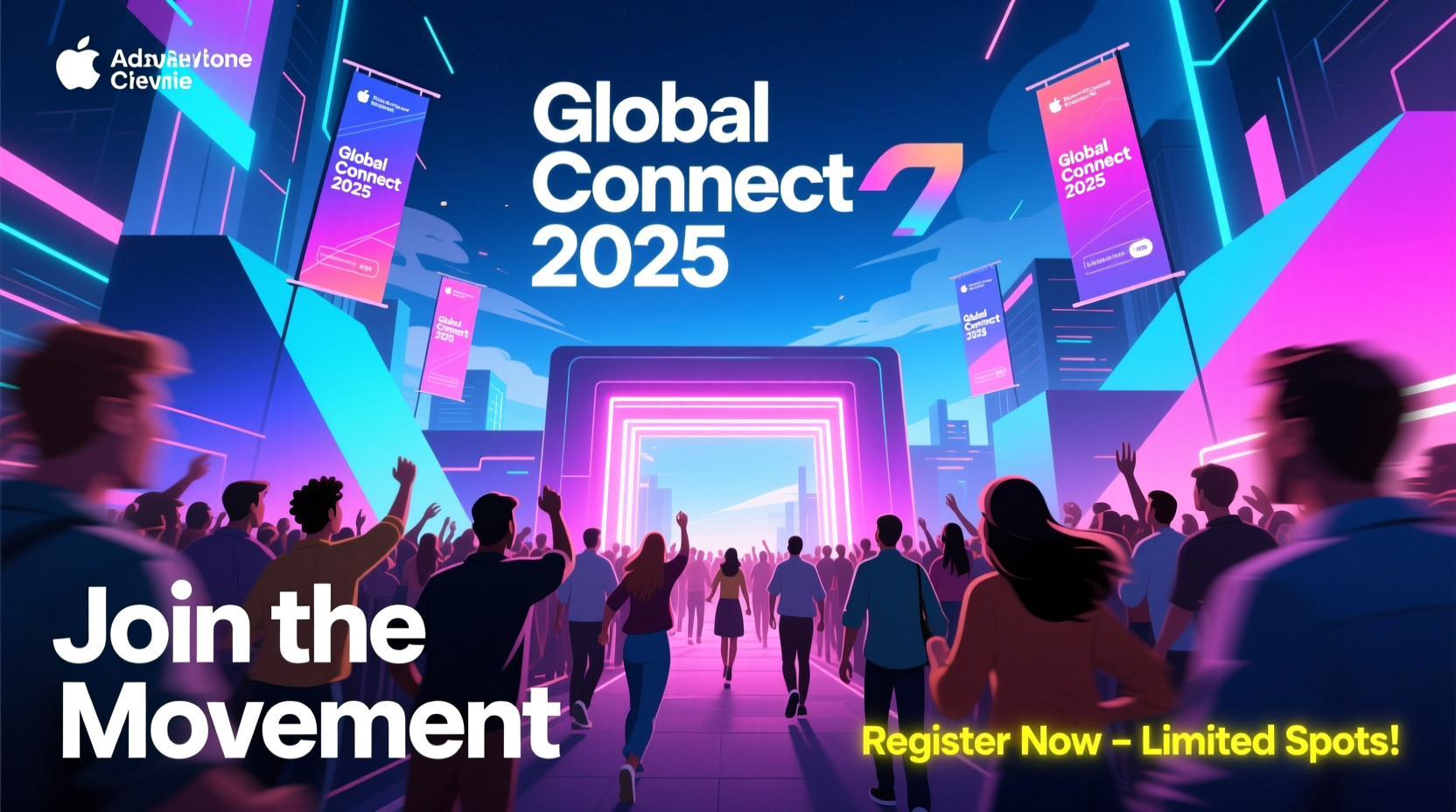
The foundation of any successful event promotion is clarity. Who exactly are you trying to reach? A tech startup networking night will require a vastly different approach than a wellness retreat for mid-career professionals. Begin by identifying your ideal attendee: their age, profession, interests, online behavior, and pain points. With this profile in place, tailor your messaging to speak directly to them.
A compelling value proposition answers the question: “Why should someone attend?” It’s not enough to say, “Join us for an evening of discussion.” Instead, emphasize outcomes: “Leave with three actionable strategies to grow your freelance business in 90 days.” Specificity builds credibility and desire.
Leverage Multi-Channel Promotion Strategically
Reaching people where they already spend time increases conversion rates. A multi-channel approach ensures broader exposure while allowing you to test which platforms deliver the best ROI. Consider these core channels:
- Email marketing: Send personalized invitations to segmented lists. Include clear calls-to-action and early-bird incentives.
- Social media: Use LinkedIn for professional events, Instagram for visual or lifestyle gatherings, and Facebook Events for community-based activities.
- Website & landing pages: Create a dedicated event page with registration forms, speaker bios, agendas, and testimonials from past events.
- Partnerships: Collaborate with influencers, sponsors, or complementary businesses to tap into established audiences.
- Offline tactics: Flyers, posters, local radio, or community boards still work well for hyper-local events.
“People don’t buy events—they buy transformation. Your advertising must reflect the change your event enables.” — Marcus Tran, Event Marketing Consultant
Optimize Timing and Build Anticipation
Even the best-planned event can fail if promoted too late—or too early. Launch your campaign based on event scale:
| Event Type | Recommended Campaign Start | Key Milestones |
|---|---|---|
| Local Workshop (50–100 people) | 4–6 weeks prior | Announce → Early-bird ends → Final reminder |
| Regional Conference (200+) | 8–12 weeks prior | Speaker reveal → Agenda drop → Registration peak |
| National Summit or Festival | 4–6 months prior | Teaser campaign → Sponsor announcements → Ticket tiers |
Use countdowns, teaser videos, and behind-the-scenes content to build excitement. Share speaker quotes, venue sneak peeks, or exclusive bonuses for early registrants. Consistent communication keeps your event top-of-mind without overwhelming your audience.
Step-by-Step Guide: 8-Week Pre-Event Promotion Timeline
- Week 8: Finalize event details and launch private invite list.
- Week 7: Publish event page and begin social media teasers.
- Week 6: Open public registration with early-bird pricing.
- Week 5: Partner with 2–3 influencers or co-hosts to share the event.
- Week 4: Release full agenda and speaker lineup.
- Week 3: Run targeted ads on social platforms and email non-registrants.
- Week 2: Send reminder emails and boost engagement with polls or Q&A previews.
- Week 1: Activate final push with urgency: “Only 20 spots left!”
Utilize Social Proof and FOMO Psychology
Word-of-mouth remains one of the most powerful drivers of attendance. Encourage early registrants to share their participation on social media by offering referral incentives—such as discounted tickets for bringing a friend or entry into a prize draw.
Display real-time registration counters or public attendee lists (with permission) to create social proof. When people see others like them signing up, hesitation decreases. Similarly, limited seating or exclusive access creates fear of missing out (FOMO), prompting faster decisions.
Mini Case Study: How a Local Book Fair Doubled Attendance
A small independent bookstore in Portland struggled with low turnout at its annual summer book fair. In the past, promotions relied solely on in-store flyers and a single Facebook post. For the next edition, the team redesigned their strategy.
They identified their core audience: parents, educators, and local authors. They partnered with two parenting bloggers and a children’s literacy nonprofit to co-promote the event. Two weeks before opening, they launched a “Book Bucket List” challenge on Instagram, encouraging followers to tag friends who loved reading. Each tag entered participants into a giveaway for a $100 bookstore gift card.
The campaign generated over 1,200 tags, tripled website traffic, and led to a full venue capacity on opening day—double the previous year’s attendance. Post-event surveys showed that 68% of attendees heard about it through social media shares, not direct advertising.
Essential Pre-Event Checklist
Staying organized ensures no critical step is missed. Use this checklist to track progress:
- ✅ Define target audience and key messaging
- ✅ Secure venue, date, and speakers/sponsors
- ✅ Build a dedicated event landing page with registration
- ✅ Set up email automation for confirmations and reminders
- ✅ Schedule social media posts across platforms
- ✅ Identify and contact partners or influencers
- ✅ Design promotional assets (graphics, videos, press kit)
- ✅ Launch paid ads with clear targeting and budget caps
- ✅ Monitor RSVP trends and adjust outreach accordingly
- ✅ Send final logistics email 48 hours before the event
Frequently Asked Questions
How far in advance should I start advertising my event?
For small events, begin 4–6 weeks ahead. Larger events benefit from 2–6 months of lead time, especially if they require travel or significant scheduling commitments from attendees.
What’s the most cost-effective way to promote an event?
Leveraging existing networks through email lists, social sharing, and partnerships is typically the most affordable. Organic social media, combined with strong word-of-mouth incentives, often delivers high returns without ad spend.
Should I use paid ads for event promotion?
Yes, when used strategically. Targeted ads on Facebook, Instagram, or LinkedIn can reach niche audiences quickly. Focus on lookalike audiences or interest-based targeting, and always track conversions to measure performance.
Maximize Impact Beyond the Big Day
Attendance is only part of the equation. True impact comes from sustained engagement. After the event, follow up with attendees via email—thank them, share photos or recordings, and request feedback. Highlight key takeaways and announce future opportunities. This extends the life of your event and strengthens relationships for future initiatives.
Consider repurposing content: turn panel discussions into blog posts, create quote graphics from speaker insights, or compile attendee testimonials for next year’s campaign. Every interaction is a chance to reinforce value and build loyalty.
Conclusion: Turn Promotions Into Participation
Advertising an event isn’t just about filling seats—it’s about creating meaningful connections and delivering transformative experiences. By understanding your audience, using the right channels at the right time, and applying psychological triggers like urgency and social proof, you can dramatically increase both visibility and attendance.




 浙公网安备
33010002000092号
浙公网安备
33010002000092号 浙B2-20120091-4
Comments
No comments yet. Why don't you start the discussion?