
Ear infections can turn a peaceful night into a cycle of discomfort and wakefulness. The pressure, pain, and sensitivity that accompany middle or outer ear infections often intensify when lying down, making it difficult to fall asleep or stay asleep. For adults and children alike, disrupted sleep not only worsens fatigue but can also slow recovery. The good news is that targeted adjustments to sleep position, environment, and habits can significantly reduce symptoms and promote deeper, more restorative rest—even during an active infection.
Why Ear Infections Disrupt Sleep
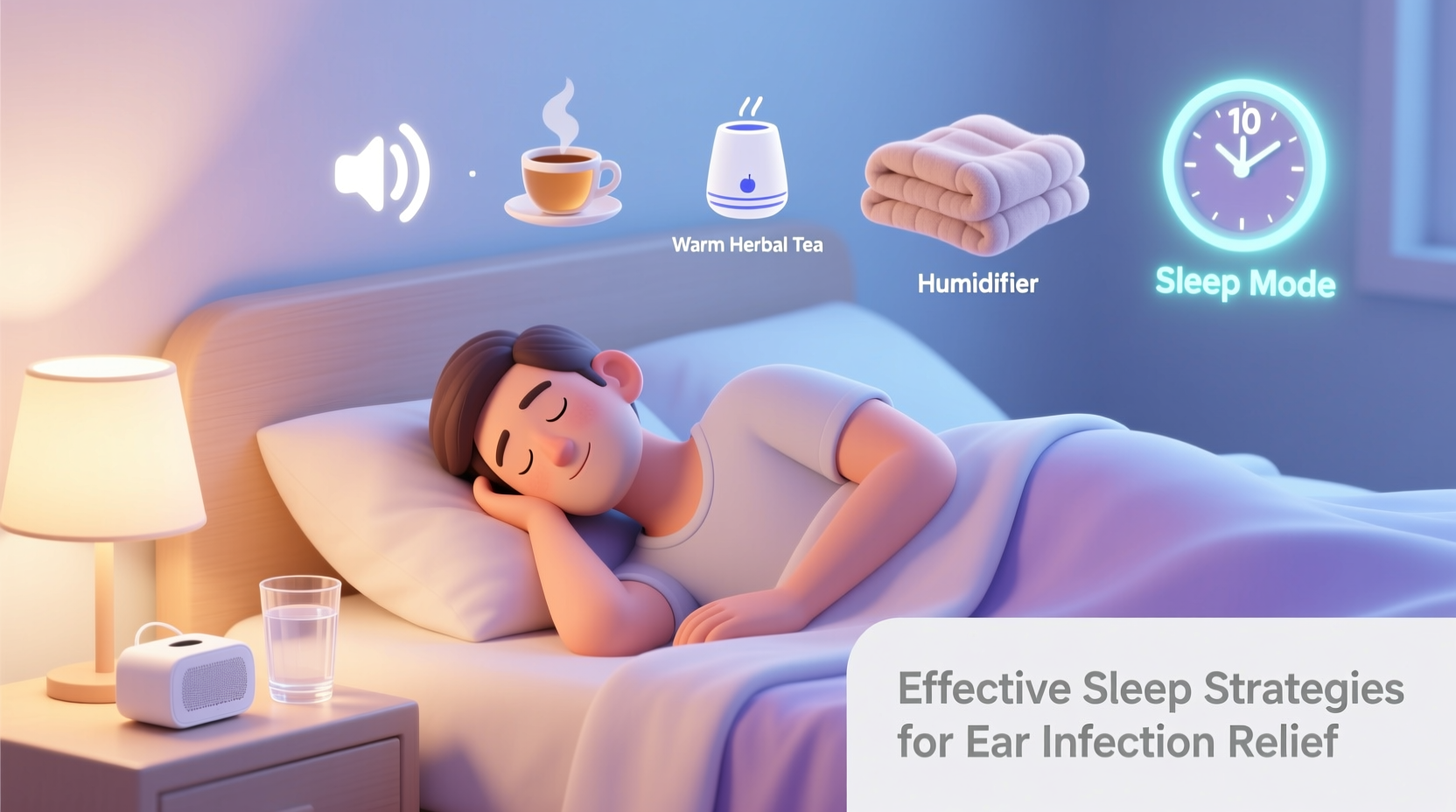
When an ear infection develops, inflammation and fluid buildup in the middle ear increase internal pressure. Lying flat allows gravity to push this fluid against sensitive eardrum tissues, heightening pain. Additionally, nighttime silence amplifies awareness of internal sensations like ringing or fullness, making it harder to relax. Children may tug at their ears or cry during the night, while adults often report throbbing pain that worsens in the dark hours.
The body’s natural circadian rhythm also plays a role. Immune activity increases at night, which can temporarily intensify inflammation and discomfort as the body fights the infection. This biological response, while beneficial for healing, often comes at the cost of sleep quality.
Optimal Sleep Positions to Reduce Ear Pressure
Your sleeping posture directly affects how much pressure builds in the infected ear. Certain positions can minimize discomfort by encouraging drainage and reducing strain on the eardrum.
- Sleep on the unaffected side — Keeping the infected ear facing upward reduces direct pressure and allows better air circulation.
- Use an extra pillow to elevate your head — A 30- to 45-degree incline helps drain fluid from the Eustachian tube and lessens congestion.
- Avoid lying flat on your back without support — This position encourages fluid retention and can worsen snoring or nasal congestion, indirectly affecting ear pressure.
- For children, use a reclined car seat or inclined crib wedge (if safe) — Always follow pediatric guidelines; never add loose pillows to a baby’s sleep area due to suffocation risks.
In cases of bilateral ear infections (both ears affected), sleeping semi-upright using a recliner or stacked pillows may offer the most relief.
Step-by-Step: Creating a Soothing Pre-Bed Routine
Establishing a calming routine signals the nervous system to wind down and can distract from persistent ear discomfort. Follow this sequence to prepare both mind and body for rest:
- Take prescribed or recommended pain relief 30–60 minutes before bed — Medications like ibuprofen or acetaminophen reduce inflammation and pain, improving sleep onset.
- Apply a warm compress to the affected ear — Use a clean cloth soaked in warm (not hot) water for 10–15 minutes. This soothes nerve endings and promotes circulation.
- Use over-the-counter ear drops if approved by your doctor — Some numbing drops contain ingredients like benzocaine to temporarily relieve pain.
- Dim lights and limit screen exposure — Blue light suppresses melatonin. Opt for soft lighting and quiet activities like reading or listening to calm music.
- Practice gentle breathing or mindfulness exercises — Focused breathing can reduce the perception of pain and ease anxiety about discomfort.
“Pain management before bedtime is critical. Addressing discomfort proactively prevents midnight awakenings and supports immune recovery.” — Dr. Lena Patel, Otolaryngologist
Environmental Adjustments for Better Sleep
Your bedroom environment can either aggravate or alleviate ear infection symptoms. Small changes can make a significant difference in comfort and sleep continuity.
| Factor | Do | Avoid |
|---|---|---|
| Humidity | Use a cool-mist humidifier to keep air moist and reduce ear/nasal dryness | Dry air, which can thicken mucus and worsen Eustachian tube blockage |
| Noise | Play white noise or soft ambient sounds to mask tinnitus or internal ear noises | Silence, which heightens focus on ear sensations |
| Temperature | Maintain a cool room (65–68°F) with breathable bedding | Overheating, which can increase inflammation |
| Allergens | Clean bedding weekly and vacuum regularly to reduce irritants | Dust, pet dander, or mold, which can worsen congestion |
Real Example: Helping a Child Sleep Through an Ear Infection
Six-year-old Maya developed a middle ear infection after a week of cold symptoms. Her parents noticed she was restless at night, frequently waking up crying and holding her right ear. After consulting their pediatrician, they implemented several changes:
- They elevated the head of her mattress slightly using safe bed risers.
- Administered children’s ibuprofen 45 minutes before bedtime, following dosage guidelines.
- Played a continuous playlist of ocean waves using a white noise machine across the room.
- Used a cool-mist humidifier and switched to hypoallergenic cotton sheets.
Within two nights, Maya’s sleep improved significantly. She fell asleep faster and experienced fewer interruptions. Her parents noted that combining medical care with environmental adjustments made a tangible difference in her comfort and recovery speed.
Checklist: Nightly Routine for Ear Infection Comfort
Use this checklist each evening to optimize sleep during an ear infection:
- ☑ Take pain reliever or anti-inflammatory medication (as directed)
- ☑ Apply a warm compress for 10–15 minutes
- ☑ Elevate head with extra pillows or an adjustable bed
- ☑ Run a humidifier in the bedroom 30 minutes before bed
- ☑ Use white noise or calming audio to mask internal ear sounds
- ☑ Avoid caffeine and heavy meals within 3 hours of bedtime
- ☑ Practice deep breathing or progressive muscle relaxation
Frequently Asked Questions
Can I use a heating pad on my ear while sleeping?
No—applying a heating pad unattended during sleep poses a burn risk and may increase inflammation. Use a warm compress briefly before bed instead, and remove it before falling asleep.
Will sleeping upright cure my ear infection faster?
While elevation won’t cure the infection, it supports natural drainage and reduces painful pressure, creating better conditions for healing. Combined with proper medical treatment, it can accelerate symptom relief.
Are there any natural remedies that help with ear infection sleep?
Some people find relief with garlic oil drops (if the eardrum is intact) or gentle lavender aromatherapy to promote relaxation. However, always consult a healthcare provider before trying home remedies, especially for children.
Conclusion: Prioritize Rest to Support Recovery
Sleep is not just a comfort—it’s a vital part of healing. When fighting an ear infection, every effort to improve rest quality contributes to a stronger immune response and faster recovery. By adjusting your sleep position, managing pain proactively, and optimizing your bedroom environment, you can transform a painful night into a more restful experience. These strategies are practical, science-backed, and accessible to most households.




 浙公网安备
33010002000092号
浙公网安备
33010002000092号 浙B2-20120091-4
Comments
No comments yet. Why don't you start the discussion?