
Muscle shaking during exercise is a common experience—whether you're holding a plank for 30 seconds longer than usual, grinding through the last few reps of a heavy squat set, or powering up a steep hill on your bike. Your arms tremble, your legs quiver, and your core wobbles. While it can feel alarming, muscle shaking isn't always a red flag. In fact, in most cases, it's a natural response to intense effort. But how do you know if that shake is due to temporary fatigue or something more concerning like underlying muscle weakness?
Understanding the distinction between fatigue-induced tremors and weakness-related instability is crucial for training safely and effectively. This article breaks down the science behind muscle shaking, explores the physiological mechanisms at play, and helps you differentiate between normal exertion signals and signs that warrant attention.
What Causes Muscles to Shake During Exercise?
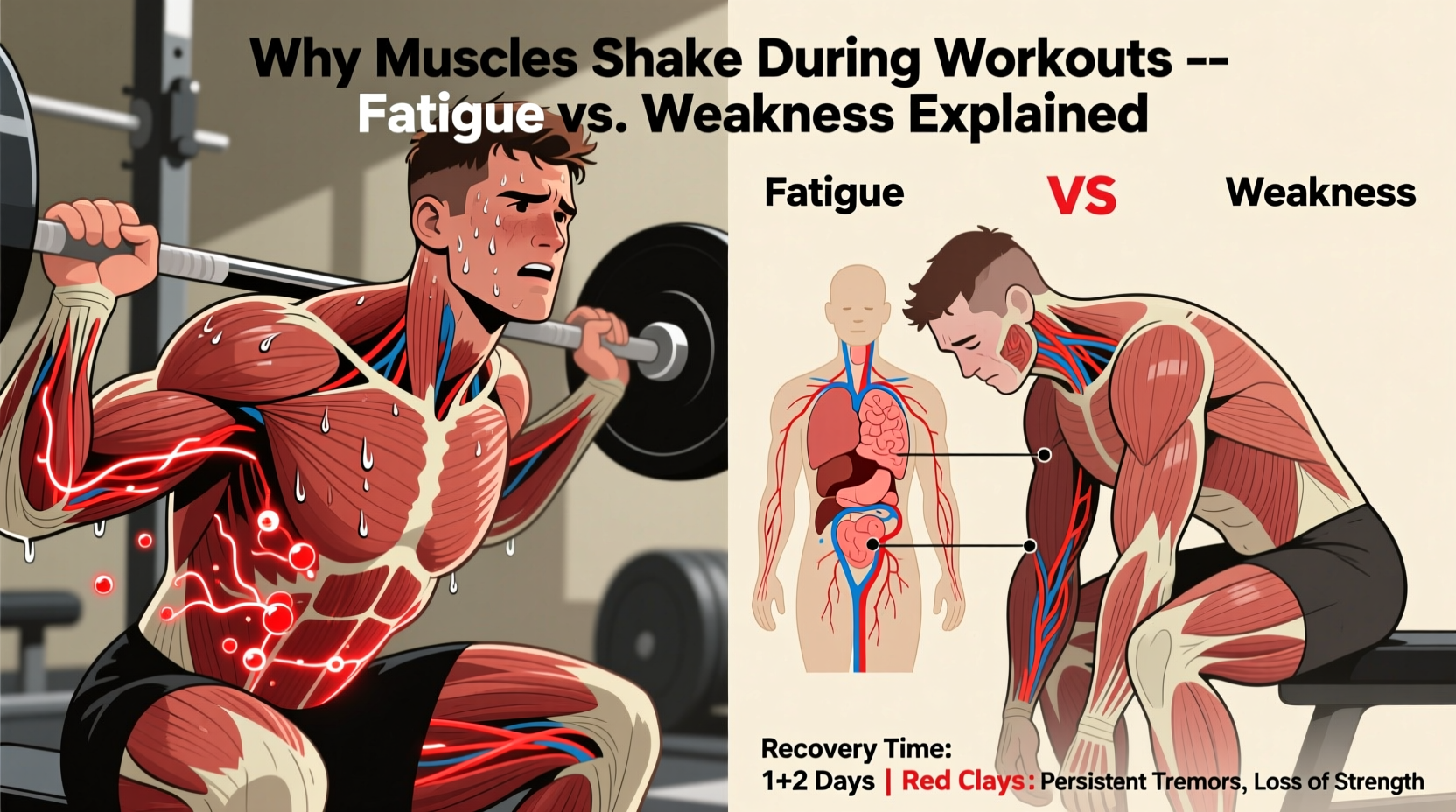
Muscle shaking, also known as exercise-induced tremor, occurs when motor units—the nerve-muscle connections responsible for movement—fire erratically or inconsistently. During high-intensity or prolonged activity, your nervous system struggles to maintain smooth, coordinated contractions. This results in visible trembling.
The primary drivers include:
- Neuromuscular fatigue: As muscles tire, the signals from your brain become less precise. Motor neurons fire irregularly, leading to uncoordinated muscle fiber recruitment.
- Electrolyte imbalance: Depletion of sodium, potassium, magnesium, or calcium disrupts nerve signaling and muscle contraction.
- Low blood glucose: Muscles rely on glycogen and circulating glucose for energy. When levels drop, neuromuscular control diminishes.
- High-force demand: Exercises requiring maximal or near-maximal effort (e.g., heavy lifting, long planks) push motor units to their limits, increasing tremor likelihood.
- Core stabilization challenges: Isometric holds like planks or wall sits often cause shaking because stabilizing muscles are working continuously without rest.
This type of shaking is typically symmetrical, short-lived, and resolves quickly with rest. It’s especially common among beginners or those pushing past previous limits.
Fatigue vs. Weakness: Key Differences
While both fatigue and weakness can impair performance, they stem from different causes and have distinct implications for training and health.
| Factor | Fatigue | Weakness |
|---|---|---|
| Definition | Temporary reduction in force output due to exertion; reversible with rest. | Reduced ability to generate force even at baseline; may persist without exertion. |
| Cause | Lactic acid buildup, glycogen depletion, CNS overload. | Neurological issues, disuse atrophy, injury, disease. |
| Onset | During or immediately after intense effort. | Persistent, present even at rest or light activity. |
| Recovery | Minutes to hours after rest, hydration, nutrition. | May require medical evaluation, rehab, or therapy. |
| Muscle Appearance | Normal size and tone; shakes under load. | Potential atrophy, poor activation, asymmetry. |
| Example | Legs shake during a 2-minute wall sit but function normally afterward. | One leg consistently gives out climbing stairs, even when fresh. |
Fatigue is a normal part of adaptation. It indicates that your muscles and nervous system are being challenged—key to building strength and endurance. Weakness, however, suggests a breakdown in the neuromuscular system itself, which may not resolve with simple recovery.
“Tremors from fatigue are like engine sputtering at high RPM—they’re expected under stress. True weakness is like a misfiring cylinder: it won’t perform even at idle.” — Dr. Lena Torres, Sports Neurologist
When Is Muscle Shaking Normal?
Shaking is generally harmless when it meets the following criteria:
- Occurs only during or immediately after strenuous exercise.
- Affects both sides of the body equally (e.g., both arms during a plank).
- Resolves within minutes of stopping the activity.
- Improves over time as fitness increases.
- No pain, numbness, or loss of coordination accompanies it.
For example, someone new to yoga might notice their arms shaking in Chaturanga. Over weeks of practice, the tremor diminishes as neuromuscular efficiency improves. This is a textbook case of fatigue-driven shaking that resolves with adaptation.
Endurance athletes often report leg tremors during long-distance runs or cycling events. This is frequently due to glycogen depletion and electrolyte shifts. Consuming carbohydrates and staying hydrated during prolonged efforts can reduce the severity.
Mini Case Study: The First-Time Powerlifter
Jamal, a 28-year-old beginner lifter, began a strength program focused on compound lifts. During his third set of barbell back squats at 75% of his max, his quads started shaking violently at the bottom of the movement. He completed the rep but felt unstable.
He was concerned—was this a sign of weak legs or poor form? His coach reviewed the session and noted that Jamal had trained intensely for two consecutive days, slept poorly, and hadn’t eaten enough carbs pre-workout. The shaking subsided after a full day of rest and proper nutrition. By week six, the same weight no longer caused tremors.
This case illustrates classic fatigue: transient, multifactorial, and responsive to recovery.
When Should You Be Concerned About Muscle Shaking?
Not all shaking is benign. Warning signs suggest possible neurological or muscular pathology and warrant professional evaluation.
Red Flags to Watch For:
- Asymmetrical shaking: One limb trembles while the other remains stable.
- Shaking at rest: Tremors occur when sitting or standing quietly, not just during exertion.
- Accompanying symptoms: Numbness, tingling, dizziness, blurred vision, or slurred speech.
- Persistent weakness: Difficulty performing daily tasks like opening jars or climbing stairs.
- Sudden onset: No recent increase in training intensity or volume to explain the tremor.
Conditions such as essential tremor, peripheral neuropathy, multiple sclerosis, or cervical spine issues can manifest as exercise-related shaking. If tremors appear unrelated to effort level or worsen over time despite improved fitness, consult a healthcare provider.
How to Reduce Workout-Induced Muscle Shaking
If fatigue-related tremors are affecting your performance or confidence, several strategies can help improve neuromuscular control and delay the onset of shaking.
Step-by-Step Guide to Minimizing Shaking
- Warm Up Properly: Begin with dynamic stretches and light versions of the exercise to activate motor units gradually.
- Improve Fueling: Consume a balanced meal with complex carbs and protein 1–2 hours before training. Stay hydrated throughout the day.
- Manage Training Volume: Avoid stacking too many high-intensity sets back-to-back. Allow adequate rest between challenging exercises.
- Focus on Technique: Poor form increases neural inefficiency. Prioritize control over load, especially in stabilizing muscles.
- Build Endurance Gradually: Increase hold times or rep ranges slowly. For example, add 10 seconds per week to your plank duration.
- Supplement Smartly (if needed): Consider electrolyte support during long sessions, especially in hot environments.
- Optimize Recovery: Ensure 7–9 hours of sleep and incorporate active recovery days to prevent cumulative fatigue.
Over time, your central nervous system becomes more efficient at recruiting motor units smoothly, reducing erratic firing and minimizing tremors.
FAQ: Common Questions About Muscle Shaking
Is it bad if my arms shake during a plank?
Not necessarily. Planks place continuous demand on core and shoulder stabilizers. Shaking often starts once muscles reach metabolic fatigue. As long as the tremor stops after resting and doesn’t affect one side more than the other, it’s likely normal. Strengthening your core progressively will reduce the frequency.
Can dehydration cause muscle shaking?
Yes. Dehydration impairs electrolyte balance and nerve conduction, increasing the likelihood of tremors. Even mild dehydration (2% body weight loss) can reduce neuromuscular performance. Drink water consistently throughout the day, not just during workouts.
Does shaking mean I’m building muscle?
Shaking itself doesn’t directly cause muscle growth, but it often occurs during the types of efforts that do—like high-tension, metabolically demanding sets. It’s an indicator that your muscles are under significant stress, which, when followed by recovery, can stimulate hypertrophy. However, chronic shaking due to poor recovery may hinder progress.
Checklist: Assessing Your Muscle Shaking
Use this checklist to determine whether your shaking is likely fatigue-related or potentially concerning:
- ✅ Occurs only during intense exercise
- ✅ Affects both sides equally
- ✅ Resolves within minutes of rest
- ✅ Improves with better sleep, hydration, and nutrition
- ✅ No pain, numbness, or coordination issues
- ✅ Happens more when pushing past limits (expected)
- ❌ Shakes one side more than the other
- ❌ Present during everyday activities
- ❌ Worsens without changes in training
- ❌ Accompanied by other neurological symptoms
If most checked items are positive (✅), your shaking is likely benign. If red flags (❌) are present, seek medical advice.
Conclusion: Listen to Your Body, Train Smarter
Muscle shaking during workouts is usually a sign that you’re challenging your limits—not a signal to stop, but to reflect. Fatigue-driven tremors are part of the growth process, indicating that your neuromuscular system is adapting. With proper recovery, technique, and progressive overload, these shakes will diminish as your strength and endurance improve.
But never ignore persistent or asymmetrical shaking. Distinguishing between fatigue and true weakness isn’t just about performance—it’s about long-term health. Train hard, yes, but train wisely. Pay attention to your body’s feedback, fuel it well, and respect the difference between discomfort that builds resilience and symptoms that need care.




 浙公网安备
33010002000092号
浙公网安备
33010002000092号 浙B2-20120091-4
Comments
No comments yet. Why don't you start the discussion?