
Cellulite affects up to 90% of women at some point in their lives, particularly on the thighs and buttocks. Despite being a normal physiological occurrence, many seek ways to minimize its appearance for smoother, firmer skin. While no method completely eliminates cellulite permanently, a combination of lifestyle adjustments, targeted movement, and skincare can significantly improve skin texture. The key lies in addressing the underlying causes: fat distribution, connective tissue structure, circulation, and fluid retention.
This guide outlines proven, sustainable approaches that work with your body—not against it—to achieve visible improvements over time. These strategies are rooted in dermatological research, fitness expertise, and real-world results.
Understanding Cellulite Formation
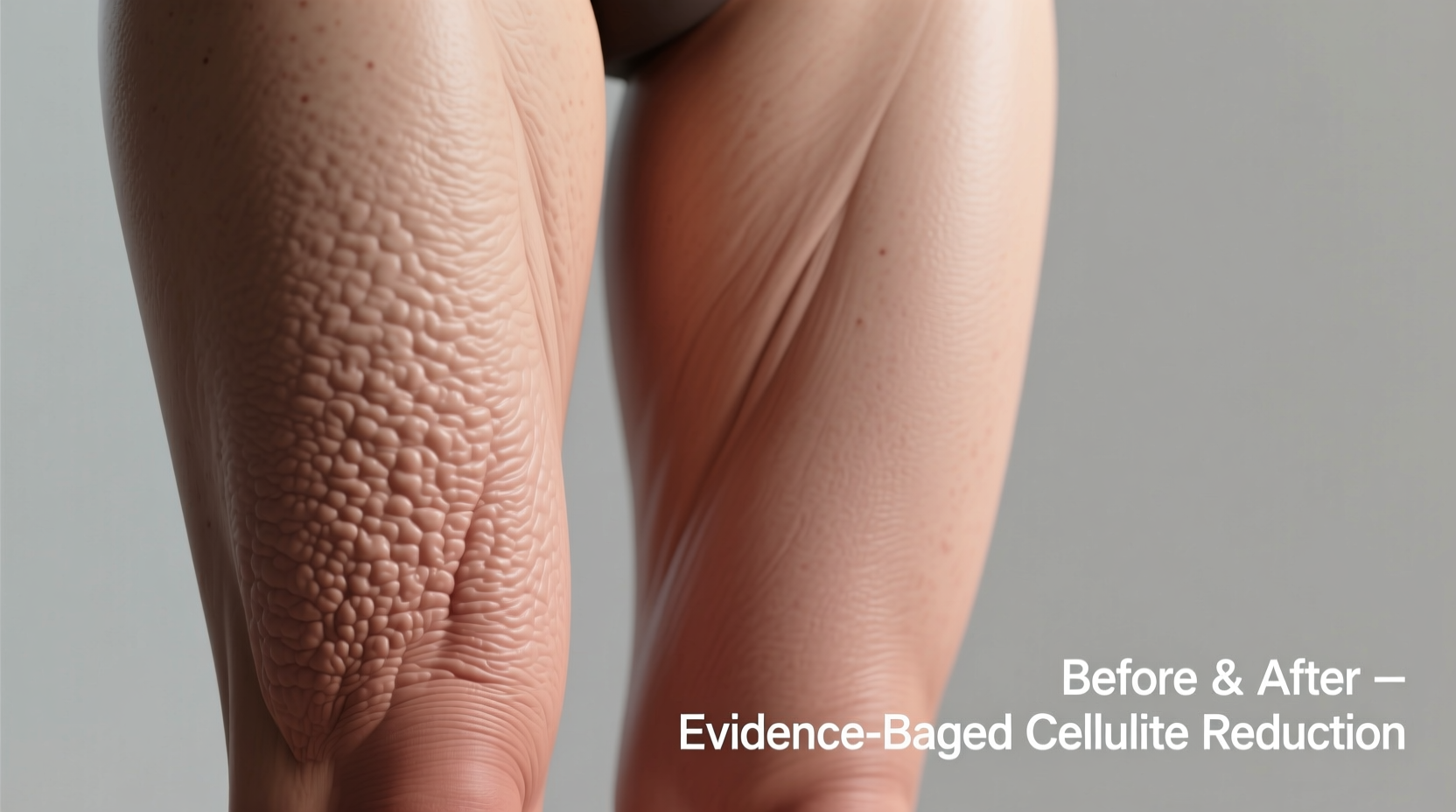
Cellulite occurs when fat cells beneath the skin push through weakened connective tissue, creating a dimpled or \"orange peel\" texture. Hormonal factors—especially estrogen—play a major role, which is why cellulite is more common in women. Genetics, age, weight fluctuations, and poor circulation also contribute.
It’s important to note that cellulite is not a sign of poor health or excess weight. Even lean, athletic individuals can have cellulite due to structural differences in skin composition. The goal isn’t elimination but reduction in visibility through improved skin tone, reduced fluid buildup, and enhanced collagen support.
Lifestyle and Dietary Adjustments That Make a Difference
Diet plays a surprisingly significant role in how cellulite appears. Foods that promote inflammation, water retention, or poor circulation can worsen the condition. Conversely, an anti-inflammatory, nutrient-dense diet supports healthier skin and better fat metabolism.
- Hydrate consistently: Drinking at least 2–3 liters of water daily helps flush toxins and reduces fluid retention that can accentuate dimpling.
- Eat antioxidant-rich foods: Berries, leafy greens, tomatoes, and green tea combat oxidative stress that weakens collagen.
- Limit processed sugars and refined carbs: High insulin levels can increase fat storage and inflammation.
- Include collagen-supporting nutrients: Vitamin C, zinc, and amino acids from bone broth, eggs, or supplements aid skin repair.
- Reduce sodium intake: Excess salt leads to bloating and water retention, making cellulite more noticeable.
“Skin health begins from within. A diet rich in antioxidants and hydration can visibly improve skin texture in as little as six weeks.” — Dr. Lena Torres, Dermatological Nutrition Specialist
Targeted Exercise Routines for Thigh Toning
Muscle toning doesn’t eliminate cellulite, but building underlying muscle tightens the area and reduces the contrast between fat pockets and skin, making dimples less apparent. A balanced approach combining strength training, cardio, and mobility work delivers the best results.
Effective Exercises for Thighs and Glutes
- Squats (bodyweight or weighted): Engage glutes, quads, and hamstrings. Perform 3 sets of 15 reps, 3–4 times per week.
- Lunges (forward, reverse, lateral): Target multiple muscle groups while improving balance and circulation.
- Leg press and step-ups: Build lower-body strength without high joint impact.
- Cardio intervals (cycling, stair climbing, brisk walking): Burn fat and boost blood flow to the legs.
- Resistance band workouts: Activate smaller stabilizing muscles often neglected in traditional routines.
Consistency matters more than intensity. Aim for at least 150 minutes of moderate exercise weekly. Over time, improved muscle definition and reduced subcutaneous fat lead to a smoother thigh appearance.
Topical Treatments and Skin Care Techniques
While creams alone won’t erase cellulite, certain ingredients can temporarily tighten skin and stimulate microcirculation when used consistently alongside other methods.
| Ingredient | Function | Evidence Level |
|---|---|---|
| Caffeine | Constricts blood vessels, reduces fluid retention | Moderate (short-term tightening) |
| Retinol | Boosts collagen production, thickens dermis | Strong (long-term improvement) |
| Horse Chestnut Extract | Improves circulation, reduces swelling | Emerging |
| Collagen Peptides (topical) | May support skin firmness | Limited (better via oral intake) |
Apply products immediately after showering when pores are open and blood flow is elevated. Massage in circular motions upward toward the heart to encourage lymphatic drainage.
At-Home Massage and Dry Brushing
Dry brushing 3–4 times per week before showering exfoliates dead skin and stimulates circulation. Use a natural bristle brush and long, sweeping strokes from ankle to thigh.
For deeper massage, use a foam roller or handheld massager on the thighs for 5–10 minutes post-workout. This helps break up fascial tension and may reduce the trapped fluid contributing to cellulite visibility.
Realistic Timeline and Step-by-Step Improvement Plan
Visible changes take time. Most people begin to see subtle improvements in skin texture within 4–6 weeks of consistent effort, with more pronounced results by 12 weeks.
12-Week Action Timeline
- Weeks 1–2: Begin daily hydration, clean up diet, start dry brushing, and incorporate squats/lunges 3x/week.
- Weeks 3–4: Add cardio intervals, introduce retinol or caffeine cream, track progress with photos.
- Weeks 5–8: Increase workout frequency, monitor sodium/sugar intake, perform self-massage 3x/week.
- Weeks 9–12: Evaluate results, adjust routine as needed, maintain habits for long-term upkeep.
“I started noticing my jeans fit differently by week six—less tightness in the thighs and a smoother look in the mirror. I didn’t lose much weight, but my body looked more toned.” — Sarah K., 34, after following a 12-week regimen
Common Myths and What Not to Do
Many marketed solutions promise quick fixes but lack scientific backing. Avoid these ineffective or potentially harmful practices:
| Myth | Reality |
|---|---|
| Spot-reducing fat eliminates cellulite | Fat loss is systemic; you can't target thighs exclusively |
| Wraps and creams provide permanent results | Effects are temporary, often due to dehydration |
| Only overweight people get cellulite | Even very lean individuals can have cellulite due to genetics |
| Aggressive massage breaks up fat | Excessive pressure can damage tissue; gentle stimulation is safer |
FAQ
Can losing weight get rid of cellulite?
Weight loss may reduce the severity of cellulite by decreasing fat volume, but it won’t eliminate it. Rapid weight loss can even worsen appearance due to looser skin. Sustainable fat loss combined with muscle toning yields the best outcome.
Are professional treatments worth it?
Procedures like radiofrequency therapy, laser treatments (e.g., Cellfina), and acoustic wave therapy can offer moderate, longer-lasting improvements. However, they’re costly and require maintenance. They work best when paired with healthy lifestyle habits.
Does cellulite come back after treatment?
Yes, if lifestyle habits aren’t maintained. Cellulite is influenced by hormones, circulation, and connective tissue health—all of which require ongoing attention. Think of any treatment as a boost, not a cure.
Essential Checklist for Reducing Thigh Cellulite
- ✅ Drink 2–3 liters of water daily
- ✅ Eat whole foods, low in sugar and sodium
- ✅ Perform lower-body strength training 3x/week
- ✅ Include 150 minutes of cardio weekly
- ✅ Apply topical treatments with caffeine or retinol
- ✅ Dry brush or massage thighs 3–4x/week
- ✅ Take progress photos every 4 weeks
- ✅ Be patient—allow at least 8–12 weeks to assess results
Conclusion
Reducing the appearance of cellulite on the thighs isn’t about perfection—it’s about progress. By combining smart nutrition, targeted movement, and consistent skincare, you can create lasting improvements in skin texture and confidence. There’s no single magic solution, but the synergy of small, daily choices adds up to meaningful change.




 浙公网安备
33010002000092号
浙公网安备
33010002000092号 浙B2-20120091-4
Comments
No comments yet. Why don't you start the discussion?