
Aphasia is a language disorder that typically results from brain damage, most commonly due to stroke, but also from traumatic brain injury, tumors, or neurodegenerative diseases. It affects speaking, understanding, reading, and writing—core components of human communication. While aphasia can be life-altering, recovery is possible through targeted, evidence-based interventions. This guide outlines practical, scientifically supported strategies to support individuals with aphasia, their families, and caregivers in navigating the path to improved communication and quality of life.
Understanding Aphasia: Types and Impact
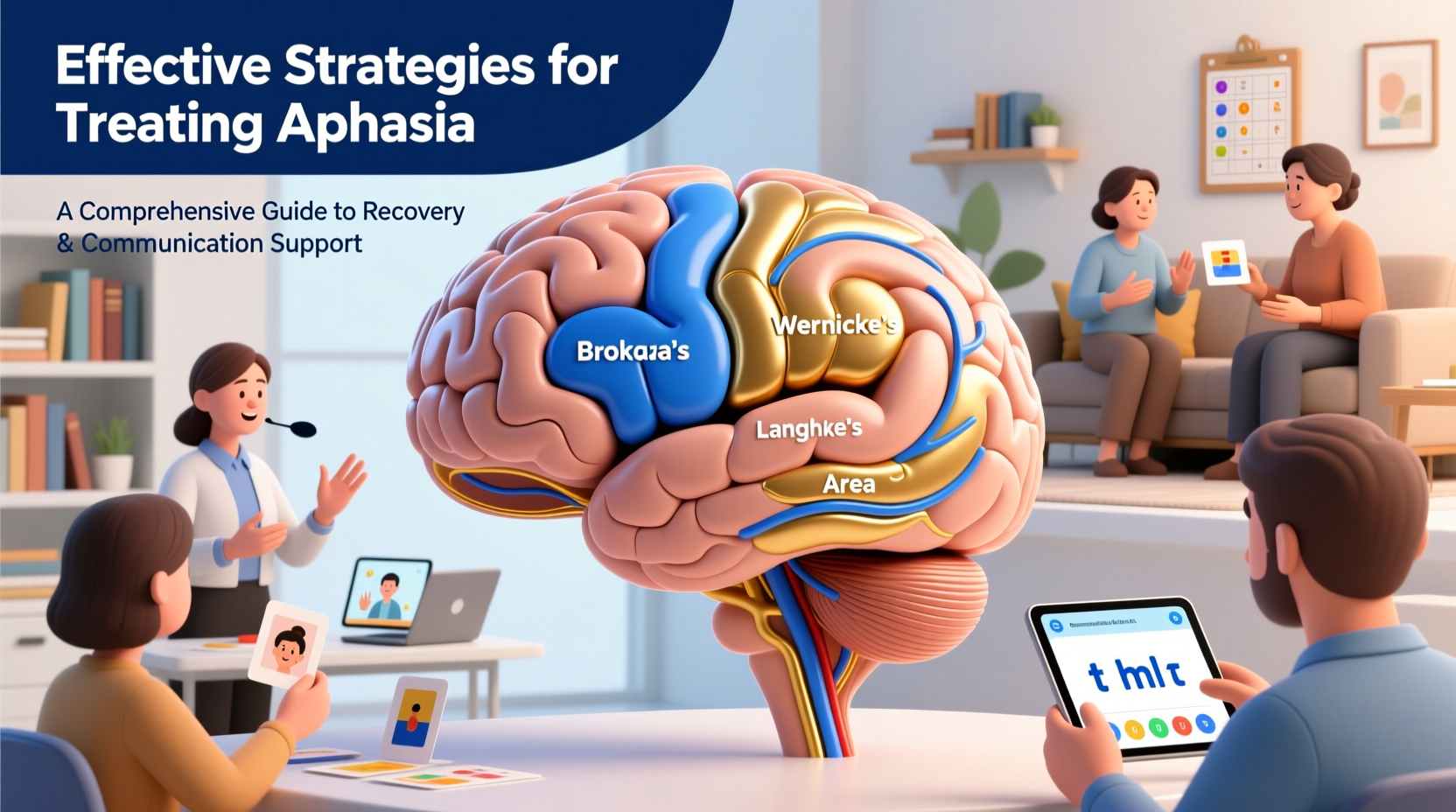
Aphasia manifests in various forms depending on the area of the brain affected. The two primary categories are fluent (Wernicke’s) and non-fluent (Broca’s) aphasia, though mixed and global types also exist. Broca’s aphasia involves difficulty producing speech, often resulting in short, halting sentences, while comprehension remains relatively intact. Wernicke’s aphasia features fluent but nonsensical speech, with significant impairment in understanding language.
The emotional and social impact of aphasia extends beyond linguistic deficits. Individuals may experience frustration, isolation, depression, and reduced independence. Family dynamics shift as communication becomes strained. Recognizing these challenges is the first step toward compassionate, effective treatment.
Evidence-Based Treatment Approaches
Recovery from aphasia is highly individualized, but several therapeutic approaches have demonstrated effectiveness through clinical research. These methods focus on reactivating damaged neural pathways, compensating for lost functions, and enhancing overall communication.
1. Speech and Language Therapy (SLT)
This cornerstone of aphasia treatment involves structured exercises tailored to the individual’s needs. Techniques include:
- Constraint-Induced Language Therapy (CILT): Encourages verbal communication by limiting alternative methods like gestures or writing.
- Melodic Intonation Therapy (MIT): Uses musical elements to improve speech production, particularly effective for non-fluent aphasia.
- Semantic Feature Analysis: Helps retrieve words by systematically describing object features (e.g., “What does it do?” “Where do you find it?”).
2. Technology-Assisted Interventions
Digital tools have revolutionized aphasia therapy. Apps like Constant Therapy, Tactus Therapy, and SpeakIt! offer customizable exercises for home use. These platforms provide consistent practice, immediate feedback, and progress tracking—key factors in neuroplasticity and long-term gains.
“Intensive, repetitive language practice drives brain reorganization. Technology allows patients to access hundreds of exercises daily, far beyond what’s possible in clinic alone.” — Dr. Nina Dronkers, Cognitive Neuroscientist, VA Northern California Health Care System
3. Group Therapy and Communication Partner Training
Participating in group therapy fosters social connection and provides real-world practice. Simultaneously, training communication partners—family members, friends, healthcare providers—improves interaction success. Techniques include using yes/no questions, confirming understanding, and minimizing background noise.
Step-by-Step Guide to Building a Recovery Plan
Effective aphasia management requires a structured, multi-phase approach. The following timeline outlines a realistic recovery framework over six months, adaptable to individual circumstances.
- Weeks 1–4: Assessment and Goal Setting
A certified speech-language pathologist conducts a comprehensive evaluation. Goals are established based on severity, type of aphasia, and personal priorities (e.g., “Say my name,” “Order coffee”). - Months 1–3: Intensive Therapy Phase
Engage in 3–5 therapy sessions per week, combining clinician-led and home-based digital exercises. Focus on foundational skills: word retrieval, sentence construction, and auditory comprehension. - Months 4–5: Functional Application
Shift emphasis to real-life communication. Practice conversations in familiar settings (e.g., grocery store, doctor’s office). Incorporate augmentative and alternative communication (AAC) tools if needed. - Month 6: Maintenance and Community Integration
Transition to weekly or biweekly sessions. Join an aphasia support group. Continue daily practice to sustain gains.
Do’s and Don’ts of Communication Support
| Do’s | Don’ts |
|---|---|
| Maintain eye contact and speak naturally (not too slowly) | Don’t pretend to understand if you don’t |
| Use gestures, drawings, or written keywords to support meaning | Don’t finish the person’s sentences unless asked |
| Give ample time to respond—wait at least 10 seconds | Don’t talk about the person as if they aren’t present |
| Confirm understanding by repeating key points | Don’t simplify language to the point of condescension |
Real-Life Example: John’s Journey to Regained Communication
John, a 62-year-old retired teacher, experienced a left-hemisphere stroke that resulted in moderate Broca’s aphasia. Initially, he could only say single words and relied heavily on gestures. With early intervention, he began intensive speech therapy within two weeks of his stroke. His treatment included MIT, which helped him sing phrases before speaking them, and daily use of a tablet app targeting noun-verb associations.
His wife attended communication partner training and learned to use visual supports during meals and outings. After four months of consistent effort, John progressed from one-word responses to forming full sentences. He now leads a monthly aphasia support group discussion, demonstrating not only linguistic recovery but renewed confidence and social engagement.
Essential Checklist for Families and Caregivers
- ✅ Schedule a formal evaluation with a licensed speech-language pathologist
- ✅ Set specific, measurable communication goals with the therapy team
- ✅ Learn communication strategies through partner training programs
- ✅ Integrate daily practice using apps or printed materials
- ✅ Reduce environmental distractions during conversations
- ✅ Explore local or online aphasia support groups
- ✅ Advocate for accessibility in healthcare and community settings
Frequently Asked Questions
Can aphasia improve years after a stroke?
Yes. While the greatest improvements typically occur in the first 6 months, ongoing therapy and practice can yield gains even years later. Neuroplasticity—the brain’s ability to reorganize—persists throughout life, especially when stimulated by consistent language use.
Are there medications that treat aphasia?
No medication is currently approved specifically for aphasia. However, some drugs (e.g., piracetam, donepezil) have been studied as adjuncts to therapy, with mixed results. Their use should be discussed with a neurologist and is not a substitute for speech therapy.
What role does mental health play in recovery?
Crucial. Depression and anxiety are common in individuals with aphasia and can significantly hinder participation in therapy. Psychological support, including counseling and peer groups, should be integrated into the recovery plan to address emotional well-being alongside language rehabilitation.
Conclusion: Empowerment Through Action
Recovery from aphasia is not a passive process—it demands persistence, support, and strategic intervention. By combining professional therapy, technological tools, caregiver education, and community involvement, individuals with aphasia can reclaim their voice and rebuild connections. Progress may be gradual, but every word regained is a victory.




 浙公网安备
33010002000092号
浙公网安备
33010002000092号 浙B2-20120091-4
Comments
No comments yet. Why don't you start the discussion?