
Leash reactivity—barking, lunging, growling at other dogs or people while on a walk—is one of the most common behavioral challenges faced by dog owners. It’s not aggression in the traditional sense, but rather an emotional response rooted in fear, frustration, or overarousal. The good news is that with patience, consistency, and the right approach, leash reactivity can be significantly reduced. This guide outlines practical, humane methods backed by animal behavior science to help you regain peaceful walks and strengthen your bond with your dog.
Understanding Leash Reactivity: The Root Causes
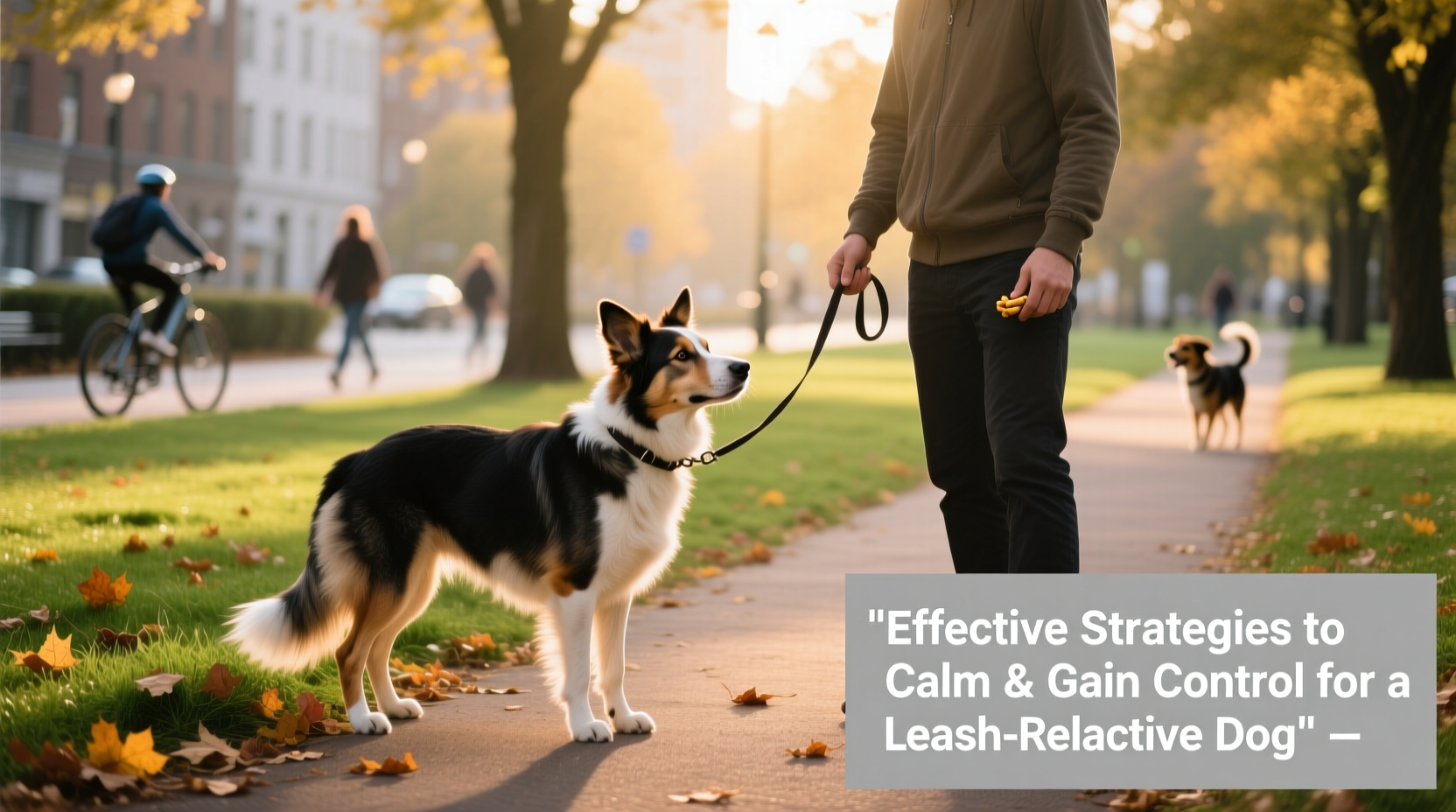
Before implementing solutions, it’s essential to understand what drives leash reactivity. A reactive dog isn’t being “bad” or disobedient—it’s reacting to perceived threats while feeling trapped. On-leash, dogs lack the ability to flee or fully investigate stimuli, which heightens their stress. Common triggers include other dogs, cyclists, loud noises, or unfamiliar people.
Reactivity often stems from:
- Lack of early socialization
- Past negative experiences
- Genetic predisposition to anxiety
- Overstimulation in high-traffic environments
Recognizing these underlying causes shifts the focus from punishment to support. The goal isn’t suppression, but helping your dog feel safe and regulated in triggering situations.
Step-by-Step Desensitization and Counterconditioning
The gold standard for managing leash reactivity is a combination of desensitization (gradually exposing the dog to triggers at safe distances) and counterconditioning (changing the dog’s emotional response from fear to positivity).
- Identify Threshold Distance: Find the distance at which your dog notices the trigger but doesn’t react. This varies—sometimes 50 feet, sometimes farther.
- Use High-Value Treats: Choose something irresistible like boiled chicken, cheese, or hot dog pieces. These should only appear during training sessions.
- Engage in Positive Association: As soon as your dog sees the trigger (e.g., another dog), begin feeding treats rapidly. Stop when the trigger disappears. The dog learns: “Other dog appears = amazing food arrives.”
- Gradual Exposure: Over weeks, slowly decrease the distance to the trigger as your dog remains calm, always staying below threshold.
- Add Distance Back If Needed: If your dog reacts, calmly turn and walk away. Reset and try again from a greater distance.
This process rewires your dog’s brain over time. It’s not about obedience commands, but changing how your dog feels in the presence of triggers.
Practical Management Techniques During Walks
While long-term training takes place, daily walks require immediate tools to prevent rehearsal of reactive behaviors. Unchecked reactivity strengthens neural pathways, making it harder to change later.
| Technique | How It Works | Best For |
|---|---|---|
| U-Turn Method | Turn and walk in the opposite direction when a trigger appears | Dogs who escalate quickly |
| Look at That (LAT) | Mark and reward dog for looking at trigger then back to you | Building focus and confidence |
| Front-Clip Harness | Reduces pulling and gives better control without neck strain | All reactive dogs |
| Verbal Cues (e.g., “Leave it,” “This way”) | Redirect attention before reactivity starts | Dogs with some baseline training |
Avoid retractable leashes—they give false freedom and make managing distance nearly impossible. Use a standard 4–6 foot leash for maximum control.
“Reactivity isn’t fixed overnight. It’s managed through consistency, empathy, and understanding the dog’s emotional state.” — Dr. Karen Overall, Veterinary Behaviorist
Real-Life Example: Transforming Max, the Reactive Terrier Mix
Max, a 3-year-old Jack Russell terrier mix, would lunge and bark at every passing dog, often dragging his owner across the sidewalk. His owner initially tried scolding and jerking the leash, which only increased Max’s arousal.
Working with a certified trainer, they began a structured plan:
- Switched to a front-clip harness for better control
- Started training in quiet areas with distant dog sightings
- Used chicken and cheese to build positive associations
- Implemented U-turns whenever Max approached threshold
After eight weeks of consistent 10-minute daily sessions, Max began looking at other dogs and then back at his owner for treats. Full lunges stopped entirely by week 12. Today, Max walks calmly through parks and even tolerates close encounters with well-behaved dogs.
His transformation wasn’t due to stricter control, but to feeling safe and rewarded for calm behavior.
Essential Checklist for Managing Leash Reactivity
- ✅ Identify your dog’s reactivity threshold distance
- ✅ Carry high-value treats on every walk
- ✅ Practice short training sessions (5–10 minutes) 4–5 times per week
- ✅ Use a front-clip harness or head collar (if appropriate)
- ✅ Avoid known high-traffic areas during initial training
- ✅ Track progress with notes or a journal
- ✅ Consult a force-free trainer if stuck
Frequently Asked Questions
Can leash reactivity be completely cured?
While many dogs improve dramatically, “cure” depends on the individual. Some dogs will always need management in high-stimulus environments. However, with proper training, most can enjoy calm, enjoyable walks and respond reliably to cues even when triggered.
Should I use a muzzle for my reactive dog?
If your dog has bitten or is at risk of doing so, a basket muzzle can be a responsible safety measure. It allows panting and treat delivery while preventing bites. Never use a muzzle as a substitute for training—pair it with behavior modification for best results.
Is it too late to train an older dog?
No. Dogs of any age can learn new behaviors. Older dogs may take longer due to established habits, but neuroplasticity allows learning throughout life. Patience and consistency are key.
Conclusion: Progress Over Perfection
Calming a leash reactive dog isn’t about dominance or quick fixes—it’s about building trust, reducing fear, and teaching new responses through kindness and structure. Every small step forward, from noticing a trigger without barking to turning toward you for a treat, is meaningful progress.
Start where your dog is today. Celebrate tiny victories. Seek support from qualified professionals who use positive reinforcement. With time, most reactive dogs can transform from tense and explosive to relaxed and confident on walks.




 浙公网安备
33010002000092号
浙公网安备
33010002000092号 浙B2-20120091-4
Comments
No comments yet. Why don't you start the discussion?