
Cats are meticulous groomers by nature, but when grooming becomes excessive—leading to bald patches, skin irritation, or behavioral changes—it’s a sign that something deeper may be at play. Overgrooming is often more than just a hygiene habit; it can signal stress, anxiety, allergies, or underlying medical conditions. Addressing this behavior requires a holistic approach that combines environmental enrichment, emotional support, and veterinary insight. Understanding the root causes and implementing targeted calming strategies can restore balance and comfort to your cat’s life.
Understanding Overgrooming: Causes and Warning Signs
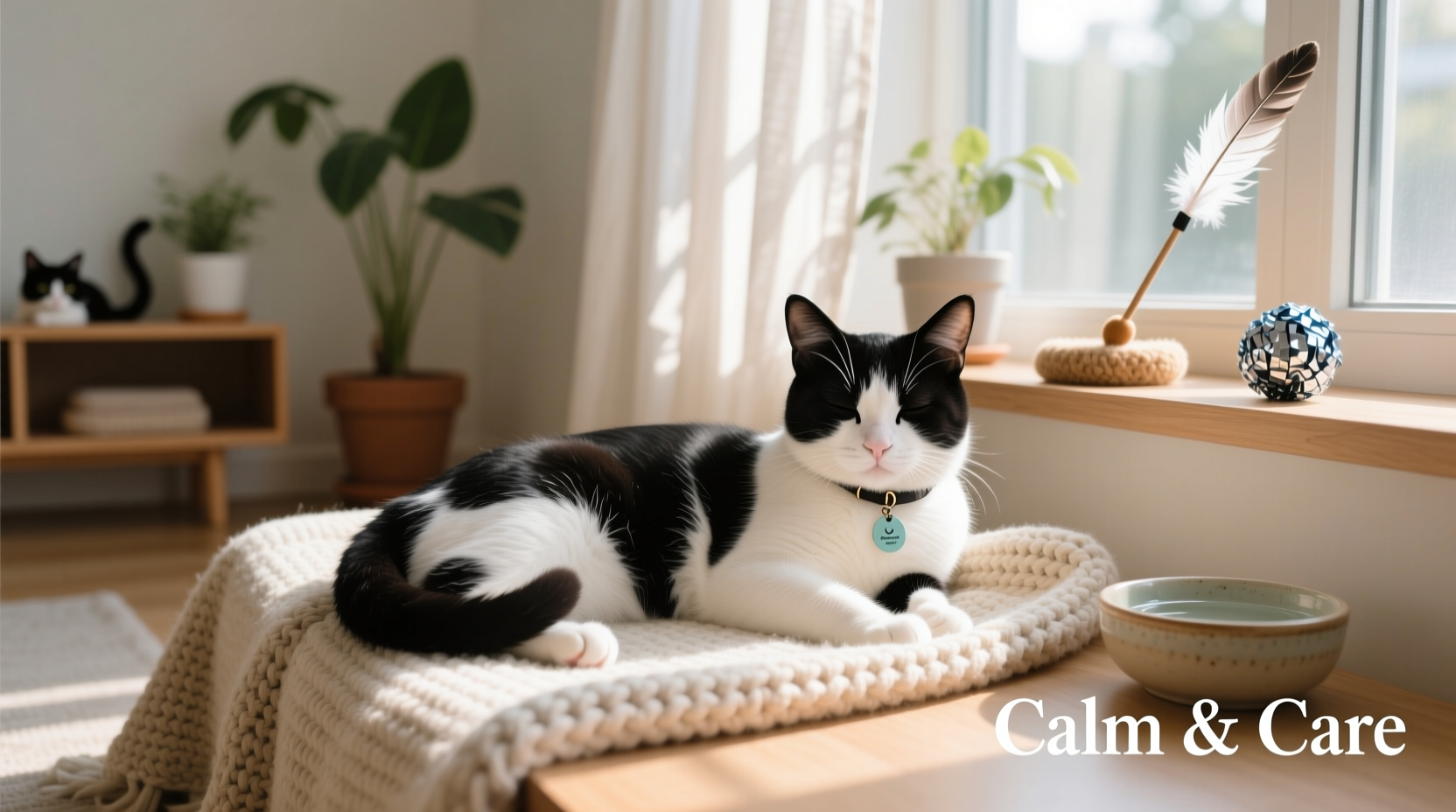
Overgrooming, also known as psychogenic alopecia when linked to psychological factors, occurs when a cat licks, bites, or chews its fur beyond normal maintenance. While occasional intense grooming after eating or waking is normal, persistent licking—especially focused on the belly, legs, or tail—warrants attention.
Common causes include:
- Stress or anxiety: Changes in household dynamics, new pets, loud noises, or lack of stimulation.
- Allergies: Flea bites, food sensitivities, or environmental allergens causing itchiness.
- Pain or discomfort: Arthritis, dental issues, or skin infections prompting localized licking.
- Boredom: Insufficient mental or physical engagement leading to compulsive behaviors.
- Hormonal imbalances: Conditions like hyperthyroidism can increase restlessness and grooming frequency.
Warning signs that grooming has crossed into problematic territory include hair loss, red or raw skin, constant licking during quiet times, and disrupted sleep patterns.
Creating a Calming Environment for Your Cat
A stable, predictable environment is one of the most effective tools in reducing feline stress. Cats thrive on routine and safety, so even small disruptions can trigger anxiety-related behaviors like overgrooming.
Start by identifying potential stressors: Is there construction noise? A new pet? Frequent visitors? Once identified, take steps to minimize exposure. Provide safe retreats such as covered beds, high perches, or quiet rooms where your cat can withdraw when overwhelmed.
Incorporate scent stability using pheromone diffusers like Feliway, which mimic the natural facial pheromones cats use to mark safe spaces. These have been clinically shown to reduce stress-related behaviors in up to 90% of cases when used consistently for several weeks.
“Environmental enrichment and scent security are foundational in managing compulsive grooming. A cat that feels safe is far less likely to develop displacement behaviors.” — Dr. Lena Reyes, Veterinary Behaviorist
Step-by-Step Guide to Reducing Environmental Stress
- Identify recent changes in the home (e.g., new furniture, family members, routines).
- Establish a quiet sanctuary with bedding, water, and a litter box nearby.
- Use a pheromone diffuser in the main living area, replacing every 30 days.
- Introduce calming sounds like classical music or species-specific audio playlists.
- Maintain consistent feeding and play schedules to reinforce predictability.
Nutritional and Medical Considerations
Before assuming overgrooming is purely behavioral, rule out medical causes. Skin conditions, parasites, gastrointestinal sensitivities, and hormonal disorders can all manifest through excessive licking.
A veterinarian should conduct a full workup, including:
- Skin scrapings to check for mites or fungal infections.
- Flea combing and parasite prevention review.
- Blood tests to assess thyroid and organ function.
- Diet trial to eliminate potential food allergens.
If no medical cause is found, the behavior is likely stress-induced. However, nutrition still plays a role. Omega-3 fatty acids, found in fish oil supplements, support skin health and may reduce itch-driven grooming. High-quality, limited-ingredient diets can also minimize inflammatory responses.
| Cause Type | Signs | Action Step |
|---|---|---|
| Allergies | Itchy skin, ear infections, paw licking | Vet-guided elimination diet |
| Anxiety | Overgrooming during quiet hours, hiding | Pheromone therapy + enrichment |
| Pain | Licking one area, limping, reduced mobility | Orthopedic or dental exam |
| Boredom | Daytime licking, lack of toy interaction | Structured play sessions twice daily |
Behavioral Enrichment and Routine
Mental and physical stimulation are critical for preventing compulsive behaviors. Cats evolved as hunters, and without outlets for predatory sequences—stalk, chase, pounce, bite—they may redirect energy into self-soothing actions like grooming.
Implement two 10–15 minute interactive play sessions daily using wand toys or laser pointers. End each session with a treat or meal to simulate the “kill and eat” sequence, which provides psychological closure.
Add puzzle feeders, rotating toys, and vertical spaces like cat trees to encourage exploration. Rotate toys weekly to maintain novelty and prevent habituation.
Mini Case Study: Luna, the Apartment Cat
Luna, a 4-year-old domestic shorthair, began losing fur on her inner thighs after her owner started working from home. The sudden shift in routine—constant movement and screen noise—disrupted her sense of security. She began grooming excessively during video calls, especially when her owner was on the phone.
Her vet ruled out allergies and pain. The solution involved creating a dedicated “quiet zone” with a pheromone diffuser, introducing scheduled play before work hours, and using white noise to mask disruptive sounds. Within three weeks, Luna’s grooming decreased significantly, and regrowth was visible after six weeks.
Practical Checklist: How to Prevent and Reduce Overgrooming
- ✅ Schedule a veterinary checkup to rule out medical causes.
- ✅ Introduce daily interactive play sessions (10–15 minutes, twice a day).
- ✅ Install a pheromone diffuser in your cat’s primary living area.
- ✅ Create a safe, quiet retreat space away from foot traffic.
- ✅ Maintain a consistent daily routine for feeding, play, and sleep.
- ✅ Use omega-3 supplements if approved by your vet.
- ✅ Rotate toys weekly to sustain interest and mental engagement.
- ✅ Monitor grooming duration and location for changes.
FAQ
Can overgrooming lead to permanent hair loss?
If caught early and addressed, most cats regrow their fur once the underlying cause is managed. However, chronic overgrooming can damage hair follicles, leading to thin or patchy regrowth. Early intervention is key.
Is it safe to use anti-anxiety medication for cats?
Yes, under veterinary supervision. Medications like fluoxetine (Prozac) or reboxetine are sometimes prescribed for severe anxiety-related behaviors when combined with environmental modifications. They are not first-line treatments but can be effective in resistant cases.
How long does it take to see improvement?
With consistent changes, behavioral improvements typically appear within 3–6 weeks. Full resolution may take several months, especially if deep-seated anxiety or medical recovery is involved.
Conclusion
Overgrooming is a complex behavior that reflects your cat’s physical and emotional state. By approaching it with patience, observation, and a blend of veterinary guidance and environmental care, you can help your cat feel safer and more balanced. Small changes—like a predictable routine, enriched surroundings, and daily play—can have profound effects on reducing stress and eliminating compulsive habits. Your cat relies on you to interpret their silent signals. Start today by observing their behavior, consulting your vet, and building a calmer, more engaging world tailored to their needs.




 浙公网安备
33010002000092号
浙公网安备
33010002000092号 浙B2-20120091-4
Comments
No comments yet. Why don't you start the discussion?