
Dogs chew. It's natural. Puppies explore the world with their mouths, and adult dogs may chew to relieve boredom, anxiety, or excess energy. But when your shoes, furniture, and remote controls become regular targets, it’s time to step in—without yelling, punishment, or frustration. The key isn’t suppression; it’s redirection. With patience, structure, and understanding of canine behavior, you can guide your dog toward appropriate chewing habits while preserving trust and peace in your home.
Understand Why Dogs Chew
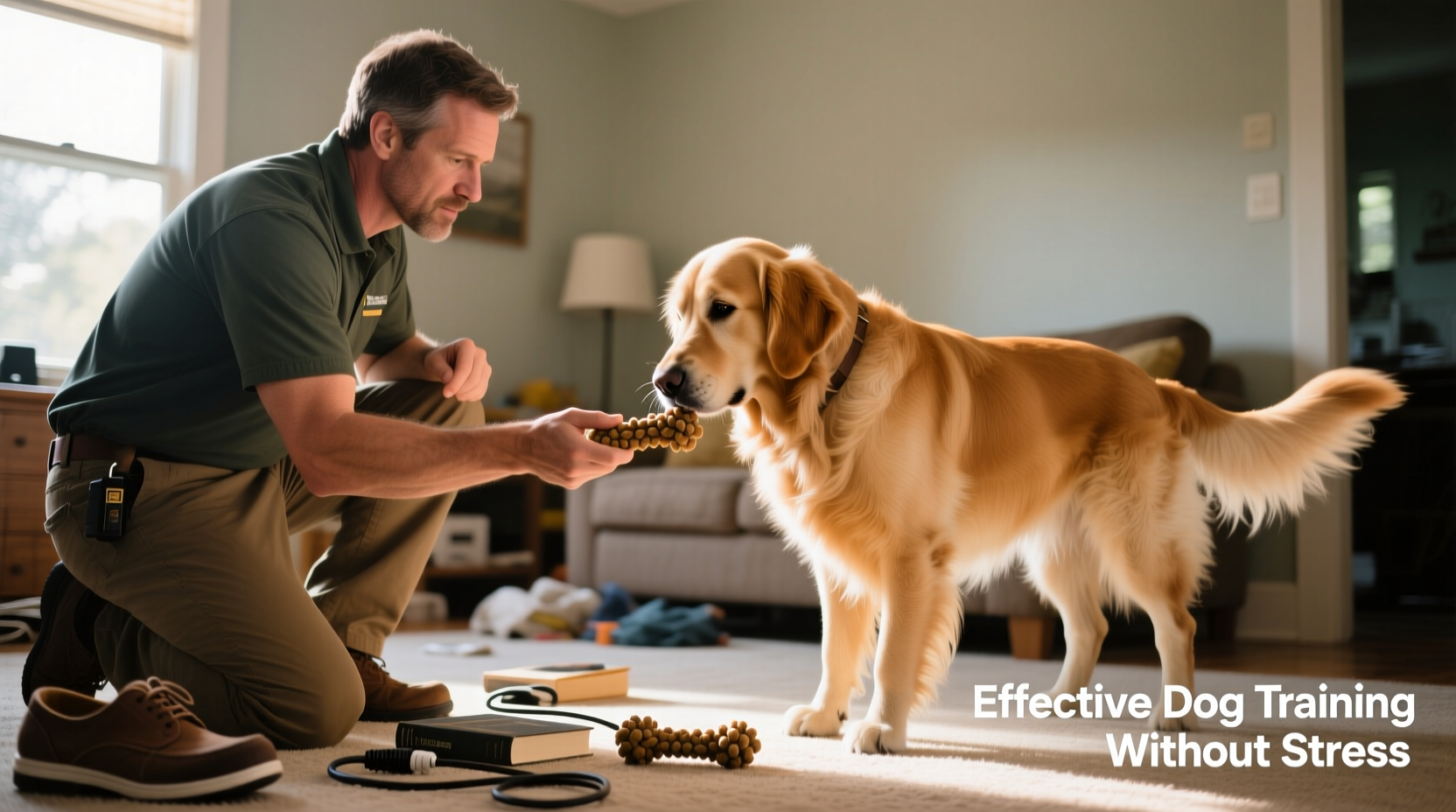
Before correcting the behavior, recognize its roots. Chewing serves several purposes for dogs:
- Pain relief: Puppies teethe between 3–6 months, making chewing soothing.
- Mental stimulation: Boredom is a major trigger. Without engagement, dogs seek their own entertainment.
- Stress reduction: Chewing releases endorphins, helping anxious dogs self-soothe.
- Exploration: Especially in young dogs, mouthing objects is how they learn about their environment.
Discipline that ignores these motivations often fails. Yelling or rubbing a dog’s nose in an accident doesn’t teach what to do instead—it only creates fear. Effective correction focuses on prevention, redirection, and reinforcement of desired behaviors.
Redirect, Don’t Punish
The most humane and effective strategy is redirection. When you catch your dog chewing something inappropriate, calmly interrupt the behavior and offer an acceptable alternative.
Say “Oops” or “Leave it” in a neutral tone—never shout—and immediately hand them a chew toy. Praise enthusiastically when they take it. Over time, this builds a conditioned response: inappropriate object = toy appears = good things happen.
This method works because it aligns with how dogs learn through consequences. Positive outcomes (praise, treats) reinforce the new habit. Negative reactions (yelling, isolation) damage the bond and increase anxiety, potentially worsening destructive behavior.
“Dogs don’t misbehave out of defiance—they act based on what has been reinforced. Replace bad habits with better options, not fear.” — Dr. Karen Overall, Veterinary Behaviorist
Create a Dog-Safe Environment
Prevention is more effective than correction. A puppy or high-energy dog left unsupervised in a cluttered living room is set up to fail. Instead, manage the environment to minimize temptation.
Start by removing access to off-limits items. Use baby gates, close bedroom doors, or confine your dog to a designated area when you can’t supervise. Keep shoes, cords, books, and trash secured.
In their safe zone, stock plenty of approved chew items. Include a variety—rubber toys, dental chews, puzzle feeders—to match different moods and needs. A Kong filled with frozen peanut butter (xylitol-free) can keep a dog occupied for 30 minutes or more.
| Chew Risk | Solution | Benefit |
|---|---|---|
| Electrical cords | Cord covers or tape to baseboard | Prevents injury and discourages access |
| Shoes by the door | Store in closed closet or bin | Removes temptation |
| Furniture legs | Bitter apple spray (pet-safe) | Taste deterrent reduces appeal |
| Trash can raids | Use lidded bin in cabinet | Eliminates opportunity |
Step-by-Step Guide to Building Better Habits
Changing chewing behavior takes consistency over weeks, not days. Follow this timeline to build lasting results:
- Week 1–2: Supervise constantly and redirect. Keep your dog within sight. Interrupt chewing with a calm cue and offer a toy. Reward every correct choice.
- Week 3–4: Add mental exercise. Introduce food puzzles, scent games, or short training sessions. A tired mind chews less from boredom.
- Week 5–6: Gradually increase freedom. Allow access to one new room at a time, only after your dog consistently chooses toys over objects.
- Ongoing: Maintain structure. Continue rotating toys, providing daily enrichment, and reinforcing rules. Even well-trained dogs regress if neglected.
Consistency across all family members is crucial. If one person allows couch chewing while another scolds, the dog receives mixed signals. Agree on boundaries and apply them uniformly.
Mini Case Study: Max, the Destructive Labrador
Max, a 7-month-old Labrador Retriever, chewed through two pairs of sneakers, a corner of the dining table, and a throw pillow within his first month at home. His owners were frustrated and considered rehoming him.
A trainer assessed the situation and found three issues: Max was left alone for four hours daily with no toys, his walks were short, and he had never been taught what was acceptable to chew.
The solution included:
- Introducing a rotation of durable chew toys (Nylabone, rubber Kongs).
- Feeding meals via puzzle feeders to stimulate problem-solving.
- Increasing daily walks and adding 10-minute training sessions for commands like “leave it” and “drop it.”
- Using a pet-safe bitter spray on furniture corners.
Within five weeks, Max stopped targeting household items. By eight weeks, he ran to his toy basket when excited instead of grabbing slippers. His owners reported a calmer, happier dog—and saved their furniture.
Checklist: Stop Destructive Chewing in 7 Steps
- ✅ Remove access to tempting objects when unsupervised
- ✅ Provide multiple chew toys suited to your dog’s size and chewing strength
- ✅ Rotate toys weekly to maintain interest
- ✅ Use taste deterrents on off-limits items (test in hidden spot first)
- ✅ Practice “leave it” and “drop it” commands daily
- ✅ Increase physical and mental exercise (walks, training, games)
- ✅ Reward every instance of appropriate chewing
FAQ
Is it normal for adult dogs to chew as much as puppies?
Not typically. While some chewing is normal at any age, excessive destruction in adult dogs often signals unmet needs—lack of exercise, mental stimulation, or underlying anxiety. Address the root cause rather than assuming it’s just a phase.
What if my dog only chews when I’m gone?
This may indicate separation anxiety. In addition to environmental management, consider gradual desensitization to departures, calming aids like pheromone diffusers, and consulting a veterinary behaviorist if the behavior persists.
Are antler or rawhide chews safe?
They can pose risks—splintering, choking, or intestinal blockages. Safer alternatives include rubber toys labeled “indestructible” for strong chewers or edible chews designed to break down safely. Always supervise chewing sessions.
Conclusion
Disciplining a dog who chews everything doesn’t require dominance, punishment, or stress. It requires empathy, planning, and consistency. By understanding your dog’s needs, managing their environment, and reinforcing better choices, you create a home where both you and your dog feel secure and respected. Chewing will never disappear entirely—and it shouldn’t—but with the right approach, it becomes a manageable, even healthy, part of your dog’s life.




 浙公网安备
33010002000092号
浙公网安备
33010002000092号 浙B2-20120091-4
Comments
No comments yet. Why don't you start the discussion?