
For many cat owners, managing litter box odor is an ongoing challenge. Despite regular scooping and cleaning, unpleasant smells can linger and spread through the home. Cat urine contains ammonia and sulfur compounds that are particularly pungent and persistent. Left unchecked, these odors not only affect comfort but can also discourage cats from using their litter box properly. The good news is that with the right combination of products, routines, and environmental adjustments, you can effectively eliminate and neutralize cat litter smell—keeping your home smelling clean and inviting.
Understanding the Source of Litter Box Odor
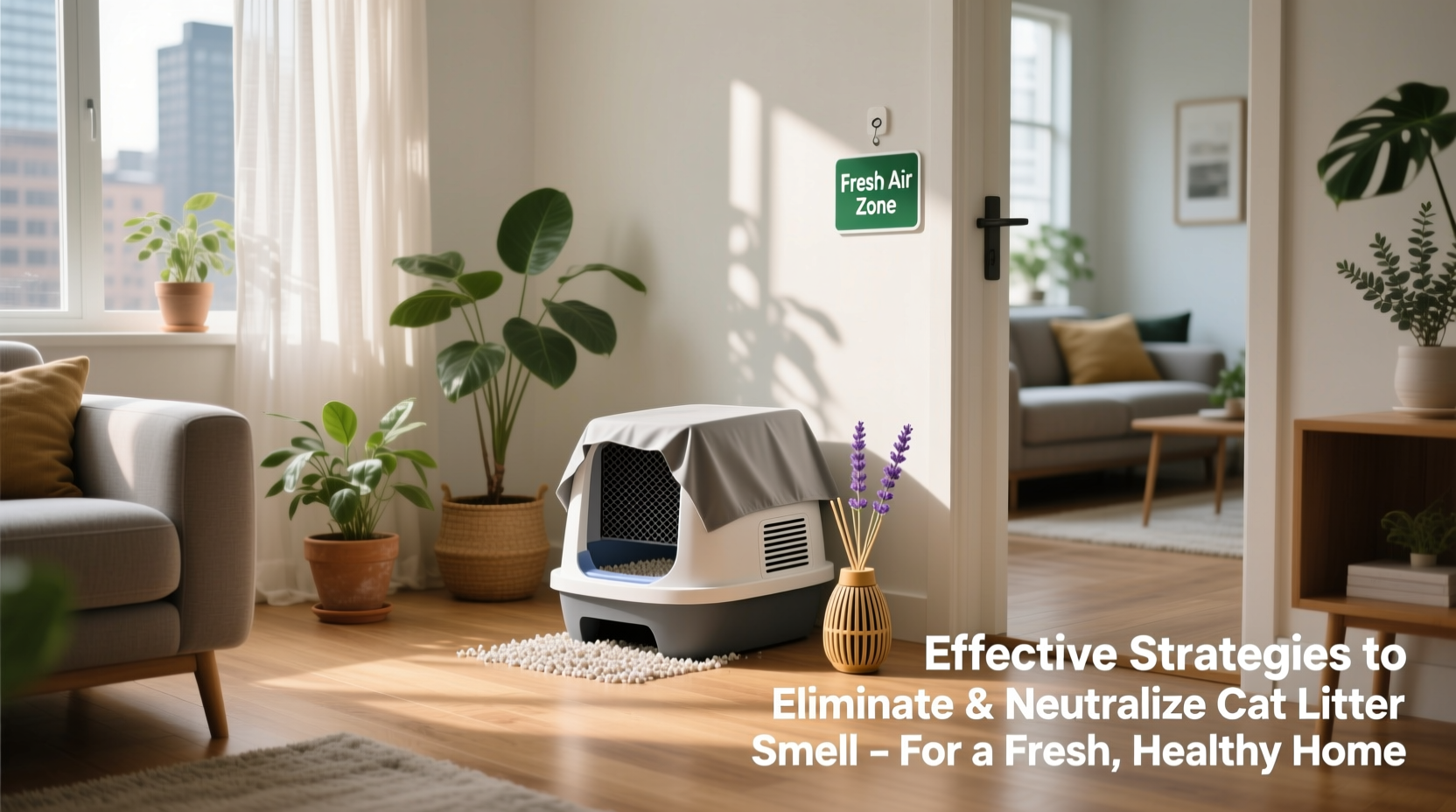
Cat waste produces odor due to bacterial breakdown of urea in urine, which releases ammonia, and the decomposition of feces, which generates mercaptans and other volatile organic compounds. These gases are not only strong-smelling but can also cling to fabrics, walls, and flooring if not addressed promptly. High humidity, poor ventilation, and infrequent cleaning amplify the issue.
The type of litter used plays a major role. Clay-based litters may trap some odor but often fail to neutralize it completely. Clumping litters with baking soda or activated charcoal offer better performance, while natural options like pine or wheat may absorb moisture but vary in odor control.
Step-by-Step Guide to Eliminating Litter Smell
A systematic approach ensures long-term success. Follow this timeline to reduce and prevent odor at every stage:
- Daily Scooping (Every 24 hours): Remove solid waste and clumps immediately. This prevents bacterial growth before it starts.
- Midweek Deep Clean (Twice Weekly): Empty half the litter, clean the remaining sides and bottom with odor-neutralizing cleaner, then refill.
- Full Litter Change (Every 3–4 Weeks): Completely empty the box, wash with enzymatic cleaner, rinse thoroughly, dry, and refill with fresh litter.
- Monthly Inspection: Check for cracks, scratches, or lingering odors in the box itself. Replace plastic liners or boxes as needed.
- Ongoing Air Quality Management: Run air purifiers and ensure airflow around the litter area.
Best Products and Practices for Odor Neutralization
Not all odor fighters work the same. Some mask smells; others break them down at a molecular level. For true elimination, focus on products that neutralize rather than cover up.
| Product Type | How It Works | Effectiveness | Notes |
|---|---|---|---|
| Enzymatic Cleaners | Breaks down urine proteins and bacteria | ★★★★★ | Use on floors, walls, and inside litter boxes |
| Activated Charcoal Filters | Adsorbs odor molecules from air | ★★★★☆ | Ideal for litter box enclosures or air purifiers |
| Baking Soda-Infused Litter | Neutralizes pH and absorbs moisture | ★★★★☆ | Mix with other litters for enhanced effect |
| UV-C Air Purifiers | Kills airborne bacteria and neutralizes VOCs | ★★★★☆ | Best when placed near litter zone |
| Fabric Deodorizers | Masking agents only | ★☆☆☆☆ | Temporary fix; avoid near litter box |
Real Example: How One Household Reduced Odor by 90%
Sarah, a pet owner in Portland, struggled with persistent litter smell despite daily scooping. Her two cats used a single uncovered box in a small bathroom with minimal ventilation. After consulting a veterinary behaviorist, she implemented several changes:
- Switched to a clumping litter with activated charcoal
- Added a second, larger hooded litter box in a laundry room with better airflow
- Installed a small exhaust fan
- Placed a HEPA air purifier with a carbon filter nearby
- Began using an enzymatic cleaner weekly on the floor and walls around the box
Within three weeks, family members and guests no longer noticed any odor. More importantly, both cats consistently used the boxes without avoidance behaviors. “It wasn’t one thing,” Sarah said. “It was layering solutions that finally worked.”
“Odor control isn’t just about cleanliness—it’s about creating an environment where both cats and humans thrive. Multi-layered strategies outperform single fixes every time.” — Dr. Lena Patel, Feline Behavior Specialist
Do’s and Don’ts of Litter Box Odor Control
| Do | Don’t |
|---|---|
| Use unscented, dust-free litter to avoid irritating your cat’s senses | Overpower smells with air fresheners or essential oils—many are toxic to cats |
| Provide one litter box per cat, plus one extra | Place litter boxes near noisy appliances like washers or dryers |
| Choose large, easy-to-clean boxes to allow full digging space | Use ammonia-based cleaners—they mimic urine scent and attract cats back to the spot |
| Ventilate the room with open windows or fans | Ignore early signs of odor; act immediately |
Checklist: Your Complete Litter Odor Control Plan
Use this actionable checklist weekly to maintain freshness:
- ☐ Scoop waste at least once daily
- ☐ Wipe down interior walls of litter box with enzymatic spray
- ☐ Vacuum around the litter area to remove tracked particles
- ☐ Replace or refresh carbon filter in air purifier
- ☐ Check for dampness or lingering smells in surrounding surfaces
- ☐ Confirm litter depth is 3–4 inches for optimal absorption
- ☐ Ensure the box is in a quiet, accessible, and well-ventilated location
Frequently Asked Questions
Can baking soda be added directly to any type of litter?
Yes, plain baking soda is safe to mix with most litters. Add a half-cup to the bottom of the box before filling with litter to enhance odor absorption. Avoid scented baking soda or additives that could irritate your cat.
How do I know if the odor has seeped into the floor or walls?
If smells persist after cleaning, use a blacklight in a dark room. Urine stains will fluoresce under UV light. Treat affected areas with an enzymatic cleaner designed for pet odors, following label instructions for deep penetration.
Are self-cleaning litter boxes worth the investment for odor control?
Many automatic boxes reduce odor by removing waste shortly after use, limiting bacterial exposure. However, they require maintenance and may not suit all cats. Models with sealed waste compartments and carbon filters tend to perform best for odor reduction.
Conclusion: A Fresh Home Is Within Reach
Eliminating cat litter smell doesn’t require extreme measures—just consistent, informed habits. By understanding the science of odor, choosing the right products, and maintaining a proactive cleaning routine, you can create a home that feels fresh and welcoming, not just for you, but for your cat too. Odor control is not a one-time fix but an ongoing practice that pays off in comfort, hygiene, and harmony.




 浙公网安备
33010002000092号
浙公网安备
33010002000092号 浙B2-20120091-4
Comments
No comments yet. Why don't you start the discussion?