
Walking your dog should be a relaxing ritual—a chance to bond, explore, and unwind. Yet for many pet owners, it quickly turns into a tug-of-war match, with the dog charging ahead, straining at the leash, and leaving the handler frustrated or even injured. The good news: leash pulling is not a life sentence. With consistency, patience, and the right techniques, you can transform chaotic walks into peaceful outings. This guide outlines proven, humane strategies grounded in modern dog training principles to help your dog walk politely by your side.
Understanding Why Dogs Pull
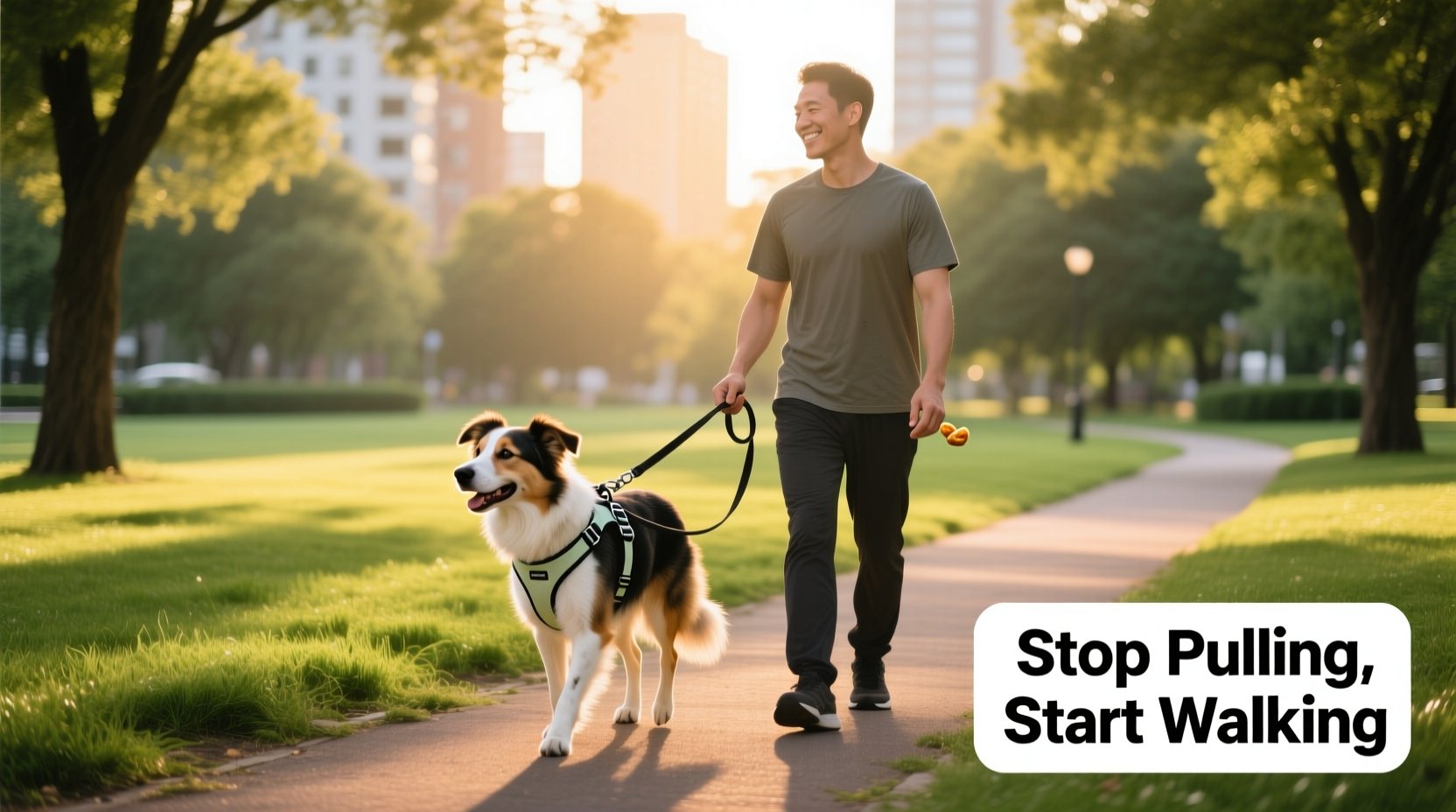
Dogs are naturally curious and driven by scent, movement, and exploration. When they’re on a walk, every rustle in the bushes, distant bark, or interesting smell becomes a target. Leash pulling is rarely defiance—it’s simply a result of reinforcement. Every time your dog pulls forward and reaches something exciting (a tree, a squirrel, another dog), that behavior is rewarded. Over time, pulling becomes their default method of navigation.
Traditional methods like yanking back or using choke collars may suppress pulling temporarily but often increase anxiety and damage trust. Modern, reward-based training focuses on teaching dogs an alternative behavior—walking beside you—and reinforcing it consistently.
“Dogs don’t pull because they want to dominate; they pull because it works. Our job is to make walking calmly more rewarding.” — Dr. Sophia Yin, Veterinary Behaviorist and Animal Training Pioneer
Step-by-Step Training Method: The Turn-and-Go Technique
This technique teaches your dog that pulling leads nowhere, while staying close earns progress and rewards. It’s simple, effective, and builds communication.
- Start in a low-distraction area – Your backyard or a quiet sidewalk works best.
- Hold the leash loosely – Tension sends mixed signals. Let your dog feel slack when they’re calm.
- Begin walking – As soon as your dog moves forward and the leash tightens, immediately stop moving.
- Wait for slack – Stand still until the leash loosens, even if it takes several seconds. This teaches them that tension = pause.
- As soon as the leash is loose, praise and step forward – Reinforce the desired behavior instantly.
- If they pull again, turn around and walk the opposite direction – This surprises dogs and redirects their focus back to you.
- Repeat consistently – Over days and weeks, your dog learns that staying near you means forward motion.
Choosing the Right Equipment
While training is key, the right gear can support your efforts and reduce strain on both you and your dog. Avoid tools designed to punish, such as prong or shock collars. Instead, opt for equipment that gently guides and discourages pulling.
| Equipment | How It Helps | Best For |
|---|---|---|
| Front-Clip Harness | Redirects dog’s movement when they pull, turning them back toward you | Dogs who lunge or have strong prey drive |
| No-Pull Harness (e.g., Freedom Harness) | Combines front clip with gentle chest pressure to discourage pulling | Medium to large breeds with moderate pulling |
| Head Halter (e.g., Gentle Leader) | Controls direction via the head, similar to a horse halter | Dogs needing more guidance; requires gradual introduction |
| Standard Harness (Back-Clip) | Comfortable but may encourage pulling due to opposition reflex | Calm walkers or used with proper training |
Note: Always introduce new gear gradually. Let your dog sniff and wear it indoors before use. Pair it with treats to create positive associations.
Building Real-World Success: A Mini Case Study
Max, a two-year-old Australian Shepherd, loved walks—but his owner Sarah dreaded them. Max would sprint at the sight of other dogs, cyclists, or squirrels, dragging Sarah across sidewalks. After consulting a certified dog trainer, she began using the turn-and-go method with a front-clip harness.
For the first week, Sarah practiced in her driveway for five minutes daily. She carried pea-sized pieces of boiled chicken and praised Max the moment he looked at her or walked without tension. When Max pulled, she stopped. When he turned back, she marked with “Yes!” and treated.
By week three, Max was walking calmly down the block. Sarah increased distractions slowly—first passing a parked car, then a quiet neighbor. Within six weeks, Max could walk past other dogs without lunging. The transformation wasn’t overnight, but consistency paid off.
Essential Training Checklist
- ✅ Use a front-clip harness or head halter suited to your dog’s size and strength
- ✅ Carry high-value treats on every walk during training
- ✅ Practice the stop-and-wait method consistently—don’t move when the leash is tight
- ✅ Reward attention and loose-leash walking with treats and verbal praise
- ✅ Start in low-distraction environments and gradually increase difficulty
- ✅ Train multiple times per week—even brief sessions count
- ✅ Involve all family members to ensure consistent cues and responses
- ✅ Be patient—behavior change takes time, especially for excitable or strong breeds
Common Mistakes That Undermine Progress
Even well-meaning owners can accidentally reinforce pulling. Watch out for these pitfalls:
- Inconsistency – If sometimes pulling gets the dog where they want to go, the behavior will persist.
- Rushing the process – Moving too quickly to busier areas overwhelms the dog and sets them up to fail.
- Yelling or jerking the leash – This increases stress and can damage the human-dog bond.
- Expecting perfection too soon – Dogs learn through repetition. Celebrate small improvements.
- Using the wrong rewards – If your dog isn’t motivated by kibble, switch to tastier treats during training.
“Training is not about control—it’s about connection. When your dog chooses to stay with you, even when distractions call, that’s true success.” — Victoria Stilwell, Dog Trainer and TV Host
Frequently Asked Questions
How long does it take to stop a dog from pulling?
Most dogs show improvement within 2–4 weeks of consistent daily practice. However, full reliability in high-distraction environments may take several months. Factors like breed, age, and prior habits influence the timeline.
Can older dogs learn not to pull?
Absolutely. While puppies are easier to train from the start, adult and senior dogs can learn new behaviors with patience and positive reinforcement. Older dogs may take longer due to established habits, but they are fully capable of change.
Should I let my dog sniff on walks?
Yes—sniffing is mentally enriching and part of a healthy walk. The key is teaching balance. Use a cue like “Let’s go” to gently redirect after a brief sniff break, rather than constantly restricting natural behavior.
Final Thoughts: Transforming Walks One Step at a Time
Leash pulling isn’t just annoying—it can lead to physical strain, reduced exercise, and even fear-based reactivity over time. But with compassionate, consistent training, you can teach your dog that walking beside you is more rewarding than charging ahead. The goal isn’t robotic obedience, but a shared rhythm where both of you enjoy the journey.
Start today. Pick one strategy—like the turn-and-go method—and commit to practicing it daily. Celebrate progress, not perfection. Over time, those tense, exhausting walks will give way to relaxed strolls where your dog checks in, stays close, and truly walks with you, not against you.




 浙公网安备
33010002000092号
浙公网安备
33010002000092号 浙B2-20120091-4
Comments
No comments yet. Why don't you start the discussion?