
Wood cutting boards are a staple in both home and professional kitchens for good reason: they’re gentle on knife edges, naturally antimicrobial, and aesthetically pleasing. However, because they are porous and frequently exposed to raw meats, juices, and moisture, they can harbor harmful bacteria like Salmonella, E. coli, and Listeria if not properly maintained. The key to safety lies not in replacing wood boards with plastic, but in adopting consistent, science-informed care routines that prevent bacterial growth and extend the life of your board.
Why Wood Boards Are Safer Than You Think (When Cared For)
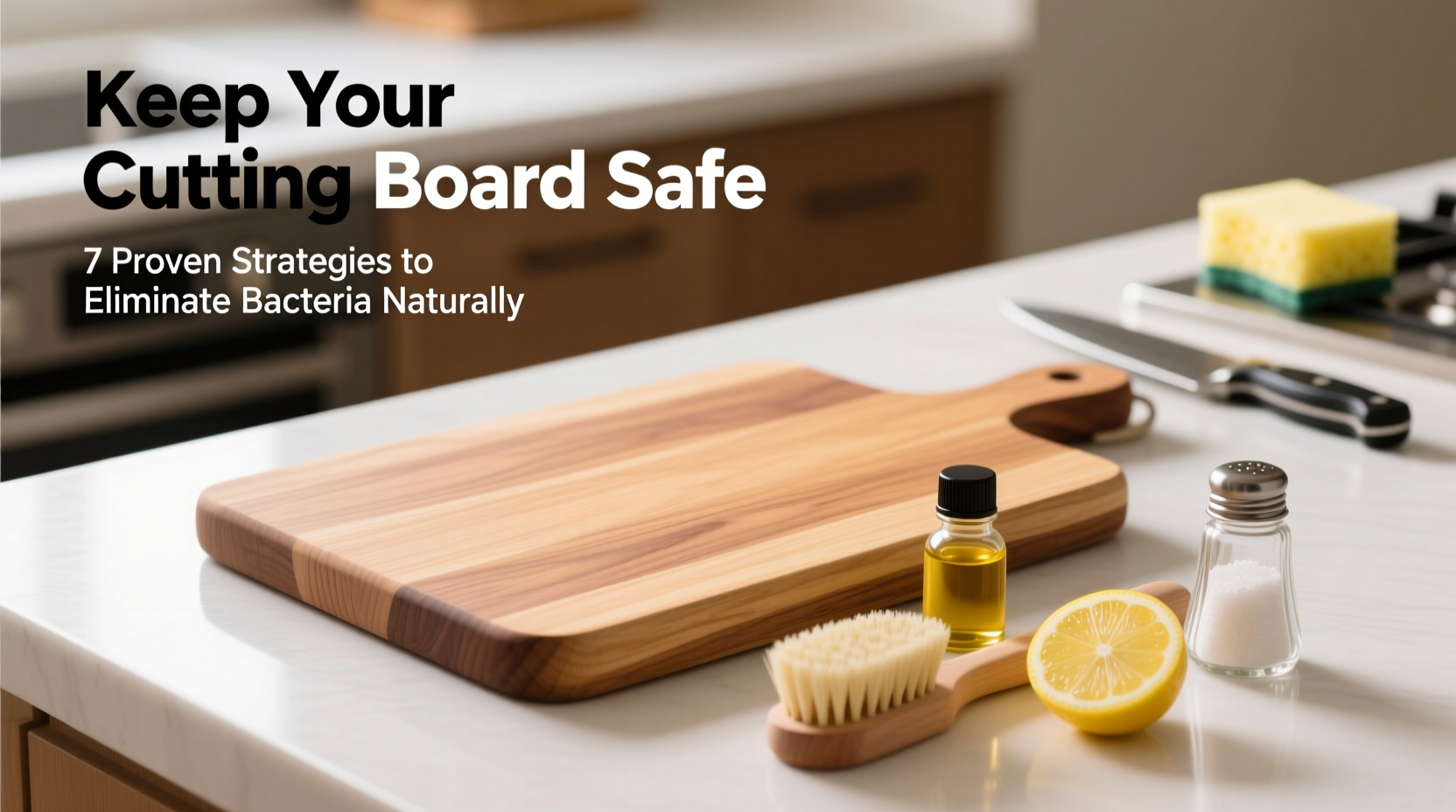
Contrary to common belief, wood cutting boards are not inherently more dangerous than plastic ones. In fact, studies from the University of Wisconsin-Madison have shown that wood surfaces possess natural antibacterial properties. Microscopic pores in the wood draw in moisture and bacteria, where they become trapped and eventually die due to lack of surface access to nutrients.
However, this self-sanitizing effect only works when the board is well-maintained. A neglected or cracked board becomes a breeding ground for pathogens. The real danger isn’t the material—it’s improper cleaning, drying, and storage.
“Wood has inherent antimicrobial qualities, but those benefits vanish without proper hygiene. It’s not about the material—it’s about how you treat it.” — Dr. Anahita Dua, Food Safety Researcher, UC Davis
Step-by-Step Guide to Daily and Deep Cleaning
Cleaning your wood cutting board should be a two-tiered process: daily surface sanitation after each use, and periodic deep conditioning to maintain integrity and cleanliness.
Daily Cleaning Routine
- Rinse immediately: After use, rinse the board under warm running water to remove food particles. Never soak it.
- Scrub with mild soap: Use a soft sponge or brush with a few drops of dish soap. Avoid abrasive pads that scratch the surface.
- Disinfect naturally: Sprinkle coarse salt or baking soda over the surface and scrub with half a lemon. The citric acid helps kill bacteria and deodorize.
- Rinse and dry: Rinse thoroughly and wipe with a clean towel. Stand upright to air-dry completely.
Weekly Deep Clean & Conditioning
- Prepare a sanitizing solution: Mix 1 tablespoon of unscented chlorine bleach per gallon of water.
- Wipe the solution evenly across the board using a clean cloth—do not submerge.
- Let sit for 5 minutes, then rinse thoroughly.
- Dry completely before applying food-grade mineral oil or beeswax conditioner.
Do’s and Don’ts of Cutting Board Care
| Do’s | Don’ts |
|---|---|
| Wash by hand with mild soap and warm water | Soak the board in water or run through the dishwasher |
| Use separate boards for raw meat, produce, and bread | Cut raw chicken and vegetables on the same unwashed surface |
| Store vertically or in a ventilated rack | Store flat on countertops or in damp cabinets |
| Oil monthly with food-grade mineral oil | Use vegetable oils (they turn rancid) |
| Replace if deeply cracked or heavily grooved | Continue using a board with visible splits or mold |
Real Example: How One Home Cook Prevented Cross-Contamination
Sarah, a meal-prep enthusiast in Portland, used the same wood board for everything—from slicing raw salmon to chopping herbs. After a family member fell ill with suspected food poisoning, she consulted a local health educator. She learned that her board, though rinsed daily, was never disinfected and had developed small knife grooves where bacteria could hide.
She implemented a color-coded system: red for meat, green for veggies, brown for bread. She began sanitizing with a vinegar-baking soda spray and conditioning monthly. Within weeks, her kitchen confidence improved—and no one got sick again. Her story underscores a critical point: even diligent rinsing isn’t enough without disinfection and maintenance.
Preventing Mold and Long-Term Damage
Mold appears as dark spots or fuzzy patches and often develops when boards are stored in damp environments or not dried properly. To prevent this:
- Always dry the board completely after washing—ideally within an hour.
- Store in a well-ventilated area, standing upright.
- Avoid placing near sinks or dishwashers where humidity is high.
- If mold appears, scrub with a paste of baking soda and water, rinse, and sanitize with a bleach solution. If the mold persists or penetrates deep into cracks, replace the board.
Regular oiling also plays a preventive role. Dry wood is more likely to crack, creating crevices where moisture and bacteria linger. Conditioning fills the pores and creates a protective barrier.
Checklist: Monthly Maintenance Routine
Stay ahead of bacteria and damage with this simple monthly checklist:
- ✅ Inspect for deep cuts, warping, or discoloration
- ✅ Sanitize with diluted bleach solution (1 tbsp per gallon)
- ✅ Scrub with baking soda and lemon to remove stains and odors
- ✅ Rinse and allow to dry overnight
- ✅ Apply food-grade mineral oil or beeswax conditioner liberally
- ✅ Let oil soak in for at least 4 hours (preferably overnight)
- ✅ Wipe off excess oil before next use
Frequently Asked Questions
Can I use vinegar to sanitize my wood cutting board?
Yes. White vinegar is mildly acidic and effective against many bacteria and molds. Spray full-strength vinegar on the board, let sit for 5–10 minutes, then rinse. While not as potent as bleach, it’s a good natural option for routine disinfection.
How often should I replace my wood cutting board?
With proper care, a quality wood board can last years. Replace it when it shows deep grooves, warping, persistent odors, or any signs of mold that won’t come out with cleaning. Surface scratches are normal; structural damage is not.
Is it safe to use essential oils for cleaning?
Some people add tea tree or thyme oil for extra antimicrobial power, but these are not substitutes for proven sanitizers like bleach or vinegar. Use them sparingly and always dilute. Never rely solely on essential oils for food contact surface disinfection.
Conclusion: Safety Starts With Simple Habits
Keeping your wood cutting board bacteria-free doesn’t require expensive tools or harsh chemicals. It demands consistency, attention to detail, and respect for the material. By washing promptly, disinfecting regularly, drying thoroughly, and conditioning monthly, you preserve both hygiene and longevity. A well-cared-for wood board isn’t just safe—it’s a sustainable, functional centerpiece of a healthy kitchen.




 浙公网安备
33010002000092号
浙公网安备
33010002000092号 浙B2-20120091-4
Comments
No comments yet. Why don't you start the discussion?