
Instant ramen is more than just a college dorm staple or late-night snack—it’s a blank canvas. With minimal effort and ingredients you likely already have in your kitchen, it can be transformed from a salty, one-note meal into something rich, satisfying, and restaurant-worthy. The secret isn’t specialty ingredients or complex techniques. It’s knowing how to elevate the base with smart additions that add depth, texture, and umami.
This guide reveals how to turn basic ramen into a gourmet experience using only three pantry staples: soy sauce, sesame oil, and frozen vegetables. These ingredients are affordable, shelf-stable (or freezer-stable), and work together to create layers of flavor and nutrition. Whether you're cooking for yourself after a long day or want to impress with minimal effort, this method delivers big results without requiring extra shopping.
The Gourmet Upgrade Formula
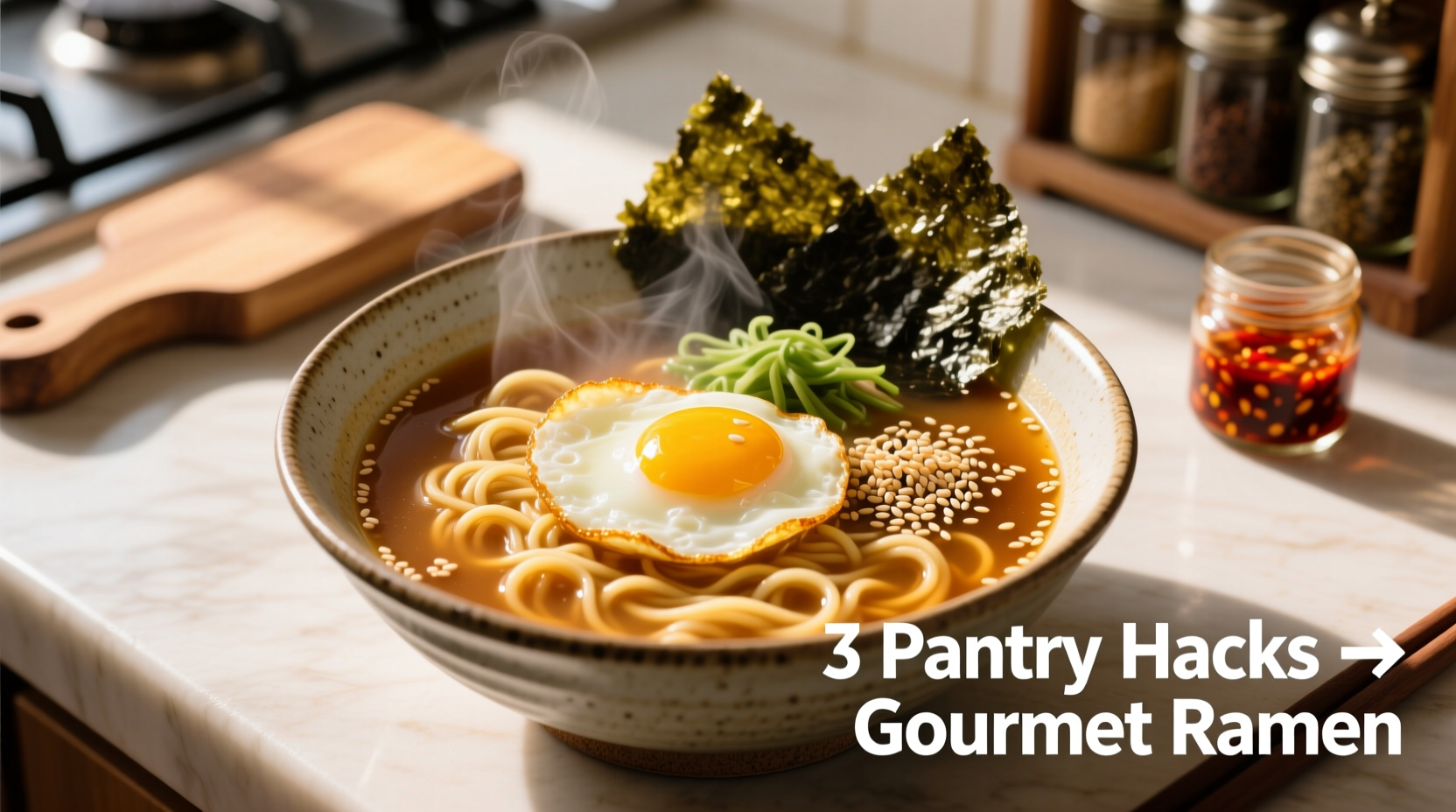
Gourmet food isn't defined by rarity or expense—it's about balance. A great bowl of ramen includes savory depth, aromatic richness, textural contrast, and visual appeal. The seasoning packet in most instant ramen provides salt and MSG-driven flavor, but lacks complexity. That’s where pantry upgrades come in.
Soy sauce contributes umami and a subtle sweetness, enhancing the broth without overpowering it. Sesame oil adds nutty aroma and richness, mimicking the toasted oil drizzles found in high-end ramen shops. Frozen vegetables bring color, nutrients, and heartiness, turning a carb-heavy meal into something more balanced.
Together, these three ingredients transform instant ramen from processed convenience to a dish that feels intentional and nourishing. The best part? No special tools, no prep time, and no cleanup beyond your usual pot and spoon.
Step-by-Step Guide to Gourmet Ramen
Follow this simple sequence to build a deeply flavorful ramen bowl in under 15 minutes. The key is layering flavors at the right moment.
- Boil the noodles in water according to package instructions (usually 3–4 minutes). Do not discard the water yet.
- Add frozen vegetables during the last 2 minutes of cooking. Peas, carrots, corn, or stir-fry blends work perfectly—they thaw quickly and absorb flavor from the broth.
- Drain and reserve ½ cup of noodle water. This starchy liquid helps emulsify the sauce and enrich the broth later.
- Return noodles and veggies to the pot over low heat. Add the seasoning packet from the ramen.
- Pour in 1 tablespoon of soy sauce and 1 teaspoon of toasted sesame oil. Stir well to coat.
- Add reserved noodle water gradually, stirring until the sauce becomes glossy and clings to the noodles.
- Taste and adjust: More soy sauce for depth, more sesame oil for aroma, or a splash of hot sauce for heat.
- Serve immediately, ideally in a warm bowl to keep the temperature consistent.
For an even more elevated finish, top with a soft-boiled egg, sliced green onions, or crushed peanuts—all optional, but highly recommended if available.
Why These 3 Ingredients Work So Well
Each of the three core ingredients plays a distinct role in building a gourmet profile. Understanding their function allows you to adapt the method to other dishes or substitute based on what you have.
| Ingredient | Flavor Role | Functional Benefit | Substitution Options |
|---|---|---|---|
| Soy Sauce | Umami, saltiness, slight sweetness | Deepens broth, balances MSG from seasoning | Coconut aminos, tamari, fish sauce (use less) |
| Toasted Sesame Oil | Nutty, aromatic, rich | Adds mouthfeel and fragrance; coats noodles evenly | Chili oil, garlic-infused oil, truffle oil (for variation) |
| Frozen Vegetables | Subtle sweetness, freshness | Boosts nutrition, adds texture, stretches portion | Canned beans, kimchi, spinach (add at end) |
When combined, these elements address the major weaknesses of plain instant ramen: flat flavor, greasy texture, and nutritional imbalance. The result is a bowl that tastes like it came from a specialty shop, not a $0.30 packet.
“Umami synergy is real—soy sauce and ramen seasoning amplify each other when balanced correctly. It’s a chef’s trick used in ramen bars worldwide.” — Chef Marcus Lin, Culinary Instructor at Pacific Rim Cooking School
Real-Life Example: From Desk Lunch to Dinner Party Worthy
Sarah, a graphic designer in Portland, used to eat plain ramen three times a week during freelance crunch periods. “It was fast, but I always felt sluggish afterward,” she said. After learning this method from a friend, she started adding soy sauce and sesame oil to her midday meal—and kept the same pot for dinner guests.
“I made it for my book club, topped each bowl with a jammy egg and scallions. Everyone thought I’d ordered from a Japanese restaurant. One friend asked for the recipe immediately.”
The transformation wasn’t just culinary—it changed how Sarah viewed convenience food. “I realized I didn’t need to choose between speed and quality. Now I feel good about what I’m eating, even on my busiest days.”
Pro Tips for Maximum Flavor and Flexibility
While the base formula works every time, small tweaks can take your ramen further. Here are expert-backed adjustments to try once you’ve mastered the basics.
- Bloom the oil: Heat the sesame oil gently in the pot before adding noodles. This intensifies its aroma.
- Use the sauce first: Mix soy sauce and sesame oil in the empty pot before adding cooked noodles. This ensures even distribution.
- Don’t skip the starchy water: It’s essential for creating a silky, cohesive sauce that doesn’t pool at the bottom.
- Vary your veg: Rotate frozen blends—stir-fry mix, broccoli and cauliflower, or Asian-style slaw—to keep things interesting.
- Double the batch: Cook extra and store in a sealed container for up to 2 days. Reheat with a splash of water to revive texture.
Common Mistakes to Avoid
Even simple recipes can go wrong if fundamentals are ignored. Watch out for these pitfalls:
| Mistake | Why It Hurts the Dish | How to Fix It |
|---|---|---|
| Adding all ingredients at once | Flavors don’t layer; oil floats, soy sauce burns | Add soy sauce and oil at the end over low heat |
| Using too much sesame oil | Overpowering bitterness; greasy mouthfeel | Stick to 1 tsp per serving; increase aroma, not volume |
| Overcooking vegetables | Mushy texture, loss of color and nutrients | Add frozen veggies in the last 2 minutes only |
| Discarding all cooking water | Loses starch needed for sauce cohesion | Reserve ½ cup before draining |
FAQ: Your Instant Ramen Questions, Answered
Can I use this method with any brand of instant ramen?
Absolutely. Whether it’s Top Ramen, Maruchan, Nissin, or a premium brand like Nongshim, the technique works universally. Spicy varieties benefit especially from the balancing effect of soy sauce and vegetables.
Is frozen produce as nutritious as fresh?
Yes—in many cases, it’s more nutritious. Frozen vegetables are typically blanched and flash-frozen at peak ripeness, preserving vitamins. Fresh produce can lose nutrients during transport and storage. For pantry-based cooking, frozen is a smart, sustainable choice.
Can I make this vegetarian or vegan?
Easily. Most instant ramen noodles are plant-based (check packaging to confirm), and the seasoning packets in many brands contain no animal products. To ensure a fully vegan bowl, verify that the seasoning doesn’t include dairy or meat extracts. The soy sauce, sesame oil, and vegetables are naturally vegan.
Checklist: Build Your Gourmet Ramen in 5 Minutes
Keep this checklist handy for quick reference whenever you’re ready to upgrade your ramen game.
- ☐ Gather: instant ramen, soy sauce, sesame oil, frozen vegetables
- ☐ Boil noodles, add frozen veggies in last 2 minutes
- ☐ Drain, reserving ½ cup starchy water
- ☐ Return to pot with seasoning packet
- ☐ Stir in 1 tbsp soy sauce and 1 tsp sesame oil
- ☐ Add reserved water gradually until glossy
- ☐ Taste and adjust seasoning
- ☐ Serve hot, optionally topped with egg or herbs
Conclusion: Elevate the Everyday
Great meals don’t require expensive ingredients or hours in the kitchen. Sometimes, all it takes is three humble pantry items to transform something ordinary into something memorable. By understanding how flavor layers work—umami from soy sauce, richness from sesame oil, freshness from vegetables—you gain the power to improve not just ramen, but countless other quick meals.
This method is more than a recipe. It’s a mindset: that convenience and quality aren’t mutually exclusive. With a little intention, even the simplest foods can nourish both body and spirit.




 浙公网安备
33010002000092号
浙公网安备
33010002000092号 浙B2-20120091-4
Comments
No comments yet. Why don't you start the discussion?