
The common cold is an unwelcome guest—sneezing, congestion, sore throat, and fatigue can derail your routine in days. While no cure exists, the body’s immune system can clear the virus efficiently with the right support. Instead of relying solely on over-the-counter medications, many effective natural strategies can reduce symptom severity, shorten recovery time, and help you feel better faster. These methods are rooted in physiology, hydration science, nutrition, and restorative practices that empower your immune response.
Prioritize Rest and Sleep Quality
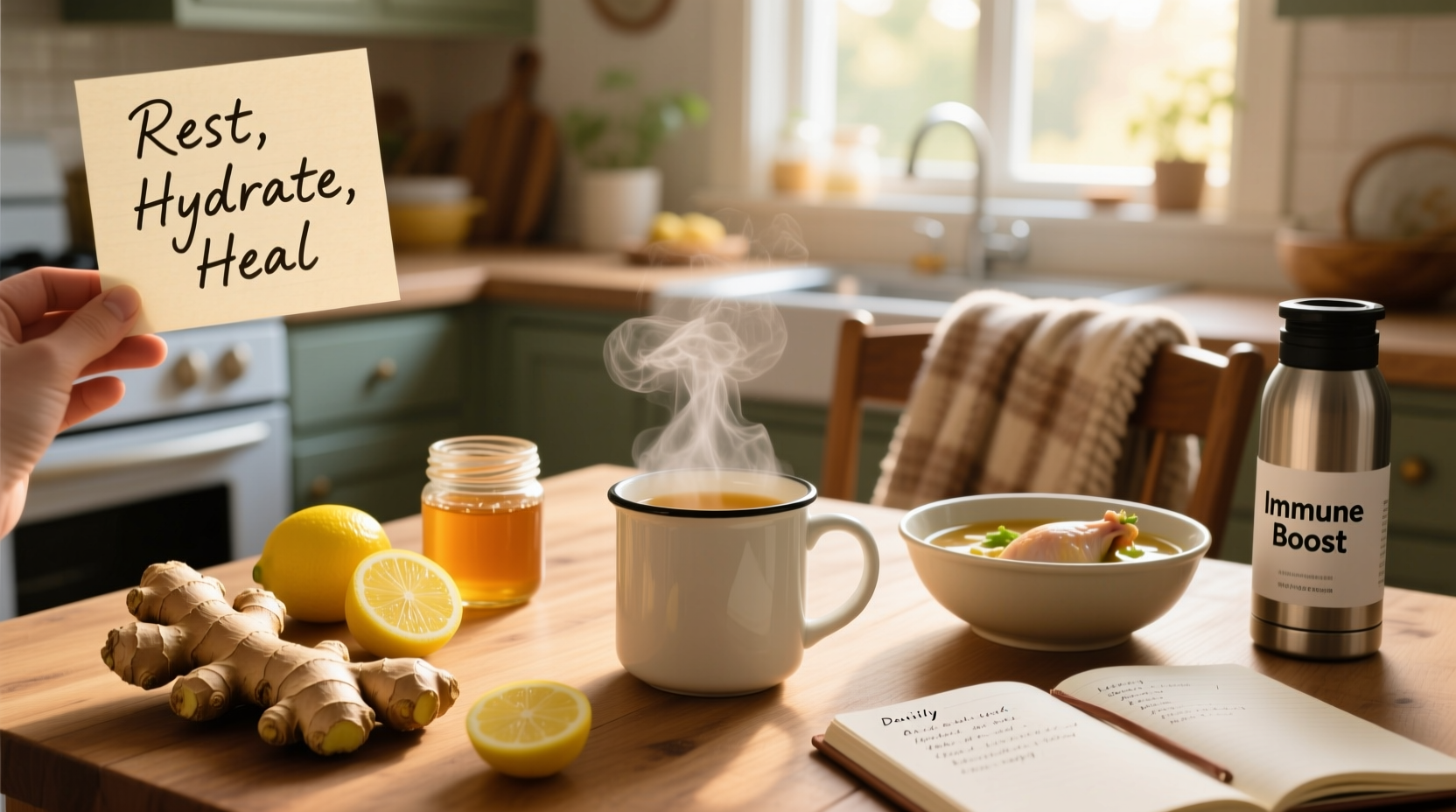
One of the most overlooked yet powerful tools in fighting a cold is high-quality sleep. During sleep, your body produces cytokines—proteins that regulate immunity and inflammation—many of which are crucial for fighting infections. Lack of sleep suppresses these defenses, prolonging illness.
When you’re sick, your brain signals fatigue for a reason: it’s redirecting energy to immune function. Pushing through work or late-night screen time delays healing. Aim for 8–10 hours of uninterrupted sleep per night while recovering. Maintain a cool, dark room and consider adding white noise or herbal teas like chamomile to improve sleep depth.
Hydrate Strategically with Immune-Supportive Fluids
Dehydration worsens cold symptoms like headache, fatigue, and mucus thickness. Staying well-hydrated keeps mucous membranes moist, helping your body expel viruses more efficiently. But not all fluids are equal when fighting a cold.
Water remains essential, but adding electrolytes and nutrients enhances effectiveness. Warm broths, herbal infusions, and lemon-honey water provide both hydration and symptom relief. Avoid alcohol and excessive caffeine, which dehydrate and impair immune function.
| Fluid | Benefits | Frequency (While Sick) |
|---|---|---|
| Warm bone broth | Rich in amino acids, supports gut immunity, soothes throat | 2–3 cups daily |
| Lemon-ginger tea | Antioxidants, anti-inflammatory, aids digestion | 3–4 cups daily |
| Coconut water | Natural electrolytes, potassium-rich | 1–2 servings daily |
| Plain water | Maintains fluid balance, flushes toxins | At least 8 glasses |
Nutrition That Fuels Immunity
Your diet during a cold should focus on nutrient-dense, anti-inflammatory foods. The saying “feed a cold” holds truth—not with junk food, but with immune-enhancing ingredients.
Vitamin C from citrus, bell peppers, and kiwi supports white blood cell function. Zinc, found in pumpkin seeds, lentils, and chickpeas, can reduce the duration of colds when taken early. Garlic contains allicin, a compound shown to enhance immune cell response. Fermented foods like sauerkraut and plain yogurt support gut health, where 70% of your immune system resides.
“Nutrition is not just about sustenance—it’s information for your immune cells. What you eat during illness directly influences how fast you recover.” — Dr. Lena Patel, Integrative Immunologist
Simple Cold-Fighting Meal Ideas
- Scrambled eggs with spinach and garlic on whole grain toast
- Oatmeal topped with sliced banana, chia seeds, and a dash of cinnamon
- Steamed chicken and vegetable soup with turmeric and ginger
- Smoothie with Greek yogurt, blueberries, flaxseed, and a spoon of honey
Use Natural Remedies with Proven Benefits
Certain herbs and home-based treatments have stood the test of time—and science—for reducing cold symptoms.
Honey, particularly raw and local, has antimicrobial and soothing properties. A 2020 Cochrane review confirmed that honey reduces cough frequency and severity better than placebo and some commercial syrups. Gargling with warm salt water loosens mucus and may reduce throat inflammation by drawing out excess fluid from swollen tissues.
Steam inhalation with essential oils like eucalyptus or thyme can ease nasal congestion. Add 2–3 drops to a bowl of hot water, cover your head with a towel, and breathe deeply for 5–10 minutes. Do this twice daily, especially before bed.
Step-by-Step Recovery Timeline (First 72 Hours)
- Hour 0–12: At first sign of symptoms (scratchy throat, fatigue), increase fluid intake, begin zinc supplementation (15–30 mg), and go to bed early.
- Day 1: Stay home. Consume warm broths, herbal teas, and light meals rich in vitamin C. Use saline nasal spray if congested. Gargle with salt water every 3–4 hours.
- Day 2: Continue hydration and rest. Add steam inhalation twice daily. Monitor symptoms—fever above 101.5°F or worsening pain may require medical evaluation.
- Day 3: Reassess. If improving, gradually resume light activity. If no change or worsening, consider consulting a healthcare provider.
Avoid Common Mistakes That Prolong Illness
Many people unknowingly extend their colds by ignoring key lifestyle factors. Here are frequent missteps and what to do instead:
| Mistake | Why It Slows Recovery | Better Alternative |
|---|---|---|
| Pushing through work or exercise | Stress hormones suppress immune activity | Rest fully for first 2–3 days |
| Consuming sugar-heavy foods | Sugar impairs white blood cell function | Eat whole grains, fruits, and lean proteins |
| Skipping meals due to loss of appetite | Starvation weakens immune response | Small, frequent nutrient-rich snacks |
| Overusing decongestant sprays | Can cause rebound congestion after 3 days | Use saline sprays or steam instead |
Real Example: How Sarah Cut Her Cold Short
Sarah, a 34-year-old teacher, felt a tickle in her throat on Monday morning. Instead of ignoring it, she took immediate action. She canceled afternoon plans, drank ginger-lemon tea with honey, started zinc lozenges, and went to bed by 9 p.m. She sipped broth throughout Tuesday and used steam inhalation twice daily. By Wednesday evening, her symptoms had significantly improved. Most of her colleagues who got sick that week lasted 6–7 days; Sarah was back to near-normal in 4. Her proactive approach made the difference.
Frequently Asked Questions
Can vitamin C prevent or cure a cold?
Vitamin C doesn’t prevent colds in most people, but regular intake may slightly reduce duration. Taking high doses *after* symptoms start has limited effect. Better to maintain consistent levels through diet year-round.
Is it safe to exercise with a cold?
If symptoms are above the neck (runny nose, mild sore throat) and you feel up to it, light walking is okay. But if you have chest congestion, fever, or body aches, rest completely. Exercising under stress can delay recovery.
How long does a typical cold last?
Most colds resolve within 7–10 days. Symptoms usually peak around day 2–3. Lingering coughs can last up to two weeks and are normal as long as they’re improving.
Take Control of Your Recovery
Nature provides powerful tools to fight the common cold—rest, hydration, nutrition, and mindful self-care. You don’t need expensive supplements or medications to recover faster. What matters most is listening to your body and supporting it wisely from the first warning signs. Small, consistent actions make a significant difference in how quickly you bounce back.




 浙公网安备
33010002000092号
浙公网安备
33010002000092号 浙B2-20120091-4
Comments
No comments yet. Why don't you start the discussion?