
Swelling in the hands, feet, and ankles is a common experience for many expectant mothers, especially during the second and third trimesters. Known medically as edema, this fluid retention occurs due to increased blood volume, hormonal shifts, and pressure from the growing uterus on pelvic veins. While mild swelling is normal and typically harmless, excessive or sudden fluid buildup can be uncomfortable and, in some cases, signal underlying complications like preeclampsia. Fortunately, most women can manage and reduce fluid retention through natural, everyday strategies that support circulation, kidney function, and overall well-being.
Understanding Fluid Retention in Pregnancy
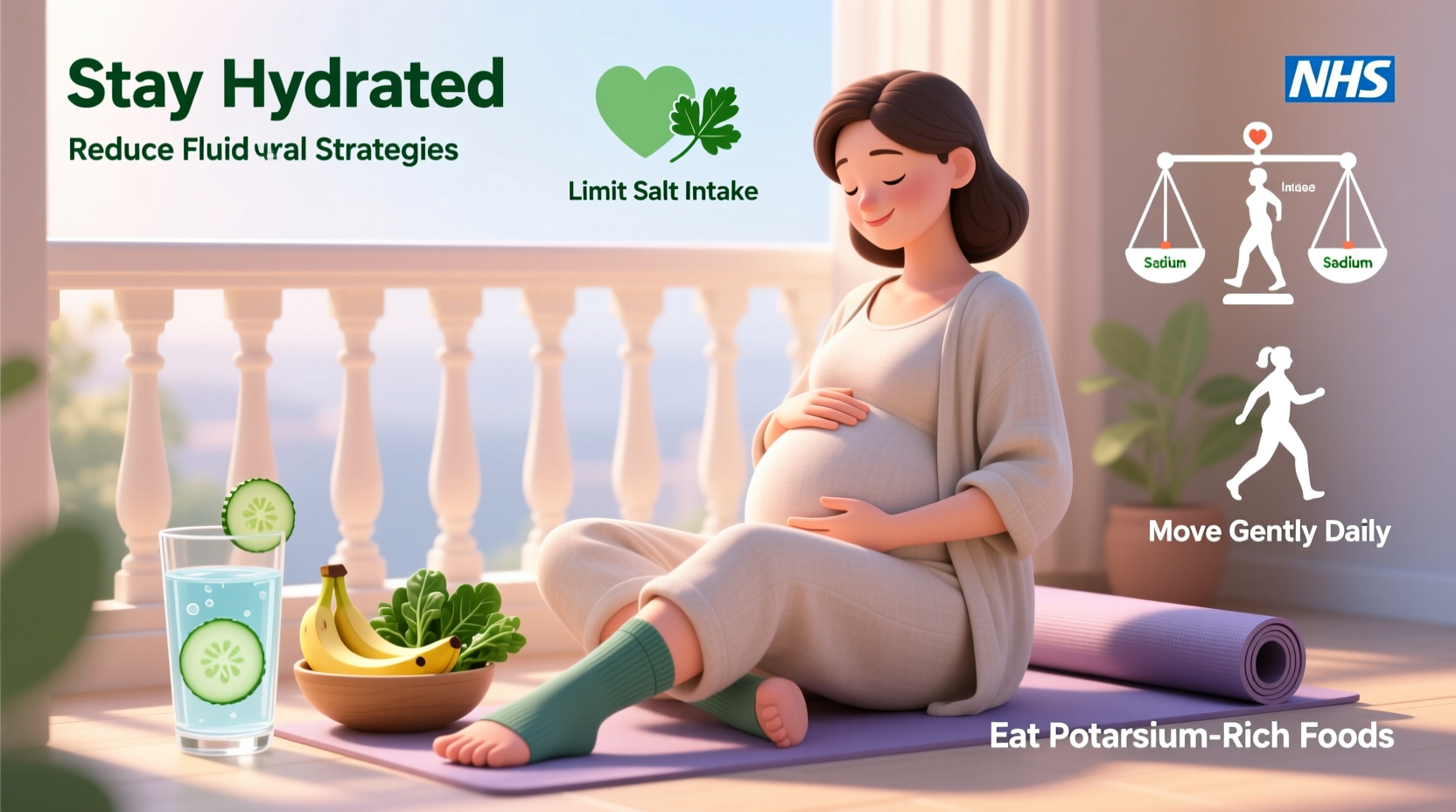
During pregnancy, the body produces about 50% more blood and bodily fluids to meet the needs of both mother and baby. This increase supports the expansion of the uterus, amniotic fluid production, and placental development. However, it also places added pressure on blood vessels, particularly in the lower extremities, leading to fluid leakage into surrounding tissues—most commonly seen in the legs and feet.
Hormonal changes, especially elevated levels of progesterone and estrogen, contribute to water retention by affecting how the kidneys handle sodium and water. Additionally, reduced physical activity, prolonged standing or sitting, and warm weather can exacerbate the issue.
“While some degree of swelling is expected, persistent or asymmetric swelling—especially when accompanied by high blood pressure or headaches—should prompt immediate medical evaluation.” — Dr. Lena Torres, OB-GYN Specialist
Nutrition-Based Strategies to Reduce Fluid Buildup
Diet plays a central role in managing fluid balance. Contrary to what some may assume, restricting water intake worsens retention. Instead, a balanced diet rich in potassium, low in processed sodium, and well-hydrated helps regulate electrolyte levels and supports healthy circulation.
Potassium-rich foods help counteract sodium’s effects by promoting sodium excretion through urine. Incorporating bananas, sweet potatoes, spinach, avocados, and oranges into meals can make a noticeable difference over time.
- Limit processed and packaged foods high in hidden sodium (e.g., canned soups, deli meats, frozen meals).
- Avoid adding extra salt at the table; use herbs and spices like garlic, turmeric, and lemon juice for flavor.
- Eat smaller, frequent meals to prevent bloating and sluggish digestion.
- Include magnesium-rich foods such as almonds, pumpkin seeds, and dark leafy greens, which may help reduce water retention.
Foods That Help vs. Hinder Fluid Balance
| Foods to Include | Foods to Limit or Avoid |
|---|---|
| Cucumbers, celery, watermelon (natural diuretics) | Fast food and fried snacks |
| Coconut water (rich in potassium and electrolytes) | Salty cheeses and cured meats |
| Herbal infusions like dandelion tea (consult doctor first) | Sugary sodas and energy drinks |
| Lean proteins and whole grains | High-sodium condiments (soy sauce, ketchup) |
Movement and Circulation: The Role of Physical Activity
Sedentary behavior contributes significantly to fluid pooling in the lower limbs. Gentle movement encourages venous return—the flow of blood back to the heart—and reduces hydrostatic pressure in the legs.
Walking for 20–30 minutes daily is one of the most effective and accessible ways to improve circulation. Other beneficial activities include prenatal yoga, swimming, and stationary cycling—all low-impact exercises that minimize joint strain while boosting cardiovascular health.
Even small movements throughout the day matter. If your job involves long periods of sitting or standing, take short breaks every hour to stretch your calves, rotate your ankles, or walk in place.
Simple Daily Movement Routine
- Every hour: Stand up and march in place for 1 minute.
- Perform ankle circles—10 clockwise, 10 counterclockwise—while seated.
- Do gentle calf raises: Rise onto toes, then slowly lower heels.
- Practice seated leg extensions to engage thigh muscles.
- End the day with legs elevated above heart level for 15–20 minutes.
Supportive Lifestyle Adjustments
Beyond diet and exercise, several lifestyle habits influence fluid dynamics during pregnancy. Simple environmental and behavioral changes can yield meaningful results.
Compression stockings are a widely recommended tool for reducing leg swelling. These specially designed socks apply graduated pressure—tightest at the ankle, gradually decreasing up the calf—to prevent blood and fluid from pooling. They’re especially helpful for those who stand for long periods or travel frequently.
Posture matters too. Avoid crossing your legs while sitting, as this restricts circulation. When lying down, shift to your left side to relieve pressure on the inferior vena cava, the major vein returning blood to the heart.
Fluid Retention Management Checklist
- ✔ Drink adequate water daily (8–10 glasses)
- ✔ Eat potassium-rich fruits and vegetables
- ✔ Minimize processed and salty foods
- ✔ Walk or move for 20+ minutes each day
- ✔ Elevate legs when resting
- ✔ Wear maternity compression socks
- ✔ Avoid tight clothing around wrists, ankles, or waist
- ✔ Monitor swelling patterns and report sudden changes to your provider
Real Experience: Managing Swelling During a Busy Workweek
Sophia, a 32-year-old graphic designer in her third trimester, noticed increasing foot swelling after long days at her desk. Despite drinking water, she felt frustrated when her shoes no longer fit by mid-afternoon. After consulting her midwife, she implemented a few key changes: wearing low-compression maternity socks, setting a phone reminder to walk every hour, and swapping her afternoon chips for cucumber slices and hummus.
Within five days, she reported less end-of-day tightness in her rings and improved comfort in her footwear. “I didn’t realize how much my lunchtime snack was contributing,” she said. “Now I plan my meals ahead and keep a water bottle at my desk. It’s made a real difference.”
When to Seek Medical Attention
While mild edema is typical, certain symptoms require prompt evaluation. Sudden or severe swelling—particularly in the face, hands, or one leg—can indicate preeclampsia or deep vein thrombosis (DVT), both of which demand urgent care.
Monitor for these red flags:
- Swelling that doesn’t improve with rest or elevation
- Shortness of breath or chest pain
- Headaches unrelieved by rest
- Visual disturbances (blurriness, spots)
- Abdominal pain, especially upper right quadrant
“Pregnancy-related swelling should be symmetrical and gradual. Rapid onset or localized swelling isn’t something to wait out—it could be a sign of a serious condition.” — Dr. Alan Reeves, Maternal-Fetal Medicine Specialist
FAQ: Common Questions About Fluid Retention in Pregnancy
Is it safe to use herbal teas for water retention?
Some herbal teas, like dandelion root, have natural diuretic properties. However, not all herbs are safe during pregnancy. Always consult your healthcare provider before consuming any herbal supplement or tea, as certain ingredients may stimulate uterine contractions or affect hormone levels.
Why do I swell more at the end of the day?
Gravity causes fluid to accumulate in the lower extremities during prolonged standing or sitting. Heat, fatigue, and increased daytime activity also contribute. Elevating your legs and staying hydrated can help reverse this pattern overnight.
Can dehydration cause more swelling?
Yes. When the body senses low fluid levels, it triggers water-conserving mechanisms, leading to increased sodium retention and reduced urine output. This paradoxically promotes fluid buildup in tissues. Staying consistently hydrated helps the kidneys flush excess sodium and fluid efficiently.
Take Action for Comfort and Confidence
Managing fluid retention during pregnancy doesn’t require drastic measures. Small, consistent choices—drinking enough water, choosing whole foods, moving regularly, and supporting circulation—add up to significant relief. By tuning into your body’s signals and adopting sustainable habits, you can reduce discomfort and focus on enjoying this transformative phase with greater ease.




 浙公网安备
33010002000092号
浙公网安备
33010002000092号 浙B2-20120091-4
Comments
No comments yet. Why don't you start the discussion?