
Cat owners know the joy of sharing a home with a feline companion—but they also know the frustration of finding tiny clumps of litter scattered across hardwood, carpet, and tile. While cats are naturally clean animals, their litter often isn’t. Litter tracking—when granules stick to paws and fur and get carried outside the box—is one of the most common household nuisances for pet parents. The good news is that with thoughtful choices and consistent routines, you can significantly reduce or even eliminate this issue. From selecting the right litter to optimizing placement and maintenance, these proven strategies will help keep your home cleaner and your cat more comfortable.
Choose the Right Type of Cat Litter
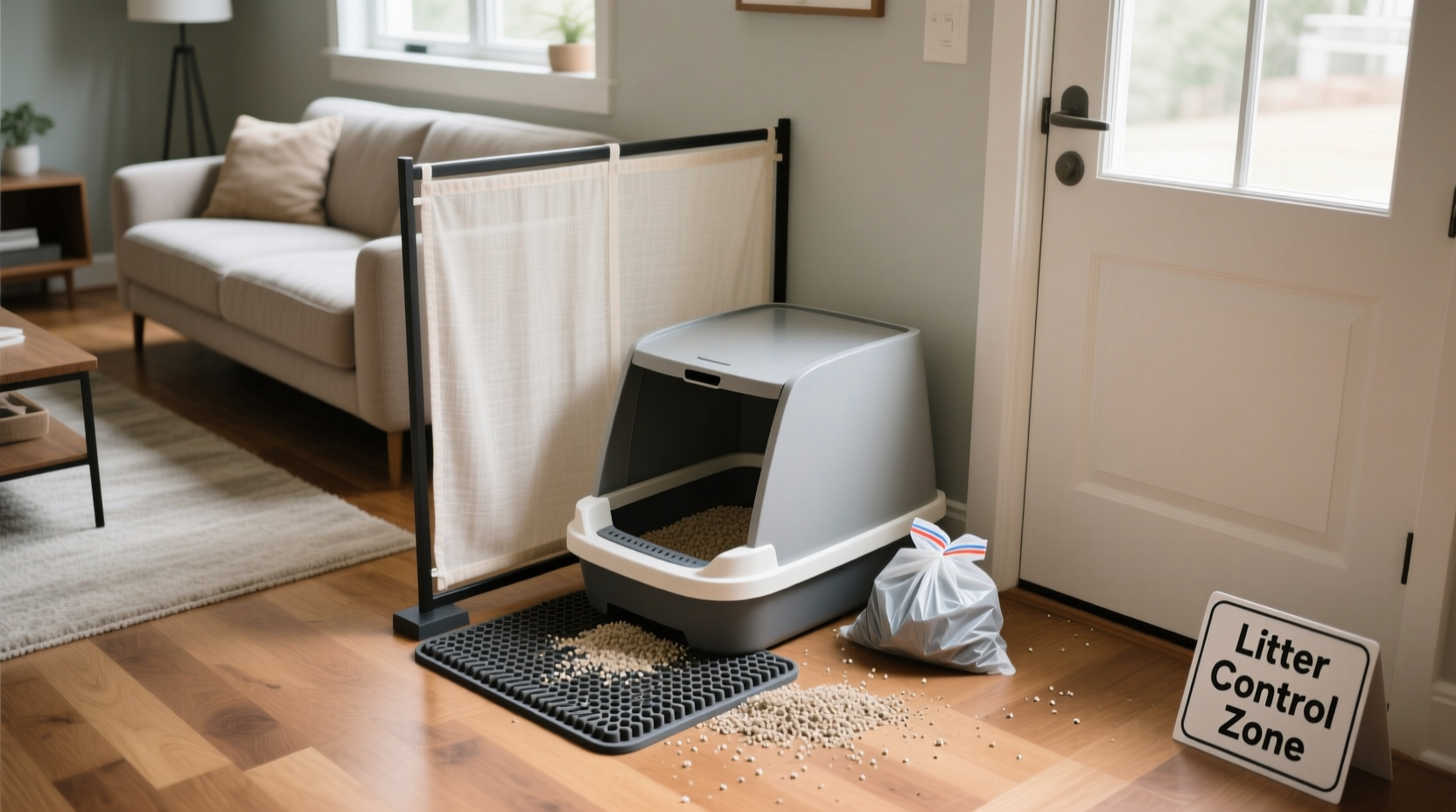
The foundation of minimizing litter spread starts with the product itself. Not all litters behave the same way when kicked or stepped on. Some are lightweight and prone to sticking to damp paws, while others are denser and less likely to scatter.
- Clay-based clumping litter: Often heavier and less dusty, making it less likely to be tracked. However, some varieties can be dusty, which may contribute to airborne particles.
- Silica gel crystals: Highly absorbent and produce minimal dust, but their larger size can still lead to tracking if not contained properly.
- Plant-based litters (corn, wheat, pine): Biodegradable and low-dust, but some are lighter in weight and more prone to being kicked out.
- Walnut or paper-based litters: Naturally heavy and less likely to stick to paws, making them excellent for reducing tracking.
Optimize Litter Box Placement and Design
Where you place the litter box and what kind of box you use directly impact how much litter ends up on your floor. A poorly placed or undersized box encourages cats to dig aggressively, increasing the chances of litter being flung outward.
Position the litter box in a quiet, low-traffic area with easy access—but avoid corners where walls trap litter. Ideally, there should be space around all sides for your cat to enter and exit cleanly.
Litter Box Types That Help Reduce Spread
| Type | Tracking Reduction | Best For |
|---|---|---|
| Top-entry boxes | High | Cats who don’t mind climbing; prevents side kicking |
| Boxes with high sides | Medium-High | Active diggers; contains side scatter |
| Open trays | Low | Cats who prefer visibility; poor containment |
| Double-box systems | Very High | Homes with severe tracking issues; includes outer tray |
“Cats that feel safe and unobserved during elimination are less likely to over-dig, which reduces litter dispersion.” — Dr. Lena Torres, Feline Behavior Specialist
Use Litter Trays and Mats Strategically
A high-quality litter mat placed directly under and around the litter box is one of the most effective tools for catching stray granules. These mats work by trapping litter between ridges or pulling it off paws as the cat walks away.
Rubber lattice mats with deep grooves are particularly effective because they allow waste to fall through while holding onto clean litter. Alternatively, long-fiber coir mats provide natural texture that helps dislodge particles without being abrasive to sensitive paw pads.
Step-by-Step Guide: Setting Up an Anti-Tracking Station
- Place the litter box on a flat, stable surface.
- Select a mat at least 36 inches long to ensure full coverage as your cat exits.
- Position the mat so it extends fully in front of the box’s exit point.
- Shake or vacuum the mat weekly to remove trapped litter.
- Consider placing a second shallow tray behind the box if your cat tends to back out after digging.
Implement a Grooming and Paw Routine
Long-haired cats are especially prone to carrying litter in their fur, particularly around the hind legs and underbelly. Regular grooming removes loose hair and prevents litter from clinging to tangled coats.
Brush your cat at least 2–3 times per week, focusing on areas where litter accumulates. For cats with very long fur, consider a professional trim around the rear to minimize contact with the litter box contents.
Some owners gently wipe their cat’s paws with a damp cloth after use, though this should be done carefully to avoid stressing the animal. Never force a cat to have its paws cleaned—it can create negative associations with the litter box.
Mini Case Study: Reducing Tracking in a Multi-Cat Home
The Rivera family had three cats and struggled with litter spread throughout their open-concept apartment. Despite using a standard plastic tray, litter was consistently found near the kitchen and living room. After switching to walnut-based litter and installing top-entry boxes with rubber catch mats, they reduced visible tracking by over 80% within two weeks. They also added a second mat behind each box since one cat had a habit of backing out. Combined with bi-weekly brushing, the improvement was dramatic—and the cats adapted quickly to the new setup.
Establish a Maintenance Checklist
Consistent upkeep plays a crucial role in controlling litter spread. A neglected box encourages cats to dig deeper or leave waste uncovered, increasing the chance of mess. Follow this checklist to maintain cleanliness and discourage tracking behavior.
Weekly Anti-Litter Tracking Checklist
- ✅ Empty and clean litter mats (shake, vacuum, or rinse).
- ✅ Trim fur around your cat’s paws if needed.
- ✅ Wipe down surrounding floor areas with a damp microfiber cloth.
- ✅ Check litter level—keep it between 2–3 inches deep to reduce excessive digging.
- ✅ Inspect litter box for cracks or wear that could contribute to spillage.
- ✅ Rotate or replace deodorizing mats if odor builds up.
Frequently Asked Questions
Does covered litter box reduce litter spread?
Covered boxes can help contain side scatter, but they may increase tracking if the only exit is narrow and lacks a mat. Some cats also kick more aggressively in enclosed spaces due to feeling trapped. If using a cover, ensure adequate ventilation and place a large mat at the entrance.
Can I train my cat not to track litter?
You can't completely train a cat not to step in litter, but you can influence behavior through environment design. Using heavier litter, proper mats, and well-placed boxes minimizes the need for behavioral correction. Most cats will adapt naturally to a cleaner system once it's established.
How often should I change the litter box entirely?
Full replacement of the box every 6–12 months is recommended, depending on material and wear. Cracks and scratches harbor bacteria and odors, which may cause your cat to over-dig or avoid the box altogether, leading to more mess.
Final Thoughts and Call to Action
Preventing cat litter from spreading isn’t about perfection—it’s about smart systems. By combining the right litter, strategic box placement, effective mats, and regular maintenance, you can reclaim your floors without compromising your cat’s comfort. These changes don’t require expensive gadgets or drastic lifestyle shifts. Instead, they rely on observation, consistency, and a little creativity. Start with one or two adjustments—like adding a quality mat or switching to a denser litter—and build from there. Your cat will adapt, and you’ll notice the difference within days.




 浙公网安备
33010002000092号
浙公网安备
33010002000092号 浙B2-20120091-4
Comments
No comments yet. Why don't you start the discussion?