
Fur matting under a pet’s collar is more than just an aesthetic issue—it can lead to discomfort, skin irritation, and even infections if left unaddressed. This common problem affects dogs and cats alike, especially those with medium to long coats or sensitive skin. The friction from the collar, combined with trapped moisture and debris, creates the perfect environment for tangles and mats to form. Fortunately, with consistent care and smart preventive practices, you can keep the area around your pet’s collar clean, healthy, and mat-free.
Understanding Why Fur Mats Form Under Collars
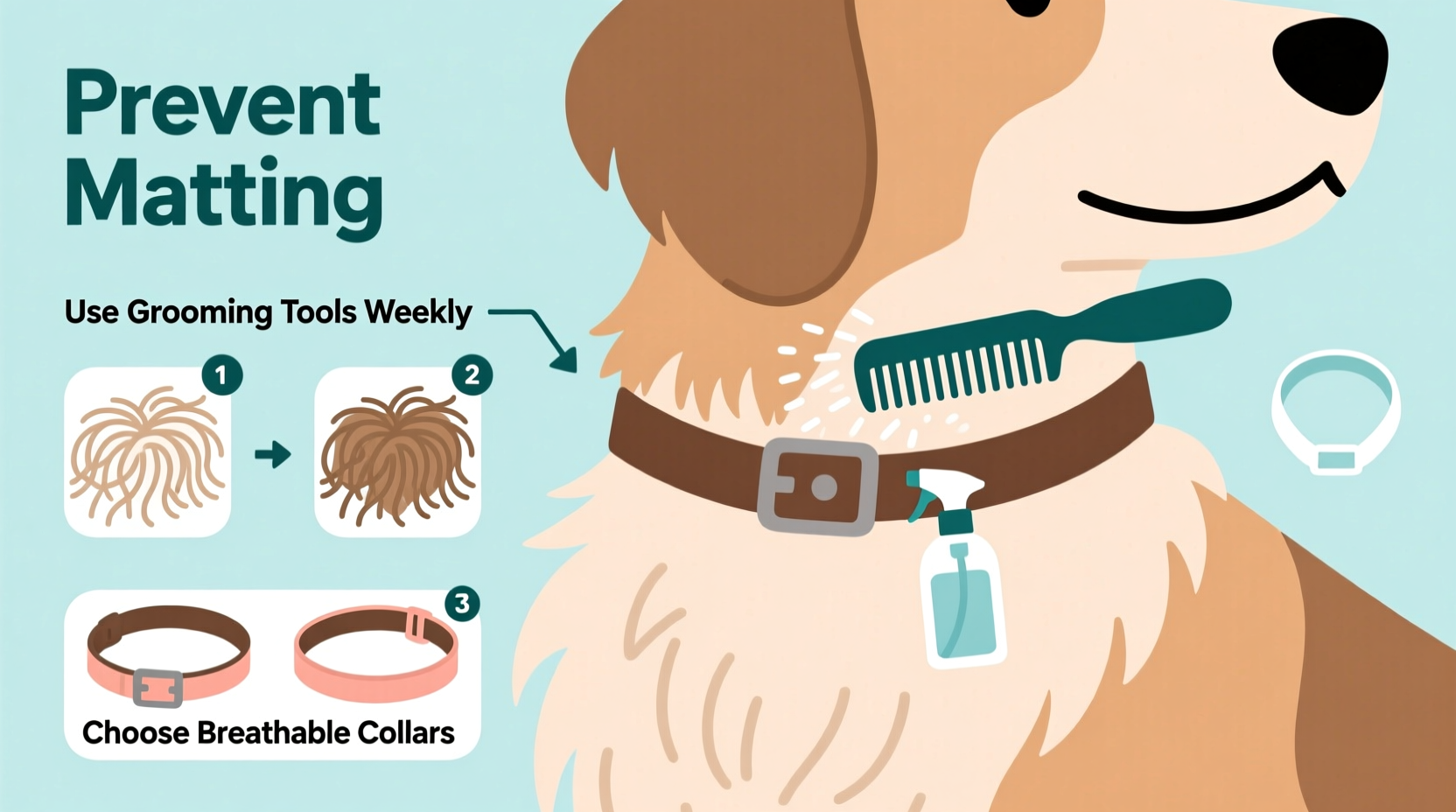
Mats develop when loose hairs tangle and bind together, often exacerbated by environmental factors like humidity, dirt, sweat, and lack of grooming. The area beneath a collar is particularly vulnerable because it’s a high-friction zone. When a collar rubs against the coat throughout the day, individual strands get twisted and pulled, increasing the likelihood of knotting. Pets that swim, play in grass, or spend time outdoors are at higher risk due to increased exposure to moisture and plant matter.
Additionally, ill-fitting collars—either too tight or too loose—can worsen the issue. A collar that’s too tight restricts airflow and traps moisture, while one that shifts excessively causes constant rubbing. Breeds with dense undercoats, such as Huskies, Golden Retrievers, or Persians, are especially prone to matting in this area.
“Matting under the collar isn’t just about appearance—it’s a welfare concern. Persistent mats can pull on the skin, cause sores, and make pets reluctant to wear their collars.” — Dr. Lena Torres, DVM, Veterinary Dermatology Specialist
Step-by-Step Guide to Preventing Collar Area Matting
Prevention begins with a proactive, structured routine. Follow these steps weekly to maintain a healthy neck area:
- Inspect the collar area daily. Run your fingers under the collar to feel for any early tangles or dampness.
- Remove the collar during grooming sessions. This allows full access to the fur beneath and prevents accidental snagging.
- Brush thoroughly behind the ears and along the neck line. Use a slicker brush followed by a metal comb to detect small knots.
- Clean the skin gently if needed. Use a damp cloth with pet-safe wipes to remove dirt or sweat buildup.
- Trim excess fur around the collar zone. A light trim every few weeks reduces bulk and minimizes friction.
- Reapply the collar properly. Ensure it fits two fingers snugly beneath the band and lies flat against the coat.
Choosing the Right Collar for Your Pet’s Coat Type
Not all collars are created equal. The material, width, and design significantly impact how likely your pet is to develop matting. Here’s a comparison of common collar types and their suitability based on coat type:
| Collar Type | Best For | Risk of Matting | Tips for Use |
|---|---|---|---|
| Nylon Webbing | Short-haired dogs | Moderate | Wash weekly; avoid oversized widths on small breeds |
| Leather | Medium to thick coats | Low (if conditioned) | Condition monthly; ensure ventilation |
| Fabric/Ribbon (e.g., patterned) | Cats, toy breeds | High | Use only for short durations; not ideal for daily wear |
| Quick-Release Plastic Buckle | All coat types | Low to Moderate | Check for sharp edges; replace if cracked |
| Breakaway (for cats) | Indoor/outdoor cats | Low | Essential safety feature; pair with soft lining |
Wide collars distribute pressure more evenly and are less likely to twist or dig into fur. Consider collars with smooth inner linings or those made from antimicrobial materials that resist odor and moisture buildup.
Real-Life Example: Managing Matting in a Long-Haired Breed
Sophie, a 3-year-old Shih Tzu from Portland, began scratching her neck obsessively. Her owner, Mark, noticed a thick, matted clump forming just below her floral-patterned nylon collar. After a vet visit confirmed mild dermatitis from trapped saliva and dead hair, they implemented a new routine. Mark switched to a wide, padded leather collar and started removing it every evening during grooming. He introduced a 5-minute brushing session focused on the neck and shoulder region, using a detangling spray. Within three weeks, the matting disappeared, and Sophie stopped itching. Now, he trims the fur under her collar every six weeks and keeps a log of cleaning dates.
This case illustrates how a combination of equipment upgrade and consistent maintenance can resolve—and prevent—a recurring issue.
Essential Grooming Checklist for Collar Area Care
- ✅ Check under the collar daily for moisture, debris, or early tangles
- ✅ Brush the neck and shoulder area at least 2–3 times per week
- ✅ Use a detangling spray before brushing long or silky coats
- ✅ Trim excess fur around the collar line every 4–6 weeks
- ✅ Clean the collar itself weekly with mild soap and water
- ✅ Replace worn or frayed collars immediately
- ✅ Rotate collars to allow fabric and skin to breathe
- ✅ Monitor for signs of redness, bald spots, or excessive scratching
Frequently Asked Questions
How tight should my pet’s collar be?
A properly fitted collar should allow two adult fingers to slide comfortably underneath. If it leaves indentations on the fur or skin, it’s too tight. Conversely, if it slips over the pet’s head easily, it’s too loose and may cause chafing from movement.
Can I cut out mats myself?
Small surface tangles can be carefully combed out with a wide-tooth metal comb and detangler. However, dense mats close to the skin should never be cut with scissors—this risks cutting the skin. In such cases, consult a professional groomer who can safely clip or shave the area.
Should I leave the collar on overnight?
It’s advisable to remove the collar at night, especially for pets with long fur. This gives the skin a chance to breathe and allows you to inspect the area without obstruction. Just ensure your pet has ID tags on a backup collar or microchip registration for safety.
Final Thoughts: Make Prevention a Habit
Preventing fur matting under your pet’s collar doesn’t require expensive tools or drastic changes. It comes down to consistency, observation, and thoughtful choices in collar design and grooming habits. By integrating simple checks and care steps into your daily routine, you protect your pet from discomfort and potential skin complications. Healthy fur means a happier, more comfortable companion—one who wears their collar with ease, not irritation.




 浙公网安备
33010002000092号
浙公网安备
33010002000092号 浙B2-20120091-4
Comments
No comments yet. Why don't you start the discussion?