
Cats are naturally inclined to seek out small, enclosed spaces when they feel uncertain or overwhelmed. While it may seem harmless for your cat to slip under the bed occasionally, frequent hiding can signal underlying stress, anxiety, or discomfort. More importantly, repeated attempts to retrieve them can escalate fear and damage trust. Rather than reacting with force or frustration, a thoughtful, empathetic approach rooted in feline behavior can gently guide your cat toward safer, more open retreats—without causing distress.
Understanding why cats hide is the first step toward meaningful change. With patience and consistency, you can modify your cat’s environment and routine to reduce the appeal of the space beneath the bed and encourage confidence in other areas of your home.
Why Cats Hide Under the Bed
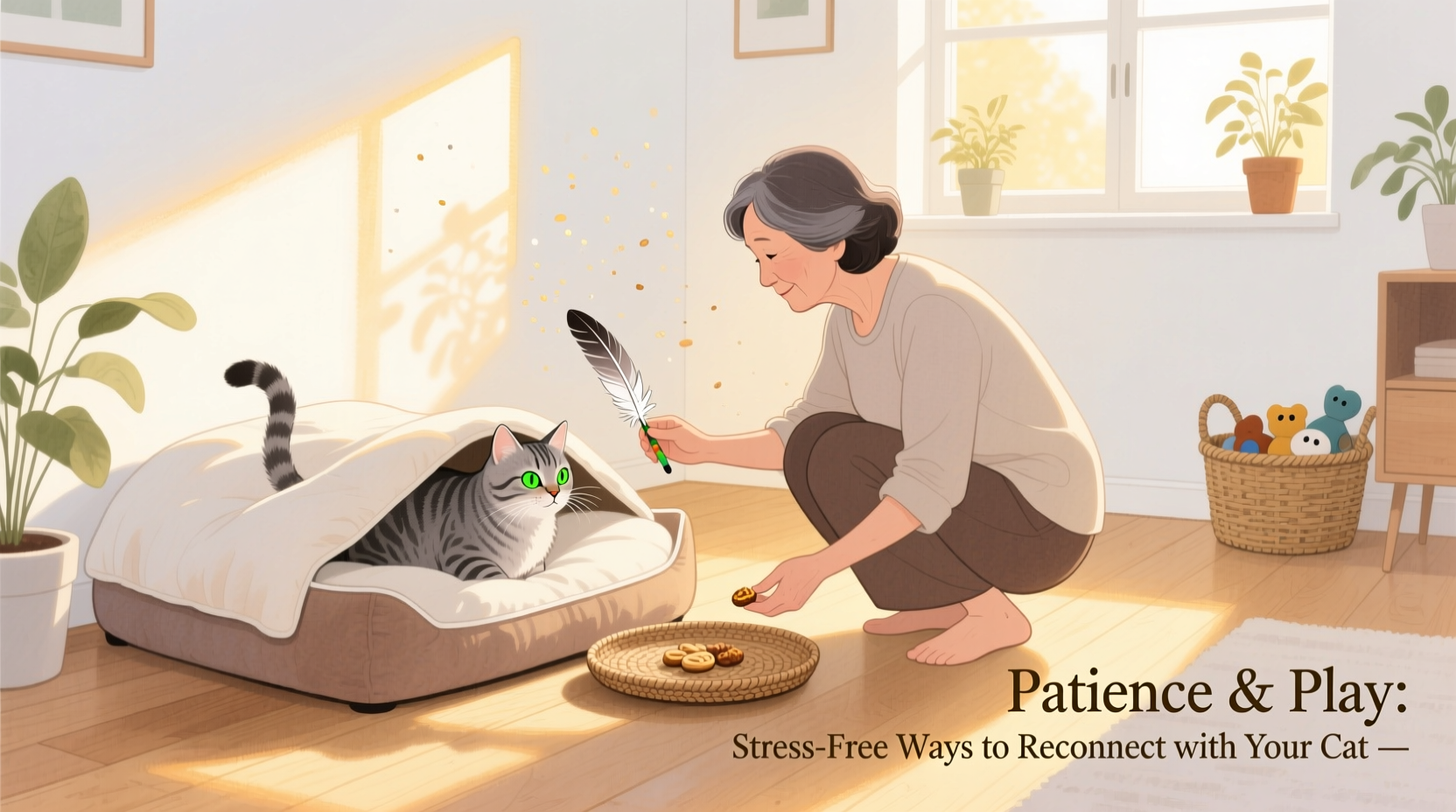
Cats are predators by nature, but they’re also prey animals in the wild. This dual instinct makes them highly sensitive to changes in their surroundings. The area under the bed offers darkness, enclosure, and elevation from foot traffic—all qualities that mimic a secure den. When a cat feels threatened, overstimulated, or unwell, retreating under the bed becomes a survival response.
Common triggers include:
- Loud noises (vacuuming, thunderstorms, shouting)
- New people or pets in the home
- Changes in routine or furniture layout
- Pain or illness (cats often hide symptoms)
- Overhandling, especially in kittens or shy adults
Forcing a cat out reinforces the idea that the space is unsafe. Instead, focus on reducing the need to hide by addressing root causes and offering better alternatives.
Create Safer Alternatives to the Space Under the Bed
The goal isn’t to eliminate hiding—it’s to redirect it. Cats need secure spots where they can observe their environment while feeling protected. By providing appealing alternatives, you make the bed’s underside less necessary.
Consider these options:
- Cozy cat caves: Fabric-covered hideaways with soft padding and a single entrance offer privacy without confinement.
- Elevated perches: Cats feel safer when above ground level. Window-mounted shelves or cat trees near natural light give them vantage points.
- Cardboard boxes with cutouts: A simple box lined with a fleece blanket can become a favorite hideout—rotate locations to keep interest.
- Enclosed carriers left open: Keep travel carriers accessible with bedding inside. They double as safe zones when properly acclimated.
Place these alternatives in quiet but socially connected areas—near a living room chair or beside a frequently used window. Gradually, your cat will begin to prefer these designated retreats over the dusty gap beneath the mattress.
Step-by-Step Guide to Discourage Hiding Without Force
Changing your cat’s behavior requires consistency and timing. Follow this timeline to gently shift their habits:
- Day 1–3: Assess triggers – Note when and why your cat hides. Is it after loud sounds? During visitors? Identify patterns without intervening.
- Day 4–7: Introduce alternative spaces – Place a new cat cave or covered bed near their usual exit point from under the bed. Add treats or catnip to encourage exploration.
- Day 8–14: Block access strategically – Use a breathable fabric bed skirt or place lightweight storage bins in front of the bed’s opening. Avoid complete blockage if the cat is already underneath.
- Day 15 onward: Reinforce positive choices – Reward your cat with praise or treats when they use the new hideout. Do not reward hiding under the bed by giving attention during or immediately after.
This gradual method respects your cat’s autonomy while reshaping their preferences through environmental design and positive association.
Do’s and Don’ts When Your Cat Hides
| Do | Don't |
|---|---|
| Wait quietly nearby with a treat or toy | Reach under the bed or try to grab them |
| Use a calming pheromone diffuser like Feliway | Shine bright lights or make loud noises to scare them out |
| Offer familiar scents (a worn T-shirt) near alternate hideouts | Block all escape routes, making them feel trapped |
| Speak softly and move slowly | Yell or express frustration |
| Check for signs of illness if hiding becomes constant | Assume it’s “just their personality” without investigating causes |
Expert Insight: Understanding Feline Stress
“Cats don’t hide to be difficult—they hide because they feel unsafe. The key is not to eliminate hiding, but to ensure they have better options. A cat that chooses to stay out in the open is a cat that feels secure.” — Dr. Lena Torres, DVM, Feline Behavior Specialist
Dr. Torres emphasizes that chronic hiding is often misinterpreted as aloofness. In reality, it can indicate chronic low-level stress, which affects immune function and overall well-being. Addressing environmental stressors—not just physical access—is essential for long-term improvement.
Mini Case Study: Helping Luna Feel Safe Again
Luna, a 3-year-old domestic shorthair, began hiding under the bed daily after her owners adopted a puppy. Despite no direct aggression, the puppy’s energy overwhelmed her. Her owners initially tried coaxing and even lifting the bed skirt to reach her, which only increased her avoidance.
Working with a vet behaviorist, they implemented several changes:
- Installed a tall cat tree in the living room with a view of the yard
- Used a Feliway diffuser in the bedroom
- Created a quiet sanctuary room with food, litter, and a covered bed
- Trained the puppy to respect boundaries using baby gates
Within three weeks, Luna stopped retreating under the bed. She now uses her cat tree as a daytime perch and sleeps in a covered bed near her owners’ nightstand. The transformation wasn’t about removing a habit—it was about restoring her sense of control.
Checklist: How to Prevent Under-Bed Hiding
Use this checklist to create a cat-friendly environment that reduces the need to hide:
- ✅ Provide at least one secure hideout per floor of your home
- ✅ Use pheromone diffusers in high-stress areas (bedrooms, entryways)
- ✅ Rotate toys and scents in alternative hideouts to maintain interest
- ✅ Minimize sudden noises or movements around your cat
- ✅ Ensure all resources (food, water, litter) are easily accessible and away from high-traffic zones
- ✅ Monitor for signs of illness (reduced appetite, grooming, or litter box use)
- ✅ Gradually block under-bed access once your cat consistently uses other spaces
FAQ
How long is it normal for a cat to hide?
New cats may hide for days or even weeks as they acclimate. Established cats might retreat for a few hours during stressful events. If hiding exceeds 24 hours or is accompanied by lack of eating, drinking, or litter use, consult a veterinarian.
Can I completely block access under the bed?
Yes, but only after your cat has reliable alternatives. Sudden blockage can increase anxiety. Use a removable barrier like a fabric skirt or sliding panel so you can adjust access gradually.
Will getting another cat stop my pet from hiding?
Not necessarily. Adding another cat often increases stress unless introductions are managed carefully. Focus on your current cat’s needs first. Companionship doesn’t replace environmental security.
Conclusion
Preventing your cat from hiding under the bed isn’t about winning a battle of wills—it’s about building trust and creating an environment where they feel empowered, not threatened. By understanding their instincts, offering superior alternatives, and responding with patience rather than pressure, you foster a deeper bond and a more confident companion.




 浙公网安备
33010002000092号
浙公网安备
33010002000092号 浙B2-20120091-4
Comments
No comments yet. Why don't you start the discussion?