
Dogs chew for a variety of reasons—teething, boredom, anxiety, or simply because it feels good. While chewing is a natural behavior, excessive destruction of toys can become costly, frustrating, and even dangerous if your dog ingests non-digestible materials. The key isn’t to eliminate chewing entirely but to guide it toward appropriate outlets. With the right combination of training, environmental management, and toy selection, you can significantly reduce destructive chewing and keep your dog safe and satisfied.
Understand Why Dogs Chew
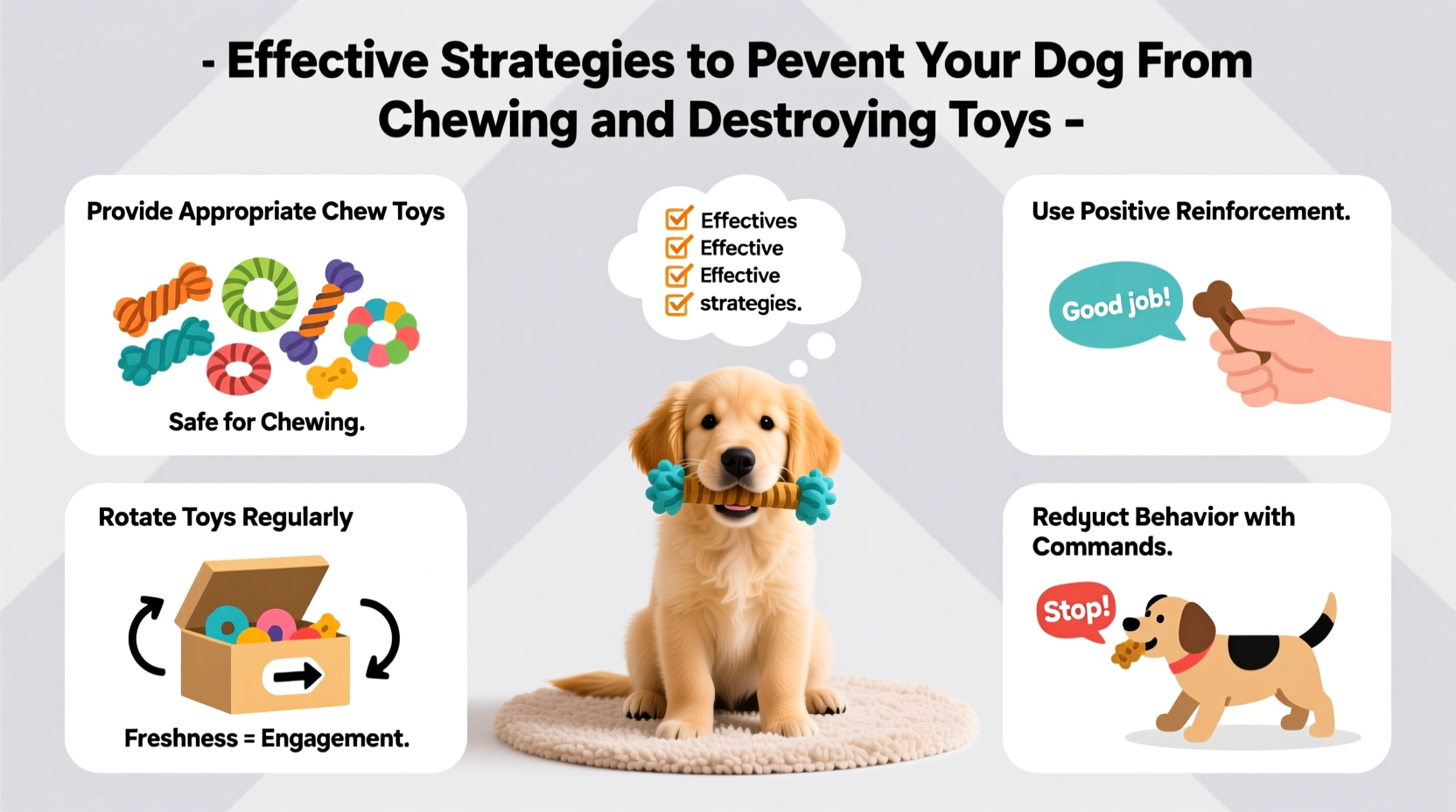
Before addressing how to stop destructive chewing, it’s essential to understand why dogs engage in this behavior. Puppies chew to relieve discomfort during teething, which typically lasts until they are about six months old. Adult dogs may chew due to boredom, stress, separation anxiety, or lack of mental stimulation. Some breeds, such as terriers and retrievers, have a higher drive to chew due to their working backgrounds.
Chewing also serves a psychological purpose—it reduces anxiety and provides mental engagement. When dogs don’t have appropriate outlets for this instinct, they turn to household items like shoes, furniture, or poorly made toys that disintegrate quickly. Recognizing the root cause helps tailor solutions effectively.
“Destructive chewing is rarely just a bad habit—it’s usually a symptom of unmet physical or emotional needs.” — Dr. Karen Becker, Integrative Veterinarian
Select Durable, Appropriate Toys
Not all dog toys are created equal. Many commercially available toys are designed more for novelty than durability, leading to rapid destruction. Choosing the right toys can dramatically reduce the frequency with which your dog tears them apart.
| Toys to Choose | Why They Work | Toys to Avoid |
|---|---|---|
| Rubber toys (e.g., Kong, West Paw) | Made from tough, non-toxic rubber; resistant to punctures and splintering | Foam-filled plush toys |
| Hard nylon bones (for aggressive chewers) | Withstand intense gnawing without breaking into small pieces | Small plastic toys with bells or squeakers |
| Interactive puzzle toys | Engage the mind and slow down chewing through problem-solving | Rawhide chews (potential choking hazard) |
| Food-dispensing toys | Redirect chewing energy into positive, rewarding activity | Thin rope toys that fray easily |
Always match the toy to your dog’s size, breed, and chewing intensity. A toy that passes the “quarter test” (if you can fit a quarter inside any part of the toy, it could be a choking hazard) should be discarded immediately.
Train Your Dog to Respect Toys
Training plays a crucial role in managing chewing behavior. Teaching your dog what is acceptable to chew—and what isn’t—requires consistency and positive reinforcement.
Start by introducing one durable toy at a time. Use commands like “take it” and “drop it” during play sessions to build control. When your dog chews appropriately, reward with praise or treats. If they attempt to chew something forbidden, calmly redirect them to an approved toy and reward the switch.
Step-by-Step Guide to Redirecting Chewing Behavior
- Observe your dog closely during high-risk times (e.g., after meals, when left alone).
- When inappropriate chewing begins, interrupt with a neutral sound (like “uh-uh”) without yelling.
- Immediately offer a suitable chew toy.
- If your dog accepts the toy, praise enthusiastically and give a treat.
- Repeat consistently across multiple sessions until the behavior becomes automatic.
For persistent offenders, consider using taste deterrents on off-limits items. Products containing bitter apple or citrus are unpleasant to dogs but harmless. Spray these on furniture legs, baseboards, or other tempting targets—but always test on a small area first to avoid damage.
Create a Structured Environment
Dogs thrive on routine and clear boundaries. A structured environment reduces anxiety and prevents opportunistic chewing. This includes regular exercise, mental stimulation, and designated chew zones.
A tired dog is a well-behaved dog. Aim for at least 30–60 minutes of daily physical activity tailored to your dog’s age and breed. Combine walks with off-leash play, agility drills, or fetch. Mental exercise is equally important: incorporate training drills, scent games, or obedience work into your daily routine.
Designate a specific area—such as a crate or gated-off corner—with a limited selection of approved chew toys. This teaches your dog where chewing is allowed and reduces temptation elsewhere. Supervise freely roaming periods closely, especially in the early stages of training.
- Provide at least 3–5 durable chew toys per dog.
- Use puzzle feeders instead of bowls to extend mealtime engagement.
- Limit access to high-value but destructible items (e.g., stuffed animals).
- Never leave your dog unattended with toys unless they’ve proven reliable.
Real-Life Example: Managing a High-Energy Border Collie
Max, a two-year-old Border Collie, was destroying every toy within hours. His owner reported shredded ropes, broken rubber balls, and even remnants of a nylon bone found in the backyard. After consultation, it became clear Max wasn’t getting enough mental stimulation despite long walks.
The solution involved three changes: replacing flimsy toys with ultra-durable rubber options, introducing daily puzzle games using frozen peanut butter in a Kong, and adding 15 minutes of advanced obedience training each evening. Within two weeks, Max stopped destroying toys and began showing preference for his food-dispensing puzzles. His owner noted a significant drop in anxiety-related behaviors as well.
This case illustrates that destructive chewing often masks deeper needs—once met, the urge to destroy diminishes naturally.
Prevention Checklist
- ✅ Assess your dog’s chewing strength and choose toys accordingly
- ✅ Remove or secure off-limits items (shoes, cords, cushions)
- ✅ Offer at least one interactive or food-stuffed toy daily
- ✅ Train the “drop it” command using positive reinforcement
- ✅ Rotate toys weekly to maintain interest
- ✅ Ensure your dog gets sufficient physical and mental exercise
- ✅ Supervise playtime until trust in toy use is established
- ✅ Use bitter sprays on forbidden objects if redirection fails
Frequently Asked Questions
Is it normal for my dog to destroy toys quickly?
Some level of wear is normal, especially for strong chewers. However, complete destruction within minutes suggests either inappropriate toy selection or unmet behavioral needs. Evaluate both the toy’s durability and your dog’s daily enrichment.
Can I stop my dog from chewing altogether?
No—and you shouldn’t try. Chewing is a healthy, natural behavior that supports dental health and emotional regulation. The goal is not elimination but redirection toward safe, durable items.
What if my dog swallows part of a toy?
If you suspect ingestion of a foreign object, contact your veterinarian immediately. Signs include vomiting, lethargy, loss of appetite, or straining to defecate. Always supervise aggressive chewers and inspect toys regularly for damage.
Conclusion: Build Better Habits, One Chew at a Time
Preventing your dog from destroying toys isn’t about punishment or restriction—it’s about guidance, preparation, and understanding. By selecting resilient toys, reinforcing positive habits, and meeting your dog’s physical and emotional needs, you create an environment where destructive chewing loses its appeal.
Change takes time, especially if the behavior has been reinforced over months or years. Stay consistent, celebrate small victories, and remember that every dog can learn. Start today by auditing your current toy collection and implementing one new strategy from this guide. Your dog—and your wallet—will thank you.




 浙公网安备
33010002000092号
浙公网安备
33010002000092号 浙B2-20120091-4
Comments
No comments yet. Why don't you start the discussion?