
Winter coats are a significant investment in comfort and style, designed to withstand cold, snow, and wind. Yet, without proper care, they can quickly succumb to stains, moisture damage, and material degradation. Whether you own a wool peacoat, a down-filled parka, or a sleek synthetic shell, protecting it from daily hazards ensures longevity and performance. The right habits—from pre-treatment to storage—can preserve both appearance and function through multiple seasons.
Understand Your Coat’s Material and Vulnerabilities
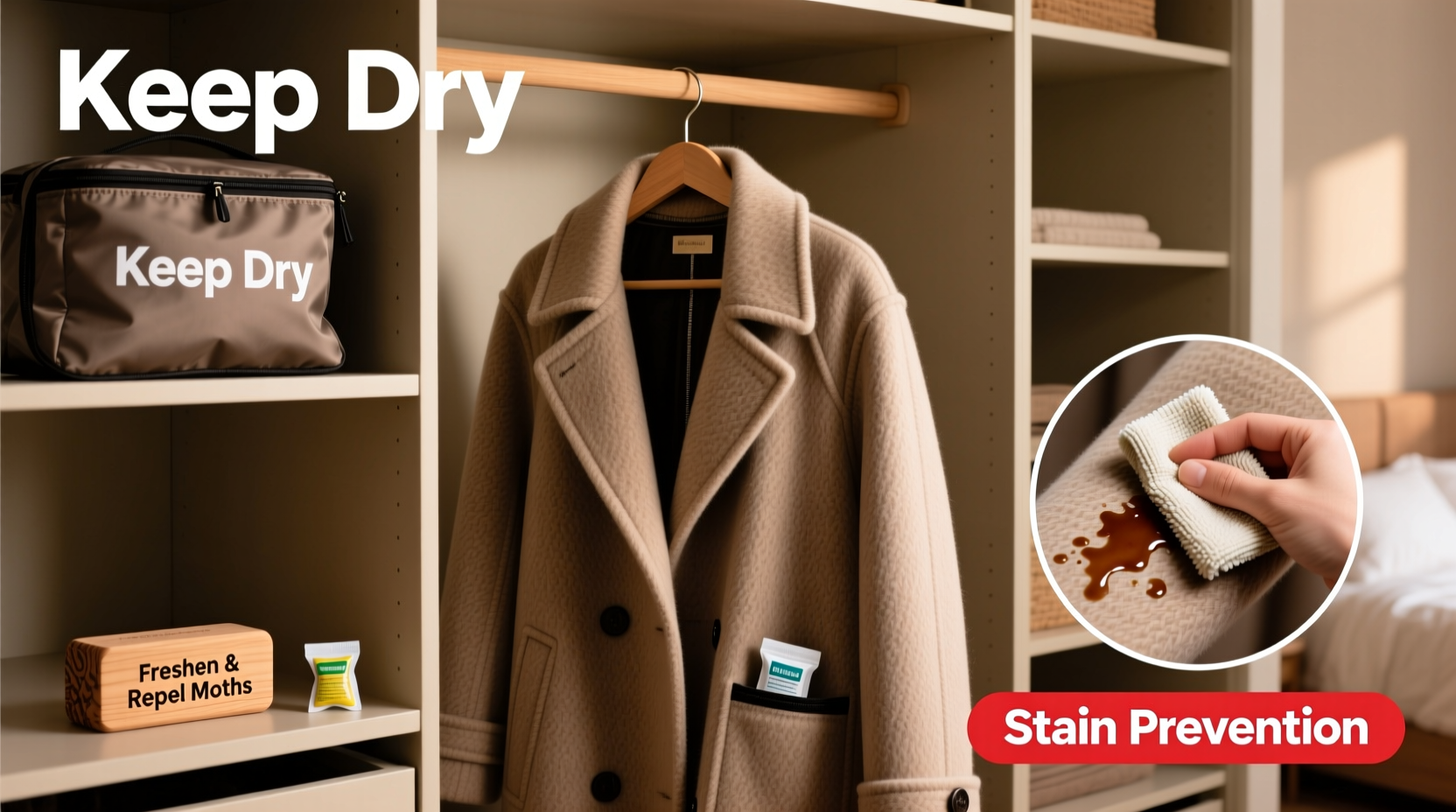
Not all winter coats face the same risks. Each fabric has unique strengths and weaknesses that dictate how best to protect it.
- Down and synthetic insulation: Highly susceptible to moisture, which compromises warmth. Once wet, down loses loft and takes time to dry properly.
- Wool and wool blends: Naturally water-resistant but prone to felting and shrinking if exposed to heat or improper cleaning.
- Polyester and nylon shells: Durable and water-repellent, yet vulnerable to oil-based stains and abrasion from rough surfaces.
- Leather and faux leather: Stylish and weather-resistant, but sensitive to salt, UV rays, and humidity, which can cause cracking or fading.
Knowing your coat’s composition allows you to tailor protection strategies effectively. Always check the care label before applying any product or method.
“Understanding fabric behavior is the first line of defense. A down coat needs different prep than a wool blend—and treating them the same leads to avoidable damage.” — Daniel Reeves, Textile Preservation Specialist
Pre-Treat for Stain and Water Resistance
One of the most proactive steps you can take is pre-treating your coat before the winter season begins. This creates a protective barrier against common threats like rain, road salt, coffee spills, and grease.
Use fabric-specific waterproofing sprays designed for outerwear. For down or synthetic jackets, opt for fluorine-free DWR (durable water repellent) sprays that restore beading without clogging insulation. Wool coats benefit from lanolin-based treatments that enhance natural water resistance.
Avoid silicone-based products on breathable membranes (like Gore-Tex), as they can reduce breathability over time. Reapply treatment every 4–6 weeks during heavy use, or after each professional clean.
Step-by-Step: How to Pre-Treat Your Winter Coat
- Brush off surface dust and debris using a soft clothes brush.
- Hang the coat on a sturdy hanger in a ventilated space.
- Shake the waterproofing spray well and test on an inconspicuous area (e.g., inside seam).
- Spray evenly across the exterior, focusing on shoulders, cuffs, and collar—common contact zones.
- Allow 4–6 hours of drying time. Do not iron or heat-dry.
- Buff lightly with a microfiber cloth to distribute the coating.
Prevent Common Stains and Damage During Use
Daily wear exposes your coat to countless hazards. Coffee, makeup, hand sanitizer, and street grime can leave lasting marks if not addressed promptly.
Carry a small stain removal kit: include alcohol wipes (for ink or sanitizer), a mini absorbent powder (like cornstarch for oil), and a compact stain pen. Address spills within minutes—blot, don’t rub—to minimize penetration.
Be mindful of high-contact areas. Restaurant booths, car seats, and public transit often harbor oils and dyes. Use a scarf or sweater as a buffer between your coat and surfaces. When commuting, consider wearing a packable liner coat in crowded environments.
| Stain Type | Immediate Action | Avoid |
|---|---|---|
| Oil/Grease | Sprinkle cornstarch, wait 15 mins, brush off | Water (spreads the stain) |
| Coffee/Wine | Blot with damp cloth, apply mild detergent | Rubbing vigorously |
| Salt Stains | Dampen cloth with vinegar-water mix (1:1), gently wipe | Dry brushing (can scratch fabric) |
| Ink | Dab with isopropyl alcohol on cotton swab | Using bleach or acetone |
Real Example: Preventing Down Jacket Degradation
Sarah, a teacher in Montreal, wore her favorite down jacket daily during a harsh winter. After two months, she noticed flat spots on the shoulders and reduced warmth. Upon inspection, a tailor explained that repeated compression from her backpack and exposure to indoor humidity had collapsed the down clusters. She began using a breathable garment bag at school and invested in a dehumidifier at home. Within a season, her jacket regained much of its loft after professional re-lofting. Her experience underscores how small behavioral changes prevent irreversible damage.
Proper Storage Between Seasons
How you store your coat when not in use is just as important as how you wear it. Improper storage leads to mold, yellowing, and weakened fibers.
Never store a winter coat in plastic. While it may seem protective, plastic traps moisture and encourages mildew—especially dangerous for down and wool. Instead, use breathable cotton garment bags or old pillowcases. Store in a cool, dark closet away from heaters or attics.
For long-term storage, avoid hanging heavy coats for extended periods. Down and wool garments can stretch at the shoulders. Lay them flat in a drawer or on a shelf, folded gently with acid-free tissue paper to maintain shape.
Storage Checklist: End-of-Season Prep
- ✅ Clean the coat thoroughly before storing—dirt attracts pests.
- ✅ Repair loose buttons, zippers, or seams.
- ✅ Air out overnight in a dry room to remove residual moisture.
- ✅ Use a breathable storage container or cotton cover.
- ✅ Rotate position every few months to prevent creasing.
Frequently Asked Questions
Can I wash my winter coat at home?
It depends on the material. Down and synthetic insulated coats can often be machine-washed on a gentle cycle with a front-loading washer—use a technical detergent and double rinse. Wool coats should be dry-cleaned or hand-washed in cold water with wool-specific soap. Leather and treated fabrics require professional cleaning only.
How do I remove salt stains from my coat?
Mix equal parts white vinegar and water. Dip a clean cloth into the solution and gently dab the stained area. Allow it to sit for 5–10 minutes, then blot with a dry towel. Repeat if necessary, then air dry away from direct heat.
Why does my coat smell musty after storage?
This indicates trapped moisture or mildew. Never store a coat that isn’t fully dry. If odor persists, air it outside for a few hours or place in a sealed container with baking soda for 24–48 hours. Avoid spraying perfumes, which can set stains.
Final Thoughts: Make Protection a Habit
Protecting your winter coat doesn’t require drastic measures—just consistent, informed choices. From pre-treating before the first snowfall to storing it correctly when spring arrives, each step compounds to preserve quality. Think of your coat not just as clothing, but as a tool for enduring winter comfortably and confidently.
The most durable coats aren’t necessarily the most expensive—they’re the ones cared for with intention. By understanding materials, responding quickly to stains, and storing wisely, you extend not only lifespan but also performance and pride in your wardrobe.




 浙公网安备
33010002000092号
浙公网安备
33010002000092号 浙B2-20120091-4
Comments
No comments yet. Why don't you start the discussion?