
Calf soreness is a common complaint among athletes, weekend warriors, and even those with sedentary lifestyles who suddenly increase physical activity. Whether it stems from intense workouts, prolonged standing, or inadequate recovery, persistent calf discomfort can interfere with mobility, performance, and overall well-being. The good news is that most cases of calf soreness are manageable—and often preventable—with the right combination of immediate relief techniques, consistent self-care, and proactive habits.
This guide outlines science-backed and practitioner-approved methods to not only soothe existing calf soreness but also build resilience against future discomfort. From targeted stretching to lifestyle adjustments, these strategies promote lasting comfort and improved lower leg function.
Understanding Calf Soreness: Causes and Types
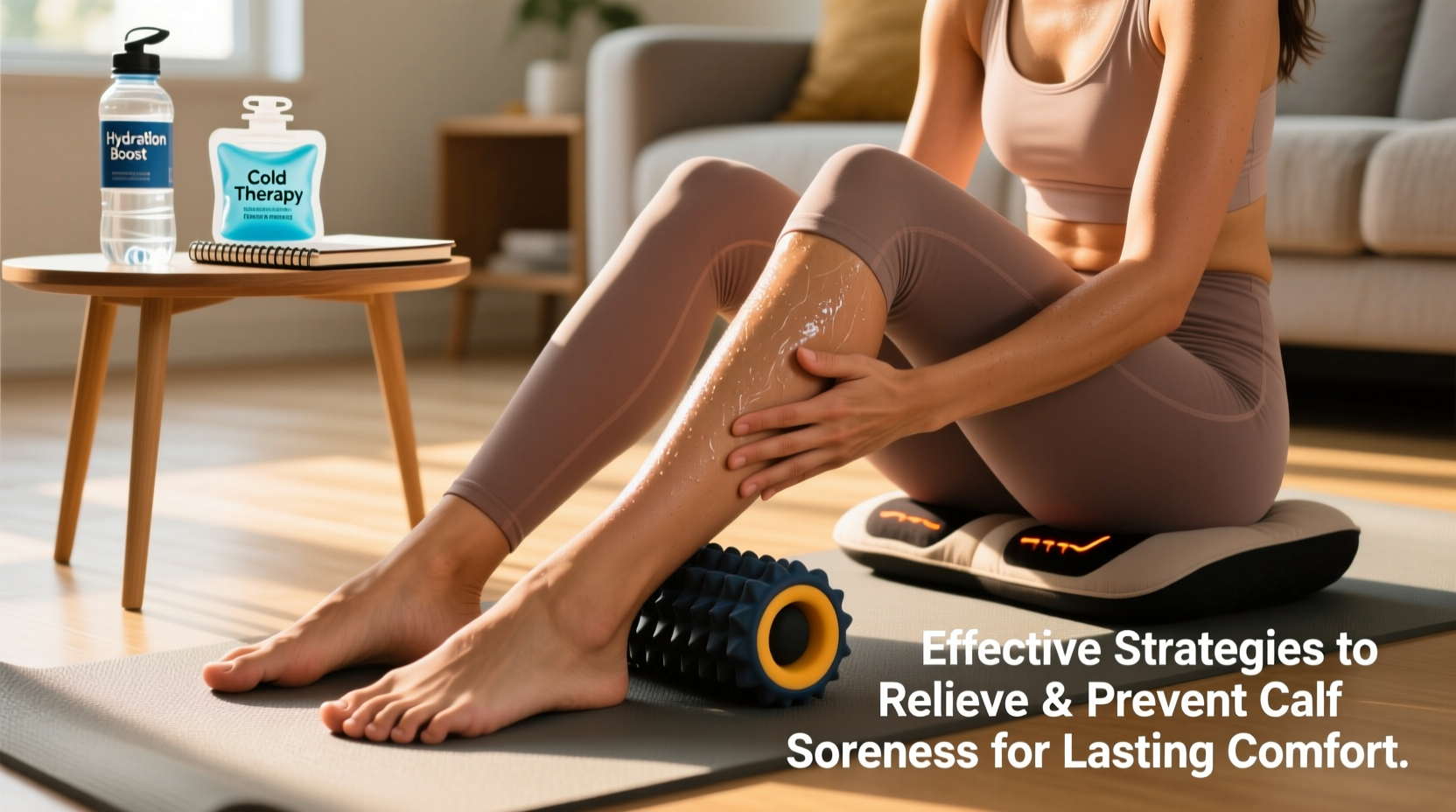
Calf soreness typically arises from microtears in muscle fibers due to overuse, sudden exertion, or improper warm-up. It’s commonly associated with activities like running, jumping, cycling, or climbing stairs. There are two primary types:
- Acute soreness: Occurs during or immediately after exercise, usually due to lactic acid buildup or muscle strain.
- Delayed onset muscle soreness (DOMS): Develops 24–72 hours post-exercise and results from microscopic muscle damage during eccentric contractions.
Other contributing factors include dehydration, electrolyte imbalances, poor footwear, muscle imbalances, and limited flexibility. In some cases, chronic calf tightness may signal underlying issues such as Achilles tendinopathy or compartment syndrome—conditions that require medical evaluation.
“Calf soreness is often a sign of overload rather than injury, but ignoring it can lead to more serious problems like strains or tendinosis.” — Dr. Marcus Lin, Sports Rehabilitation Specialist
Immediate Relief Strategies for Sore Calves
When calf soreness strikes, prompt action can reduce recovery time and alleviate discomfort. These techniques focus on decreasing inflammation, improving circulation, and restoring muscle function.
1. Cold and Heat Therapy
Use cold therapy (ice packs) within the first 48 hours if there's swelling or acute pain. Apply for 15–20 minutes every few hours to reduce inflammation. After this window, switch to heat therapy using a warm towel or heating pad to relax tight muscles and boost blood flow.
2. Self-Myofascial Release with a Foam Roller
Foam rolling helps break up adhesions in the fascia and improves tissue elasticity. Sit with legs extended and place the foam roller under your calves. Support your weight with your hands and slowly roll from just below the knee to above the ankle. Pause on tender spots for 20–30 seconds.
3. Gentle Stretching
Perform static stretches once the acute pain subsides. The standing calf stretch targets both the gastrocnemius and soleus muscles:
- Stand facing a wall, hands at shoulder height.
- Step one foot back, keeping the heel flat and knee straight (for gastrocnemius).
- Lean forward until you feel a stretch in the upper calf.
- Hold for 30 seconds, then bend the back knee slightly to target the deeper soleus muscle.
- Repeat 2–3 times per leg.
Long-Term Prevention Techniques
Sustained calf health depends on consistency. Integrating preventive measures into your routine reduces recurrence and enhances muscular endurance.
Build Strength Gradually
Weak calf muscles are more prone to strain. Incorporate progressive resistance exercises such as:
- Heel raises (double-leg and single-leg)
- Tibialis anterior strengthening (to balance front-to-back muscle groups)
- Eccentric heel drops (especially beneficial for runners)
Start with bodyweight and gradually add load using dumbbells or a weighted backpack.
Improve Flexibility and Mobility
Tight calves restrict ankle dorsiflexion, increasing stress on the Achilles tendon. Dedicate 5–10 minutes daily to dynamic and static stretching, particularly before and after activity. Yoga poses like Downward Dog and Runner’s Lunge are excellent for lengthening the posterior chain.
Wear Supportive Footwear
Shoes with proper arch support and heel cushioning help distribute pressure evenly across the foot and lower leg. Replace worn-out athletic shoes every 300–500 miles or when the midsole shows visible compression.
| Prevention Strategy | How Often? | Key Benefit |
|---|---|---|
| Dynamic calf stretching | Daily or pre-workout | Enhances range of motion |
| Foam rolling | Post-exercise or nightly | Reduces muscle stiffness |
| Strength training | 2–3 times/week | Increases load tolerance |
| Hydration & electrolyte intake | Throughout the day | Prevents cramping and fatigue |
Case Study: Recovering from Post-Run Calf Soreness
Jenna, a 32-year-old recreational runner, began experiencing recurring calf soreness after increasing her weekly mileage in preparation for a half-marathon. Despite resting, the discomfort persisted beyond 72 hours, affecting her stride and confidence.
She consulted a physiotherapist who identified three key issues: weak soleus muscles, insufficient warm-up, and worn running shoes. Her treatment plan included:
- Daily foam rolling and calf stretching
- Twice-weekly eccentric heel drop exercises
- Replacing her 6-month-old running shoes
- Adding a 10-minute dynamic warm-up before runs
Within four weeks, Jenna reported a 90% reduction in soreness and improved running efficiency. Her experience underscores the importance of addressing root causes—not just symptoms.
Step-by-Step Recovery Timeline (First 72 Hours)
Follow this timeline to optimize early-stage recovery from calf soreness:
- Hour 0–6: Rest and apply ice for 15 minutes every hour if swelling is present. Avoid aggressive stretching.
- Hour 6–24: Continue icing intermittently. Begin gentle ankle pumps to encourage circulation.
- Day 2: Transition to heat therapy. Perform light self-massage or use a massage ball on non-painful areas.
- Day 3: Introduce controlled range-of-motion movements. Try seated calf stretches and slow heel-to-toe rolls.
- Day 4 onward: Gradually resume low-impact activity like walking or swimming if pain-free.
Frequently Asked Questions
Can dehydration cause calf soreness?
Yes. Dehydration reduces electrolyte balance, particularly sodium, potassium, and magnesium, which are critical for muscle contraction and relaxation. Low levels can trigger cramps and increase perceived soreness. Aim for at least 2–3 liters of water daily, more if exercising intensely.
Is it safe to exercise with sore calves?
Mild soreness (DOMS) usually allows for light activity, which can actually enhance recovery through increased blood flow. However, avoid high-impact or explosive movements like sprinting or jumping. Opt for walking, cycling, or swimming until discomfort decreases.
How long does calf soreness typically last?
Most cases of DOMS resolve within 3–5 days. Persistent soreness beyond a week, especially if localized or accompanied by swelling, may indicate a strain or other condition requiring professional assessment.
Final Thoughts: Building Resilient Calves for Lasting Comfort
Calf soreness doesn’t have to be an inevitable part of staying active. By combining timely recovery practices with consistent preventive habits, you can significantly reduce discomfort and improve lower leg function. Listen to your body, prioritize recovery as much as performance, and treat your calves with the care they deserve.
Start today by incorporating one new habit—whether it’s foam rolling, hydration tracking, or replacing old footwear. Small changes compound into lasting comfort and greater freedom of movement.




 浙公网安备
33010002000092号
浙公网安备
33010002000092号 浙B2-20120091-4
Comments
No comments yet. Why don't you start the discussion?