
Grease stains are among the most frustrating types of fabric blemishes. Whether it’s from cooking oil, butter, motor grease, or salad dressing, these oily residues penetrate deep into fibers, making them difficult to lift with regular washing. Left untreated, they can set permanently in the fabric, especially when exposed to heat. The good news is that with the right approach—applied quickly and correctly—most grease stains can be removed at home using everyday household products. This guide outlines practical, tested methods to restore your garments without resorting to harsh chemicals or expensive dry cleaning.
Understanding How Grease Stains Work
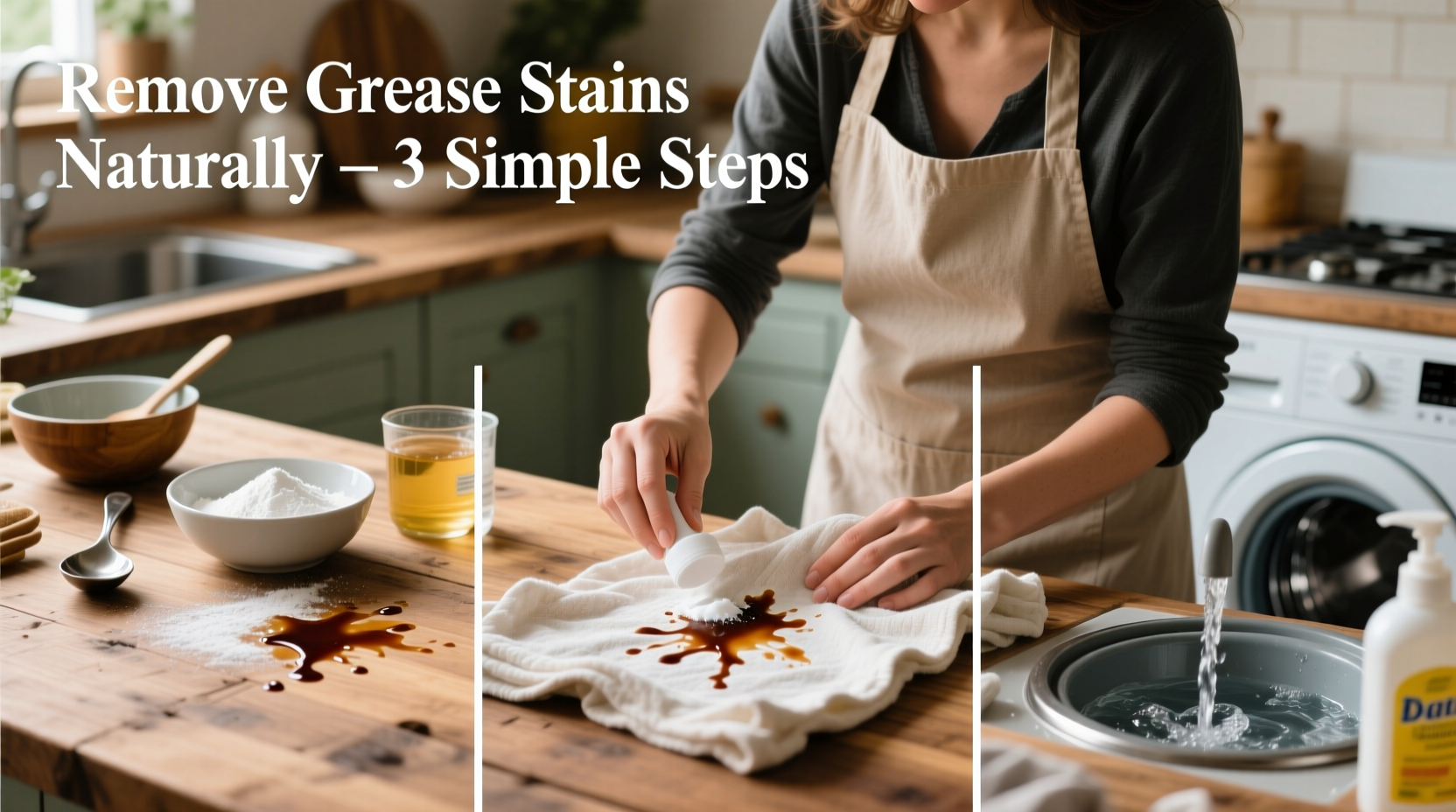
Grease is hydrophobic, meaning it repels water. When it lands on fabric, it coats the fibers instead of mixing with moisture, which makes standard detergent less effective. Detergents work by breaking down oils, but if the grease has already oxidized or been dried in a hot dryer, the task becomes significantly harder. Immediate action is key: the sooner you treat the stain, the better your chances of complete removal.
It's also important to identify the fabric type before applying any treatment. Delicate materials like silk or wool require gentler solutions than cotton or polyester. Always test any cleaning agent on an inconspicuous area first to avoid discoloration or damage.
Step-by-Step Guide to Removing Grease Stains
Follow this systematic process for the best results, whether dealing with fresh spills or older, set-in stains.
- Blot Excess Grease: Use a clean paper towel or cloth to gently blot (not rub) the surface. Remove as much oil as possible without spreading it further.
- Apply an Absorbent Powder: Sprinkle cornstarch, baking soda, baby powder, or talcum powder over the stain. Let it sit for 15–30 minutes to absorb surface oil. Gently brush off afterward.
- Pre-Treat with a Degreasing Agent: Choose one of the following based on availability and fabric safety:
- Dish soap (e.g., Dawn) – excellent for cutting through grease
- Hydrogen peroxide (for color-safe fabrics)
- Isopropyl alcohol (for tougher stains; use with caution)
- Rub Gently: Use your fingers or a soft-bristled toothbrush to work the solution into the fabric in circular motions.
- Let It Sit: Allow the treatment to dwell for 10–30 minutes, depending on the severity of the stain.
- Wash Normally: Launder the garment in the warmest water safe for the fabric, using regular detergent. Check the care label.
- Inspect Before Drying: After washing, inspect the area. If the stain remains, repeat the process. Only dry once the stain is fully gone.
Best Household Products for Grease Removal
You don’t need specialty cleaners to tackle grease. Common kitchen and bathroom staples often work just as well—if not better—than commercial stain removers.
| Product | How It Works | Best For | Cautions |
|---|---|---|---|
| Dish Soap | Breaks down oil molecules due to surfactants | Cotton, linen, durable synthetics | Avoid on delicate silks or wools |
| Cornstarch/Baking Soda | Absorbs surface grease before it sets | Fresh stains on most fabrics | Test on dark fabrics to prevent residue |
| White Vinegar | Natural degreaser and odor neutralizer | Set-in stains, combined with baking soda | May weaken elastic over time |
| Isopropyl Alcohol | Dissolves oil rapidly | Tough stains like engine grease | Flammable; may bleach some dyes |
| Hairspray (alcohol-based) | Alcohol content lifts oil | Emergency spot treatment | Use only old formulas with high alcohol |
Real Example: Kitchen Mishap Rescue
Sarah was preparing dinner when a spoonful of hot bacon grease splattered onto her favorite white cotton blouse. She immediately stopped cooking, laid the shirt flat, and blotted the area with a paper towel. She then generously coated the stain with baking soda, letting it sit for 20 minutes while she finished cooking. After brushing off the powder, she applied two drops of blue Dawn dish soap directly to the spot and gently massaged it in. After soaking in cold water for 30 minutes, she washed the blouse in warm water. Upon drying, the stain was completely gone—no trace remained.
This example highlights how timing and the right sequence make all the difference. Sarah avoided rinsing with water first (which would have spread the oil) and skipped the dryer until she confirmed the stain was gone.
Expert Insight on Fabric Care
“Immediate intervention is the single most effective factor in removing grease stains. The longer oil sits, the more it bonds with fibers. A simple dish soap pre-treatment can outperform expensive stain removers when applied early.” — Dr. Linda Reeves, Textile Chemist and Home Stain Specialist
Common Mistakes That Make Stains Worse
- Rubbing aggressively: This pushes grease deeper into the weave and can damage fabric structure.
- Using hot water too soon: Heat causes oil to bond with fibers, setting the stain permanently.
- Skipping the blotting step: Removing excess oil first increases the effectiveness of any cleaner.
- Putting clothes in the dryer prematurely: Even faint residual grease will bake into the fabric under heat.
- Overlooking fabric labels: Some treatments suitable for cotton may ruin silk or spandex blends.
Checklist: How to Remove Grease Stains at Home
Print or save this checklist for easy reference next time a grease spill happens:
- ⬜ Blot excess grease with a clean, dry cloth
- ⬜ Apply an absorbent powder (cornstarch, baking soda)
- ⬜ Wait 15–30 minutes, then brush off residue
- ⬜ Apply dish soap or other degreaser directly to the stain
- ⬜ Gently agitate with fingers or soft brush
- ⬜ Let sit for 10–30 minutes
- ⬜ Wash in warm water (fabric permitting)
- ⬜ Air dry and inspect before machine drying
- ⬜ Repeat if necessary
Frequently Asked Questions
Can I use vinegar and baking soda together for grease stains?
Yes, this combination can be effective. First, apply baking soda to absorb oil. Then mix equal parts white vinegar and water, spray on the area, and let it fizz for 5–10 minutes before washing. However, avoid using vinegar on delicate fabrics like silk or rayon.
What if the grease stain has already been dried in the dryer?
Even set-in stains can sometimes be lifted. Start by scraping off any hardened oil. Apply a few drops of dish soap and gently scrub. Soak the garment in warm water with detergent and oxygen bleach (if color-safe) for several hours or overnight. Rewash and air dry. Multiple treatments may be needed.
Is dish soap safe for colored clothes?
Most liquid dish soaps are safe for colors, but always do a spot test first. Avoid those with added bleach or strong fragrances. Stick to clear, dye-free versions like original Dawn or Seventh Generation dish liquid.
Final Thoughts and Action Steps
Removing stubborn grease stains doesn’t require professional help in most cases. With prompt action and the right household supplies, you can preserve your clothing and avoid unnecessary replacements. The key principles are speed, proper pre-treatment, and patience—never rush to dry a garment until you’re certain the stain is gone.
Next time you face a greasy spill, stay calm and follow the steps outlined here. Keep your go-to stain fighters handy, know your fabric types, and trust the science of surfactants and absorption. Your clothes will thank you.




 浙公网安备
33010002000092号
浙公网安备
33010002000092号 浙B2-20120091-4
Comments
No comments yet. Why don't you start the discussion?