
Dogs bring joy, companionship, and a certain level of chaos into our homes. One common casualty of their playful energy? The living room sofa. Whether it’s enthusiastic digging before a nap or instinctive scratching during play, dogs can quickly turn a plush couch into a shredded mess. While replacing furniture might seem inevitable, there are smarter, more sustainable ways to preserve your sofa—without banning your pet from lounging in their favorite spot. The key lies in understanding canine behavior and implementing thoughtful, practical solutions that balance protection with comfort.
Understand Why Dogs Scratch
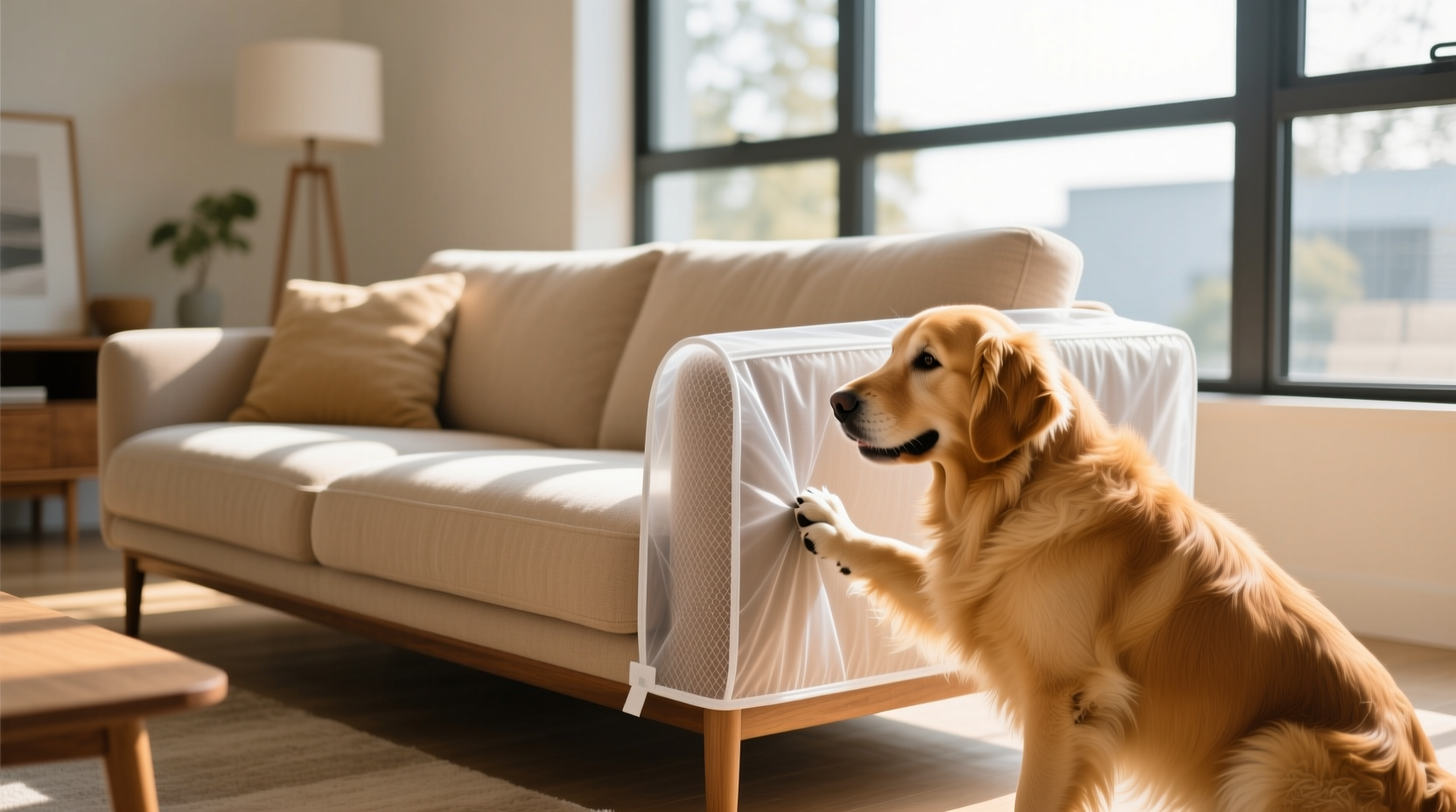
Before addressing how to protect your sofa, it helps to understand why dogs engage in scratching behavior. It’s rarely about destruction. Instead, scratching is often rooted in instinct and routine:
- Nesting instinct: Many dogs scratch to create a comfortable depression before lying down—a holdover from wild ancestors preparing sleeping areas.
- Marking territory: Paws contain scent glands. Scratching releases pheromones, signaling ownership.
- Energy release: High-energy breeds may scratch out of excitement or boredom.
- Attention-seeking: If scratching gets a reaction, dogs may repeat it deliberately.
Recognizing these motivations allows you to address the root cause rather than just treating symptoms.
Choose Scratch-Resistant Sofa Materials
The fabric (or material) of your sofa plays a critical role in its vulnerability to dog claws. Some materials resist abrasion far better than others. When selecting or evaluating your current sofa, consider durability alongside aesthetics.
| Material | Scratch Resistance | Comfort Level | Notes |
|---|---|---|---|
| Microfiber | High | High | Durable, soft, and stain-resistant—ideal for homes with pets. |
| Corduroy | Moderate | High | Tight weave resists snags; avoid thin versions. |
| Leather (Top-grain) | High | Medium-High | Resists claws well but may show scuffs; condition regularly. |
| Fabric blends (Polyester/Cotton) | Low-Moderate | High | Softer but prone to pilling and snagging. |
| Linen | Low | Medium | Looks elegant but easily torn by claws. |
When shopping for new furniture, prioritize tightly woven, synthetic-blend fabrics. Look for labels like “pet-friendly” or “high rub count” (above 30,000 double rubs indicates strong durability).
“Dogs don’t differentiate between expensive upholstery and a chew toy. Choosing resilient materials isn’t about distrust—it’s about smart cohabitation.” — Dr. Lena Patel, Veterinary Behavior Specialist
Use Protective Covers Without Sacrificing Comfort
A protective cover doesn’t have to mean a stiff, plasticky sheet. Modern options blend function with coziness, allowing both you and your dog to enjoy the sofa.
Consider these types of covers:
- Stretchable knit throws: Made from breathable, elastic fabrics that conform to your sofa and resist claw penetration.
- Waterproof quilted pads: Ideal for puppies or dogs with accidents; multiple layers provide cushioning and scratch resistance.
- Custom-fit slipcovers: Tailored to your sofa model, offering full coverage while maintaining aesthetic appeal.
For best results, choose neutral or patterned designs that hide minor wear and encourage your dog to settle on the protected surface. Reinforce this by placing their favorite blanket or bed on top of the cover to create a positive association.
Redirect Behavior with Smart Alternatives
Instead of trying to suppress natural behaviors, redirect them. Provide appealing alternatives that satisfy your dog’s instincts while sparing your furniture.
- Invest in a dog-specific sofa or lounger: Elevated dog beds with bolsters mimic the feel of human furniture and offer excellent support.
- Add a scratching pad nearby: Place a sisal or cardboard scratcher next to the sofa. Reward your dog when they use it.
- Use positive reinforcement: Whenever your dog chooses their bed over the sofa, reward with praise or a treat.
- Create a designated zone: Arrange their bed, toys, and water near the sofa so they still feel included without needing to climb up.
Consistency is crucial. Family members should respond uniformly—no allowing the dog on the sofa one day and shooing them off the next. Clear boundaries reduce confusion and stress.
Mini Case Study: The Baxter Family Solution
The Baxters had a 2-year-old Labrador named Scout who loved napping on their cream-colored microfiber sofa. Within months, deep claw marks appeared along the arms and seat. After trying sprays and verbal corrections with little success, they introduced a dual approach: a custom-fitted navy blue slipcover made from reinforced microfiber and a memory foam dog bed placed directly beside the sofa.
They encouraged Scout to use his bed by placing treats on it daily and covering it with a familiar-smelling blanket. Within three weeks, Scout stopped jumping on the sofa altogether. The slipcover remained in place but was rarely used—he preferred his own space. The sofa stayed pristine, and the family regained peace of mind.
Regular Maintenance and Preventive Care
Prevention isn’t a one-time fix—it’s an ongoing process. Integrate these habits into your routine to maintain long-term sofa safety.
- Trim your dog’s nails weekly: Shorter nails cause less damage and reduce slipping on hard floors.
- Provide mental stimulation: Bored dogs are more likely to engage in destructive behaviors. Rotate toys and incorporate puzzle feeders.
- Deep-clean the sofa monthly: Remove embedded fur and odors that might attract marking behaviors.
- Inspect for weak spots: Repair loose threads or worn seams promptly before they become larger tears.
Additionally, consider using nail caps like Soft Paws—non-toxic, adhesive vinyl caps that blunt claws without interfering with movement. They last 4–6 weeks and are especially useful during training periods.
Checklist: Protect Your Sofa in 7 Steps
- Evaluate your sofa’s material for scratch resistance.
- Introduce a washable, fitted protective cover.
- Trim your dog’s nails every 1–2 weeks.
- Place a comfortable dog bed near the sofa.
- Add a scratching post or pad within reach.
- Use positive reinforcement when your dog uses alternatives.
- Deep clean the sofa and surrounding area monthly.
Frequently Asked Questions
Can I train an older dog to stop scratching the sofa?
Yes. While puppies are easier to shape, adult dogs can learn new behaviors with consistency. Focus on redirection and rewards rather than punishment. Older dogs may scratch due to joint pain—consult your vet if the behavior is sudden or excessive.
Are there sprays that deter dogs from scratching?
Bitter-tasting sprays can discourage chewing but are less effective for scratching, which is often done with the back feet or while lying down. These sprays may also alter the look or smell of fabric. Use them cautiously and only as a temporary aid.
Is it okay to let my dog on the sofa if I use a cover?
If everyone in the household agrees, yes. A high-quality cover significantly reduces risk. Just ensure the cover is securely fastened and inspect it regularly for wear. Some owners allow limited access (e.g., only when supervised) to maintain boundaries.
Conclusion: Harmony Between Pets and Furniture Is Possible
Your sofa doesn’t have to be a battleground between comfort and pet ownership. By combining durable materials, smart design choices, and consistent training, you can protect your furniture while still welcoming your dog into shared living spaces. The goal isn’t perfection—it’s coexistence. With thoughtful adjustments, both you and your dog can relax in comfort, free from anxiety about claw marks or damaged upholstery.




 浙公网安备
33010002000092号
浙公网安备
33010002000092号 浙B2-20120091-4
Comments
No comments yet. Why don't you start the discussion?