
Finding cats living beneath your home can be both frustrating and concerning. While many are feral or stray animals simply seeking shelter, their presence can lead to noise, odor, and even structural concerns over time. The key is not just removal—but doing so humanely, effectively, and in a way that discourages future occupants. This guide outlines proven, safe methods backed by animal welfare principles and pest management expertise to help homeowners reclaim their space without harming the animals.
Understanding Why Cats Choose Your Home’s Underbelly
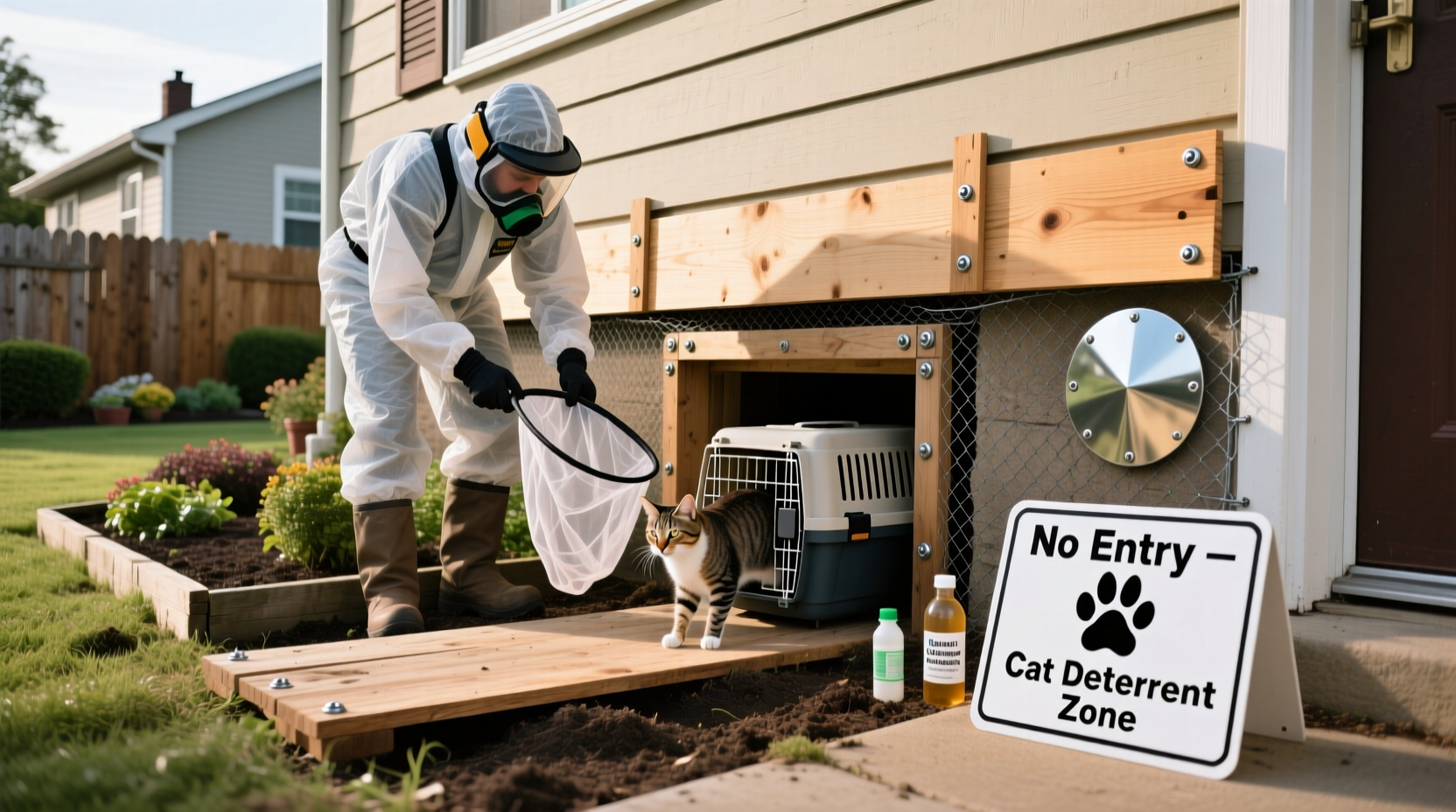
Cats, especially unowned ones, seek out spaces that offer protection from weather and predators. The area under your house—often enclosed by a skirting or foundation walls—provides insulation, dry ground, and seclusion. Common attractants include:
- Warmth from the house structure in colder months
- Shelter from rain, wind, or extreme sun
- Nearby food sources (garbage, pet food, rodents)
- Access points such as damaged vents, crawl space covers, or gaps in siding
Before attempting removal, assess whether the cat is part of a colony, nursing kittens, or merely passing through. Sudden exclusion without ensuring safety could separate mothers from kittens or trap animals inside, leading to distress and damage.
Step-by-Step Guide to Safe and Humane Removal
Removing cats requires patience and planning. Rushing can result in ineffective outcomes or unintended harm. Follow this timeline-based approach for best results:
- Day 1–2: Observation and Assessment
Identify how many cats are present, their size (adult vs. kitten), and when they come and go. Look for signs of nesting or droppings. - Day 3: Contact Local Animal Services
Reach out to animal control or a local TNR (Trap-Neuter-Return) organization. They may assist with trapping and relocation, especially if the cats are feral. - Day 4–5: Deploy Humane Traps (if permitted)
Use live traps baited with strong-smelling food like tuna or canned cat food. Check traps every few hours to avoid prolonged confinement. - Day 6: Temporary Holding and Evaluation
If a cat is trapped, cover the cage with a towel to reduce stress. Do not attempt to touch or release it yourself unless trained. Let professionals handle transport. - Day 7: Seal Entry Points (after confirming no one is inside)
Once all cats are removed, permanently block access using hardware cloth, metal flashing, or concrete patching.
“Never seal an opening if you suspect animals are still inside. Use a temporary barrier first—like plywood with a one-way door—to allow exit but prevent re-entry.” — Dr. Laura Bennett, Wildlife Veterinarian & Urban Ecology Consultant
Proven Deterrents to Prevent Return
Even after successful removal, cats may attempt to return if conditions remain inviting. Combine physical barriers with sensory deterrents for long-term success.
| Deterrent Type | How It Works | Effectiveness Duration |
|---|---|---|
| Commercial Repellents (e.g., predator urine sprays) | Mimics natural threats; triggers flight response | 1–2 weeks (requires reapplication) |
| Ultrasonic Devices | Emits high-frequency sound unpleasant to cats | Variable (some cats habituate) |
| Bright Lighting | Disrupts sense of security; discourages nocturnal use | Ongoing (best with motion sensors) |
| Physical Barriers (hardware cloth, gravel) | Blocks access and creates uncomfortable footing | Permanent if installed correctly |
For maximum impact, combine at least two deterrent types. For example, install motion-activated lighting along with a perimeter of coarse gravel, which cats dislike walking on.
Real Example: Resolving a Persistent Feral Cat Issue in Austin, TX
A homeowner in central Austin noticed persistent meowing and digging under her raised bungalow. After several nights of observation, she identified a group of three adult cats and two kittens using a gap near the water meter as entry. She contacted Austin Pets Alive!, who provided humane traps and guidance.
Over five days, the adults were captured and transferred to a TNR program. The kittens were rescued, socialized, and later adopted. The team advised installing a one-way exclusion door for 72 hours after the last sighting to ensure no stragglers remained. Once confirmed empty, the opening was sealed with galvanized mesh and cement. Motion-activated lights were added, and the homeowner committed to securing trash bins.
Twelve months later, no cats have returned. “It took coordination,” she said, “but working with experts made it humane and permanent.”
Checklist: Removing and Excluding Cats Safely
Use this actionable checklist to ensure you cover all critical steps:
- ✅ Observe activity for at least 48 hours
- ✅ Confirm no nursing kittens are present
- ✅ Contact local animal rescue or TNR program
- ✅ Set humane traps with appropriate bait
- ✅ Monitor traps frequently (every 2–4 hours)
- ✅ Securely cover trap once cat is caught
- ✅ Arrange professional pickup or transport
- ✅ Wait 72 hours after last sighting before sealing
- ✅ Install durable exclusion materials (metal mesh, concrete)
- ✅ Add ongoing deterrents (lighting, texture, scent)
- ✅ Maintain yard cleanliness (no open food or garbage)
Common Mistakes to Avoid
Even well-intentioned efforts can backfire. These missteps reduce effectiveness and may violate local ordinances:
- Sealing too soon: Trapping animals inside can lead to panic, structural damage, or death.
- Using inhumane methods: Poison, smoke, or loud noises are cruel, dangerous, and often illegal.
- Ignoring root causes: If food or warmth remains accessible, new cats will replace those removed.
- Assuming all cats are pests: Some may be owned neighbors’ pets. Knock on doors before taking action.
FAQ
Can I legally remove a cat from under my house?
Yes, but only humanely and in compliance with local laws. Relocating feral cats without permits may be restricted. Always consult animal control before moving cats more than a short distance.
What if I find kittens under my house?
Do not disturb them immediately. Watch for the mother’s return (she may stay away during daylight). Contact a rescue group to help trap and relocate the entire family. Never attempt to raise feral kittens yourself.
Will cats damage the structure under my house?
While cats don’t chew wires or wood like rodents, their urine can corrode insulation and metal, and nesting materials may block vents. Prolonged occupancy increases moisture retention and odor buildup, potentially affecting indoor air quality.
Conclusion: A Humane, Lasting Solution Is Within Reach
Safely removing cats from under your house doesn’t require force or cruelty—it requires strategy, patience, and respect for animal behavior. By combining humane trapping, professional collaboration, and proactive exclusion, you can resolve the issue without compromising ethics or community standards. The goal isn’t just to remove the cats, but to make your property uninviting to future wanderers. With the right tools and mindset, you can restore peace to your home and ensure long-term prevention.




 浙公网安备
33010002000092号
浙公网安备
33010002000092号 浙B2-20120091-4
Comments
No comments yet. Why don't you start the discussion?