
Collectible car figures, especially those themed after iconic franchises like the Avengers, are more than just decorative items—they represent passion, fandom, and sometimes significant investment. However, prolonged exposure to sunlight can degrade their appearance over time, causing colors to fade, plastics to become brittle, and paint finishes to crack. Ultraviolet (UV) radiation is one of the most damaging environmental factors for such collectibles. Fortunately, with the right preventive measures, you can preserve your Avengers car figure in pristine condition for years to come.
Understanding Sun Damage on Collectible Figures
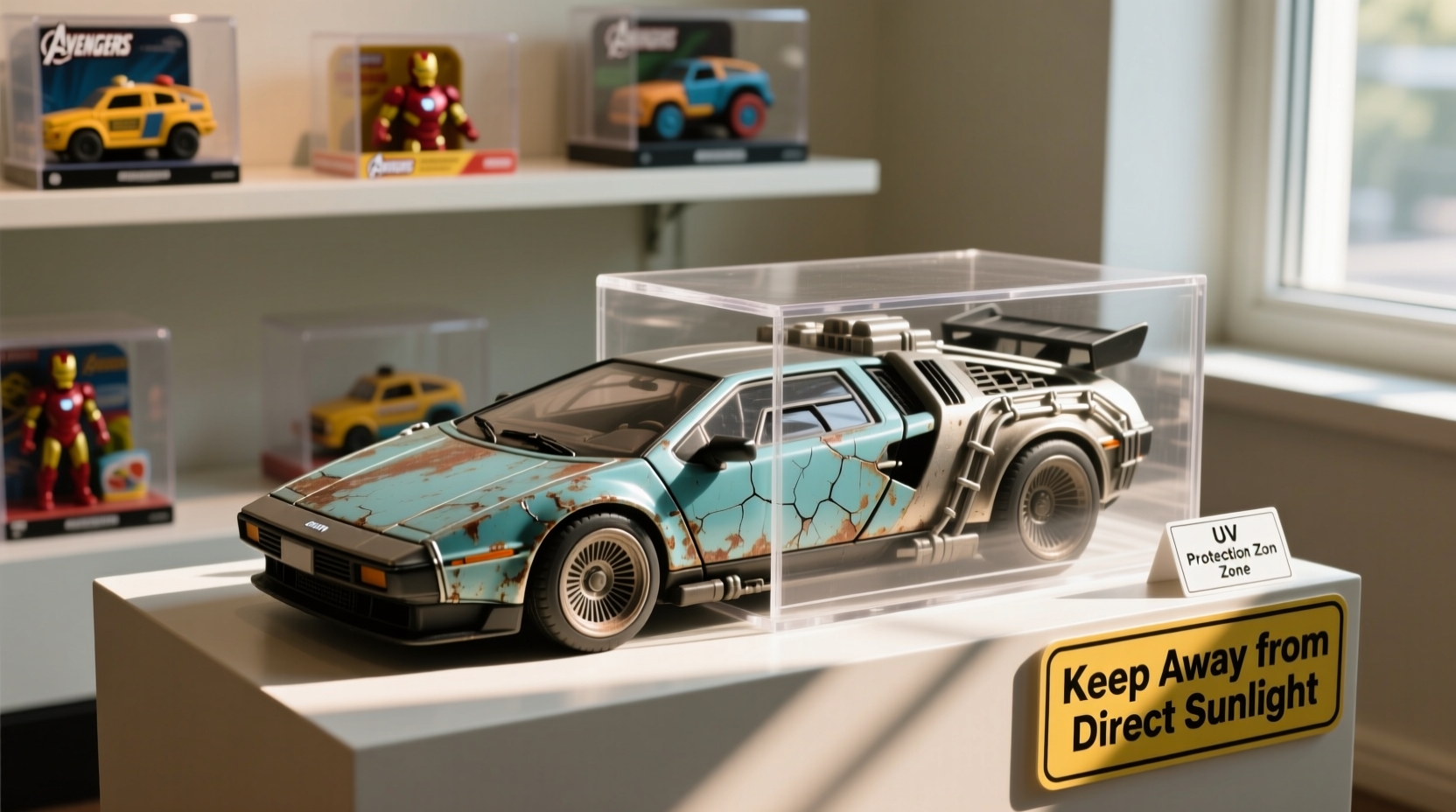
Sunlight, particularly UV rays, breaks down chemical bonds in plastics and dyes used in painted surfaces. This process, known as photodegradation, leads to fading, discoloration, and material weakening. Even indirect sunlight through windows can accumulate damage over weeks and months. Car figures made from polystone, PVC, or ABS plastic—common materials in high-end collectibles—are especially vulnerable. Painted details, metallic finishes, and clear coats may dull or peel when exposed to heat and UV light.
The risk increases if the figure is displayed near a south-facing window, in a sunlit shelf, or inside a vehicle. Heat buildup accelerates the degradation process, making temperature control as important as light protection.
“UV exposure is cumulative. Even brief daily exposure can cause irreversible fading within 6–12 months,” says Dr. Alan Reeves, materials conservation specialist at the National Collectibles Preservation Institute.
Top 5 Protective Strategies
Preserving your Avengers car figure requires a combination of smart placement, physical barriers, and routine maintenance. The following strategies form a comprehensive defense against sun-induced deterioration.
1. Use UV-Blocking Display Cases
A high-quality display case with UV-protective acrylic or glass is one of the most effective ways to shield your collectible. Unlike standard glass, UV-filtering materials block up to 99% of harmful rays while maintaining visibility. Look for cases labeled “museum-grade” or “UV-protected.” These often use laminated acrylic that absorbs UV radiation without distorting color perception.
2. Control Lighting Conditions
Indoor lighting matters. Fluorescent and LED lights emit minimal UV, but halogen and incandescent bulbs generate heat and some UV radiation. Opt for cool-white LEDs with low lumen output (under 300 lumens) for ambient display lighting. Never spotlight your figure with intense beams, as this creates hotspots and accelerates localized fading.
If using natural light, position the display perpendicular to windows or use sheer curtains to diffuse sunlight. Timed blinds or smart shades can automatically lower during peak sun hours (10 a.m. to 4 p.m.).
3. Apply Protective Coatings (With Caution)
For unpainted or matte-finish figures, a thin layer of UV-resistant clear coat can provide an added barrier. Products like Krylon UV-Resistant Clear Acrylic Spray or MG Chemicals UV Protectant Sealant are designed for sensitive surfaces. However, apply sparingly and test on a small, inconspicuous area first—some coatings may alter gloss levels or react poorly with certain plastics.
Do not apply sealants over decals or printed labels, as they may lift or bubble. For factory-painted figures, consult the manufacturer’s care guidelines before any treatment.
4. Rotate and Relocate Regularly
If you maintain multiple collectibles, rotate them periodically. This prevents any single piece from enduring continuous exposure. Store off-display figures in dark, climate-controlled containers. A simple rotation every 6–8 weeks significantly reduces cumulative UV stress.
Relocation is also key. Move the figure away from dashboard displays, sunrooms, or glass shelves during summer months when solar intensity peaks.
5. Maintain Stable Indoor Climate
Temperature and humidity fluctuations worsen sun damage. Ideal storage conditions are between 65–75°F (18–24°C) and 40–50% relative humidity. High heat softens plastic, making it more susceptible to UV breakdown, while low humidity increases brittleness.
Use a hygrometer to monitor room conditions. In humid climates, silica gel packs inside display cases help prevent moisture buildup. In dry areas, a small room humidifier can stabilize air quality.
Do’s and Don’ts: Quick Reference Table
| Do’s | Don’ts |
|---|---|
| Display in UV-protected cases | Place directly in sunlight or near windows |
| Use LED ambient lighting | Use halogen spotlights or unfiltered bulbs |
| Maintain stable room temperature | Store in attics, garages, or cars |
| Clean gently with microfiber cloth | Use alcohol-based cleaners or abrasive wipes |
| Rotate displays seasonally | Leave the same item exposed year-round |
Step-by-Step Protection Plan
Follow this timeline to implement long-term protection for your Avengers car figure:
- Week 1: Assess current display location. Measure UV exposure using a UV index meter app or sensor.
- Week 2: Purchase a UV-protective display case if needed. Clean the figure gently with a dry microfiber cloth.
- Week 3: Install LED lighting and reposition the display away from direct light sources.
- Month 2: Add silica gel packs to the case and monitor humidity for two weeks.
- Every 6 Months: Rotate the figure with another collectible and inspect for early signs of fading or warping.
Real-World Example: Preserving a Limited-Edition Iron Man Corvette
Mark T., a collector from Phoenix, Arizona, owned a limited-edition Avengers-themed Corvette figure with metallic red-and-gold paint. He initially displayed it on a sunlit bookshelf. Within nine months, the gold trim had faded to a dull brown, and the clear coat began to craze. After consulting a preservation expert, he moved the figure into a UV-filtered case, installed smart blinds, and switched to LED lighting. Over the next year, no further degradation occurred. Mark now rotates his top three figures quarterly and uses a digital log to track exposure and condition changes.
His experience underscores a critical point: early intervention can halt damage before it becomes irreversible.
Frequently Asked Questions
Can I leave my Avengers car figure in the car?
No. Interior temperatures in parked vehicles can exceed 160°F (71°C), accelerating plastic deformation and UV damage. Even tinted windows block only 60–70% of UV rays. Always remove collectibles from vehicles.
How do I know if fading has already started?
Compare the current color to original product photos online. Look for dullness, yellowing (especially in white or clear parts), or chalking on painted surfaces. Use a magnifying glass to check for micro-cracks in the finish.
Are all display cases equally effective?
No. Standard plastic or glass offers little UV protection. Choose cases specifically marketed as “UV-blocking” or “museum-safe.” Polycarbonate and acrylic variants with UV inhibitors are best. Verify product specifications before purchasing.
Final Checklist for Long-Term Preservation
- ✅ Place figure in a UV-protective display case
- ✅ Position away from direct sunlight and heat sources
- ✅ Use low-heat LED lighting for illumination
- ✅ Monitor temperature and humidity regularly
- ✅ Clean gently with a dry microfiber cloth monthly
- ✅ Rotate display items every 6–8 weeks
- ✅ Inspect for fading, warping, or cracking twice a year
Protect Your Passion
Your Avengers car figure is more than a toy—it's a tribute to storytelling, design, and personal connection. Sun damage doesn’t happen overnight, but its effects are permanent. By taking proactive steps today, you ensure that every detail, from the gleaming paint to the intricate insignia, remains vibrant for years to come. Whether you're a casual fan or a serious collector, consistent care transforms fleeting enjoyment into lasting legacy.




 浙公网安备
33010002000092号
浙公网安备
33010002000092号 浙B2-20120091-4
Comments
No comments yet. Why don't you start the discussion?