
Cat urine accidents are one of the most common and distressing issues pet owners face. Unlike dogs, cats are naturally fastidious animals, so when they begin urinating outside the litter box, it's usually a sign of something deeper—be it medical, behavioral, or environmental. Ignoring the issue only worsens stress for both you and your cat. The good news is that with the right approach, most cases can be resolved. This guide outlines proven, humane, and practical strategies to identify the root cause and stop inappropriate urination for good.
Rule Out Medical Issues First
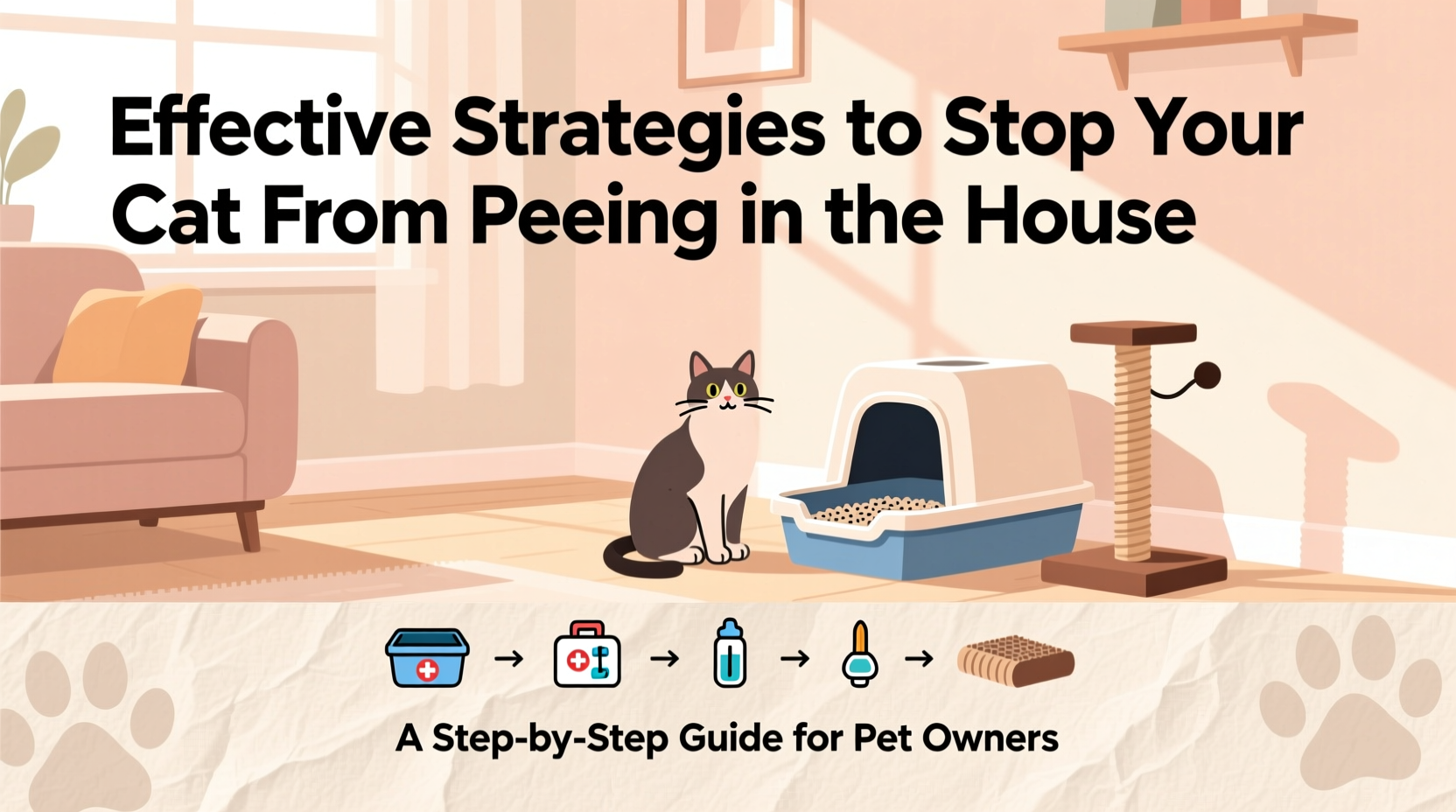
Before assuming behavioral causes, it's critical to eliminate underlying health problems. Urinary tract infections, bladder stones, kidney disease, diabetes, and arthritis can all lead to inappropriate elimination. Cats in pain may associate the litter box with discomfort and avoid it altogether.
A visit to the veterinarian should be your first step. Your vet will likely perform a physical exam, urinalysis, and possibly blood work or imaging. If a medical condition is diagnosed, treatment may resolve the issue immediately.
“Never assume a cat is misbehaving without ruling out medical causes first. Pain and illness are common triggers for litter box avoidance.” — Dr. Sarah Thompson, DVM, Feline Behavior Specialist
Assess Litter Box Hygiene and Placement
Cats are particular about their bathroom habits. A dirty, poorly placed, or inaccessible litter box is a top reason for house soiling. Consider these key factors:
- Cleanliness: Scoop daily and change litter completely at least once a week.
- Number of boxes: Follow the “n+1” rule—one box per cat, plus one extra.
- Location: Place boxes in quiet, low-traffic areas away from loud appliances or food bowls.
- Type of box: Some cats prefer covered boxes for privacy; others dislike them due to poor ventilation. Test both.
- Litter type: Unscented, clumping clay is preferred by most cats. Avoid liners or heavily perfumed litters.
| Litter Box Factor | Best Practice | Common Mistake |
|---|---|---|
| Cleaning Frequency | Daily scooping, full change weekly | Waiting more than 3 days |
| Box Count | n + 1 (e.g., 2 cats = 3 boxes) | Only one shared box |
| Location | Quiet, accessible, multiple floors | Near noisy washer or furnace |
| Litter Depth | 2–3 inches | Too shallow or overfilled |
Identify and Reduce Stress Triggers
Cats are sensitive to changes in their environment. Stress is a leading cause of marking behavior, especially spraying. Common stressors include:
- New pets or people in the home
- Construction or renovations
- Changes in routine
- Outdoor cats visible through windows
- Conflict with other household cats
To reduce stress, create safe zones with hiding spots, vertical spaces (cat trees), and pheromone diffusers like Feliway, which mimic calming facial pheromones.
Mini Case Study: Multi-Cat Household Conflict
Maria adopted a second cat, Luna, hoping her resident cat Milo would have a companion. Within weeks, Milo began peeing on the bedroom rug. After a clean bill of health from the vet, Maria noticed Milo was avoiding the single litter box near the kitchen—Luna often guarded it. She added a second box on the opposite side of the house, installed a Feliway diffuser, and created separate feeding and resting areas. Within ten days, the accidents stopped. The solution wasn’t punishment—it was reducing competition and restoring security.
Step-by-Step Guide to Stopping Inappropriate Urination
Follow this timeline to systematically address and resolve the issue:
- Day 1–2: Schedule a veterinary checkup to rule out medical causes.
- Day 3: Thoroughly clean all soiled areas with an enzymatic cleaner (never ammonia-based).
- Day 4: Audit your litter setup—number, location, cleanliness, and type.
- Day 5: Identify potential stressors (new pets, visitors, outdoor cats).
- Day 6: Add additional litter boxes and optimize placement.
- Day 7: Introduce calming aids like Feliway or interactive toys.
- Week 2–4: Monitor behavior closely and reinforce positive use of the litter box with praise or treats.
- Ongoing: Maintain routine, observe changes, and adjust as needed.
Do’s and Don’ts When Addressing Cat Urination
| Do’s | Don’ts |
|---|---|
| Use enzymatic cleaners to remove odor | Yell at or punish your cat |
| Provide multiple litter boxes in different locations | Move the litter box without warning |
| Keep nails trimmed to reduce scratching near soiled areas | Use strong-smelling disinfectants like bleach |
| Consult a vet or feline behaviorist early | Assume the cat is acting out of spite |
Frequently Asked Questions
Why is my cat peeing on the bed or couch?
This is often territorial marking, especially if the urine is sprayed rather than pooled. It may indicate stress from inter-cat conflict or environmental changes. Neutering can reduce spraying, but stress management is key.
Can I train an older cat to use the litter box again?
Yes. Older cats may struggle due to arthritis or cognitive decline. Provide low-entry boxes, place them near resting areas, and maintain consistency. Patience and accommodation go a long way.
What if cleaning doesn’t stop the recurrence?
If the scent persists despite cleaning, cats may continue returning to the same spot. Use black light to detect hidden stains and reapply enzymatic cleaner. Blocking access temporarily (with furniture or motion-activated alarms) can also help break the habit.
Final Checklist: Action Plan for Success
- ✔ Vet visit completed—no medical issues found
- ✔ All urine spots cleaned with enzymatic cleaner
- ✔ Number of litter boxes follows n+1 rule
- ✔ Boxes are clean, well-placed, and filled with preferred litter <5>✔ Stress factors identified and minimized
- ✔ Calming tools (Feliway, safe spaces) implemented
- ✔ No punishment used—only positive reinforcement
Take Action and Restore Harmony
Stopping your cat from peeing in the house isn’t about discipline—it’s about understanding. Cats don’t eliminate outside the box to annoy you. They’re communicating discomfort, fear, or pain. By approaching the issue with empathy, thoroughness, and consistency, you can resolve the problem and strengthen your bond with your pet. Start today: clean, assess, consult, and adjust. Your cat is counting on you.




 浙公网安备
33010002000092号
浙公网安备
33010002000092号 浙B2-20120091-4
Comments
No comments yet. Why don't you start the discussion?