
Destructive chewing is one of the most common behavioral issues reported by dog owners. From shredded shoes to gnawed baseboards, the aftermath can be costly and frustrating. But before reaching for deterrent sprays or confinement, it’s essential to understand that chewing is a natural behavior. Puppies explore their world with their mouths, adult dogs relieve stress through chewing, and teething puppies need relief. The key isn’t to eliminate chewing—it’s to redirect it appropriately. With consistency, patience, and the right techniques, you can teach your dog what is—and isn’t—acceptable to chew.
Why Dogs Chew: Understanding the Root Causes
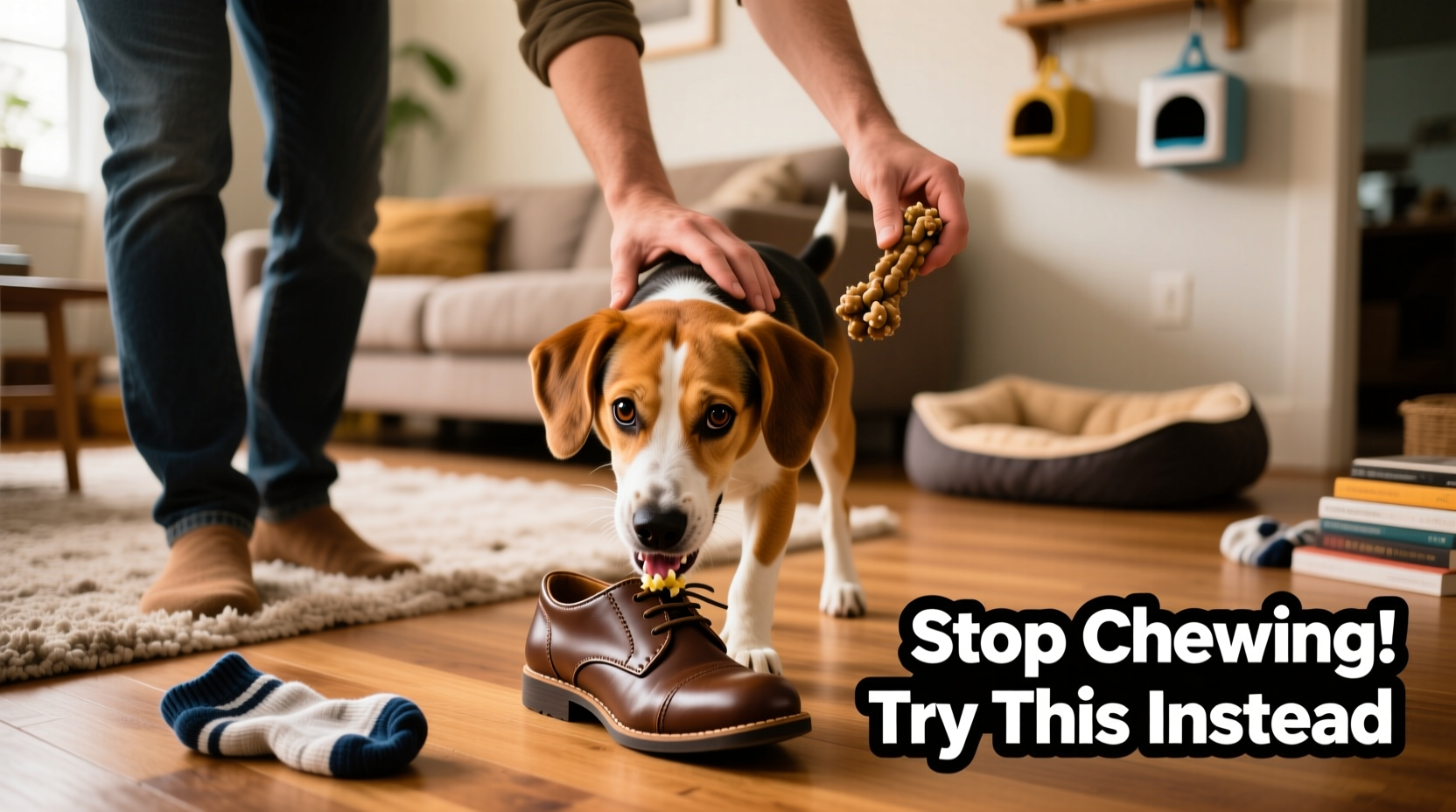
Chewing serves multiple purposes in a dog’s life. Puppies between 3 and 6 months old chew to soothe sore gums during teething. Adult dogs may chew out of boredom, anxiety, excess energy, or lack of mental stimulation. In some cases, compulsive chewing can signal underlying health issues like gastrointestinal discomfort or nutritional deficiencies.
Before correcting the behavior, assess the context:
- Age: Is your dog still a puppy? Teething is normal and temporary.
- Environment: Is your dog left alone for long periods without enrichment?
- Routine: Does your dog get enough physical exercise and mental engagement?
- Stress triggers: Are there changes in the household—new pet, move, separation—that could cause anxiety?
Addressing the root cause ensures your training efforts are effective and humane.
Step-by-Step Guide to Redirect Chewing Behavior
Changing chewing habits requires structure and repetition. Follow this timeline to guide your dog toward appropriate alternatives:
- Day 1–3: Remove Temptations
Secure shoes, cords, furniture legs, and other off-limits items. Use baby gates or close doors to restrict access to high-risk areas. - Day 4–7: Introduce Appropriate Chew Toys
Provide a variety of safe, durable options—rubber Kongs, nylon bones, rope toys. Choose based on your dog’s size and chewing strength. - Week 2: Reinforce Positive Choices
Whenever your dog picks up an approved toy, praise enthusiastically or offer a treat. This builds positive association. - Week 3: Interrupt and Redirect
If you catch your dog chewing something inappropriate, calmly say “Leave it,” remove the item, and replace it with a chew toy. Avoid yelling—it can increase anxiety. - Week 4+: Maintain Consistency
Continue supervision, especially during high-risk times like after meals or when left alone.
This gradual process teaches decision-making while building trust.
Effective Training Tools and Techniques
Not all chew deterrents are created equal. Some rely on fear or pain, which can damage your relationship with your dog. Instead, focus on positive reinforcement and environmental management.
| Method | How It Works | Effectiveness |
|---|---|---|
| Positive Reinforcement | Rewarding use of appropriate chew toys | ⭐⭐⭐⭐☆ (High) |
| Bitter Sprays | Makes objects taste unpleasant | ⭐⭐☆☆☆ (Moderate, short-term) |
| Crate Training | Provides a safe, chew-free zone when unsupervised | ⭐⭐⭐⭐☆ (High, if properly introduced) |
| Interactive Puzzle Toys | Keeps dog mentally engaged, reducing destructive urges | ⭐⭐⭐⭐☆ (High) |
| Punishment-Based Correction | Yelling, spraying water, shock collars | ⭐☆☆☆☆ (Low, risks fear and aggression) |
The most sustainable results come from combining supervision, redirection, and enrichment—not punishment.
Mini Case Study: Turning Around Max’s Destructive Habits
Max, a 7-month-old Labrador mix, was destroying his owner’s sneakers, couch corners, and even electrical cords. His owner, Sarah, had tried scolding and bitter sprays with little success. After consulting a certified dog trainer, she implemented a new plan:
- She began confining Max to the kitchen with a stuffed Kong when leaving the house.
- She introduced three different types of chew toys and rotated them every few days.
- She started daily 30-minute walks and added 10 minutes of obedience training.
- Whenever Max chewed a toy, she praised him and occasionally dropped treats nearby.
Within four weeks, Max stopped targeting household items. By week six, he consistently chose his rubber bone over shoes. The turning point wasn’t discipline—it was providing better alternatives and meeting his needs.
“Dogs don’t misbehave to spite us. They act based on their environment and instincts. Our job is to guide them with clarity and kindness.” — Dr. Karen Becker, Veterinary Behaviorist
Essential Checklist for Stopping Destructive Chewing
Use this checklist to ensure you’re covering all bases:
- ✅ Remove or secure tempting non-toy items (shoes, remotes, cords)
- ✅ Stock a variety of safe, age-appropriate chew toys
- ✅ Supervise closely during high-chew-risk times (after meals, when excited)
- ✅ Provide at least 30–60 minutes of daily physical exercise
- ✅ Offer mental stimulation (puzzle feeders, training games)
- ✅ Crate train or use a dog-proof room when unsupervised
- ✅ Respond calmly when catching inappropriate chewing—redirect, don’t punish
- ✅ Consult a vet if chewing is sudden, excessive, or paired with other symptoms
Frequently Asked Questions
How long does it take to stop a dog from chewing everything?
Most dogs show improvement within 2–4 weeks of consistent training. Full correction depends on age, temperament, and how well their physical and mental needs are met. Puppies typically grow out of intense chewing by 9–12 months, but adult dogs require ongoing enrichment to prevent relapse.
Are antler or rawhide chews safe?
Antlers can be too hard and may crack teeth, especially in aggressive chewers. Rawhide poses choking and digestive risks if swallowed in large pieces. Safer alternatives include rubber toys (like Kong), bully sticks (supervised), and dental chews approved by veterinary organizations.
My dog only chews when I’m not home. What should I do?
This often indicates separation anxiety or under-stimulation. Try leaving behind a food-stuffed puzzle toy or frozen broth-filled Kong. Consider installing a pet camera to observe behavior. If chewing is accompanied by pacing, whining, or house soiling, consult a veterinary behaviorist.
Conclusion: Building Better Habits Through Understanding
Stopping destructive chewing isn’t about dominance or discipline—it’s about leadership through empathy and structure. Dogs thrive when they know what’s expected and have acceptable outlets for their instincts. By removing temptations, offering appealing alternatives, and reinforcing good choices, you create an environment where your dog can succeed.
Remember, every chewed shoe is a communication. Your dog isn’t being defiant; they’re responding to unmet needs. Address those, and the behavior fades naturally.




 浙公网安备
33010002000092号
浙公网安备
33010002000092号 浙B2-20120091-4
Comments
No comments yet. Why don't you start the discussion?