
Dogs bring joy, loyalty, and companionship into our lives, but their health depends heavily on proactive care. One of the most common—and often overlooked—health issues in canines is intestinal parasites, commonly known as worms. From roundworms to tapeworms, these internal invaders can cause discomfort, illness, and even serious complications if left untreated. The good news is that with proper knowledge and consistent care, worm infestations are both treatable and highly preventable. This guide equips pet owners with science-backed strategies to protect their dogs and maintain long-term digestive and overall health.
Understanding Common Types of Worms in Dogs
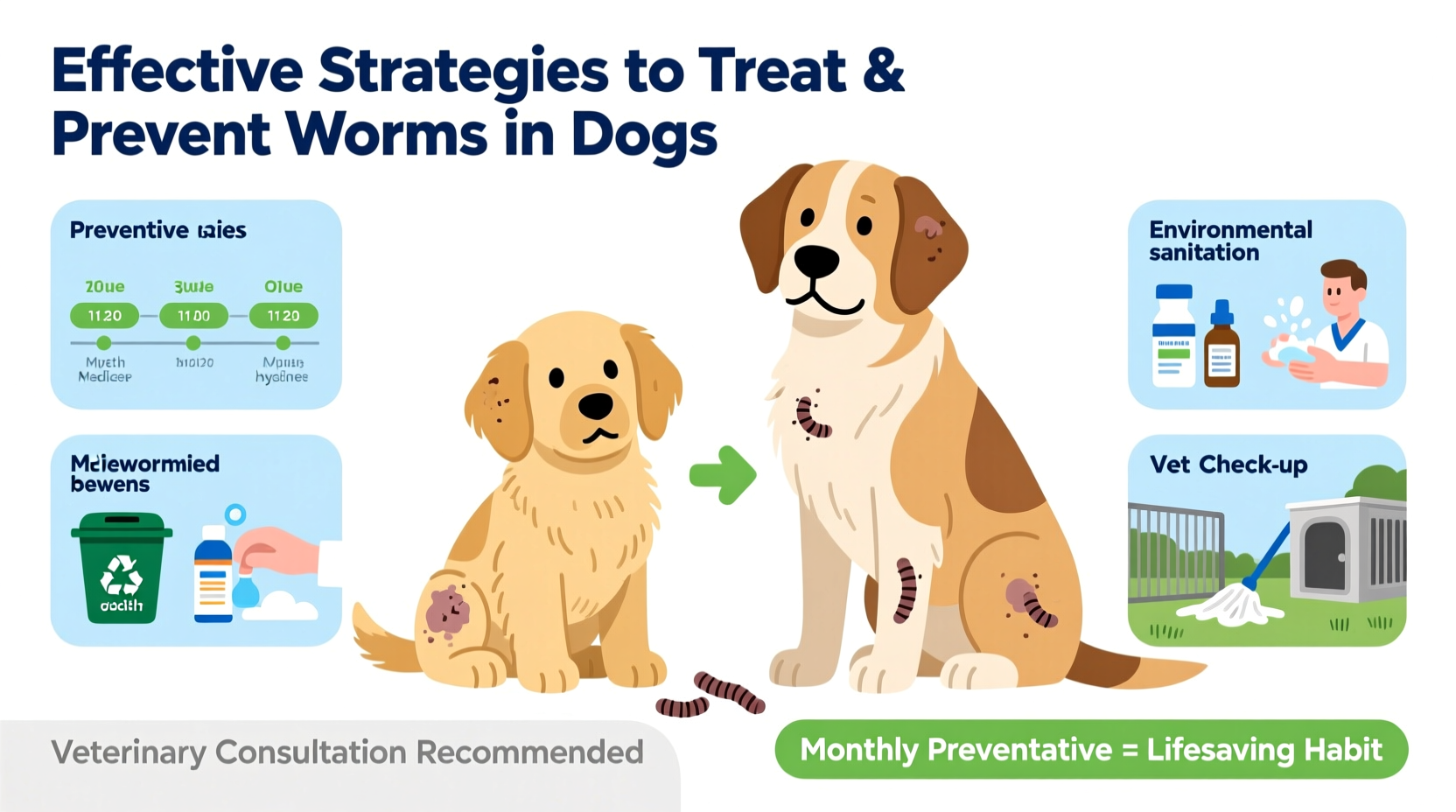
Dogs can be infected by several types of parasitic worms, each with distinct transmission methods and symptoms. Recognizing the differences helps ensure timely treatment and accurate prevention.
- Roundworms: Most common in puppies; transmitted through mother’s milk or ingestion of contaminated soil.
- Hookworms: Can penetrate skin or be ingested; cause anemia due to blood feeding.
- Whipworms: Found in the large intestine; difficult to detect because eggs are shed irregularly.
- Tapeworms: Acquired by ingesting fleas or raw meat; segments resemble rice grains near the anus.
- Heartworms: Transmitted by mosquitoes; affect the heart and lungs, potentially fatal if untreated.
While gastrointestinal worms primarily impact digestion, heartworms pose systemic risks requiring specialized intervention. Early detection is crucial across all types.
Recognizing Symptoms of Worm Infestation
Some dogs show obvious signs of infection, while others may appear healthy despite carrying parasites. Common indicators include:
- Dull coat and weight loss despite normal appetite
- Diarrhea, sometimes with blood or mucus
- Vomiting, occasionally with visible worms
- Pot-bellied appearance (especially in puppies)
- Excessive licking or “scooting” due to anal irritation
- Lethargy and decreased activity levels
In severe cases, anemia, coughing (in heartworm infections), or intestinal blockages may occur. Puppies are particularly vulnerable, as worms can impair growth and development.
“Many worm infections are silent until they reach advanced stages. Regular fecal testing is the only way to catch them early.” — Dr. Lena Peterson, DVM, Veterinary Parasitology Specialist
Effective Treatment Options Based on Worm Type
Treatment must be tailored to the specific parasite. Over-the-counter dewormers may not address all species, and improper use can lead to resistance or incomplete eradication.
| Worm Type | Common Medication | Dosing Frequency | Notes |
|---|---|---|---|
| Roundworms | Pyrantel pamoate | One dose, repeat in 2–3 weeks | Essential for puppies at 2, 4, 6, and 8 weeks |
| Hookworms | Fenbendazole | 5–7 days, repeat as needed | Kills adult worms and some larvae |
| Whipworms | Fenbendazole or Milbemycin oxime | 7 consecutive days | Requires extended treatment due to lifecycle |
| Tapeworms | Praziquantel | Single dose | Must control fleas to prevent reinfestation |
| Heartworms | Melarsomine (injections) | Administered over several months | Prevention preferred; treatment is risky and costly |
Veterinarians typically confirm diagnosis through fecal float tests or blood work (for heartworms). Never administer medication without professional guidance, especially in young, elderly, or chronically ill dogs.
Prevention: A Proactive Approach to Long-Term Health
Preventing worm infections is far safer and more cost-effective than treating them. A comprehensive prevention plan includes multiple layers of protection.
- Monthly Preventatives: Use vet-approved oral or topical products that target multiple parasites, including heartworms.
- Regular Fecal Exams: Schedule twice-yearly stool tests, even for asymptomatic dogs.
- Flea Control: Since fleas carry tapeworms, consistent flea management breaks the transmission cycle.
- Prompt Waste Removal: Clean up dog waste within 24 hours to reduce environmental contamination.
- Avoid Risky Behaviors: Discourage scavenging, hunting, or drinking from stagnant water sources.
- Puppy Protocols: Deworm all puppies starting at 2 weeks, then every 2 weeks until 8 weeks old.
Mini Case Study: Bella, the Rescue Beagle
Bella, a 10-month-old beagle adopted from a rural shelter, arrived with a dull coat and intermittent diarrhea. Her new owner noticed small, moving segments near her tail one evening. A vet visit confirmed tapeworms and a mild hookworm infection. Bella was treated with praziquantel and a 7-day course of fenbendazole. The vet also discovered she had never received flea prevention. After implementing a monthly broad-spectrum preventative and strict yard cleanup, Bella gained weight, her coat regained shine, and follow-up fecal tests came back clear. This case highlights how combined parasite exposure and lack of prevention can compromise health—and how targeted treatment plus lifestyle changes lead to full recovery.
Step-by-Step Guide to Year-Round Worm Prevention
Follow this timeline to maintain consistent protection throughout the year:
- January & July: Schedule wellness checkups with fecal exam and heartworm test.
- Every Month: Administer prescribed preventive medication on the same date.
- After Outdoor Activity: Check for fleas and clean paws to reduce ingestion risk.
- Daily: Pick up feces immediately to prevent egg spread.
- Before Traveling: Consult your vet about regional parasite risks and adjust prevention if needed.
- Year-Round: Keep dogs away from wildlife feces, compost piles, and raw meat.
This routine ensures continuous coverage, adapts to seasonal risks, and supports early detection.
Frequently Asked Questions
Can humans get worms from their dogs?
Yes. Roundworms and hookworms are zoonotic and can infect humans, especially children, through contact with contaminated soil or surfaces. Always wash hands after handling pets or cleaning waste, and keep play areas clean.
Are natural remedies effective against worms?
No reliable scientific evidence supports the use of garlic, pumpkin seeds, or diatomaceous earth as standalone treatments. These may offer minor supportive benefits but cannot replace FDA-approved dewormers. Relying on them risks under-treatment and ongoing health damage.
How often should adult dogs be dewormed?
Healthy adult dogs on monthly preventatives typically don’t need routine deworming beyond their scheduled medications. However, biannual fecal exams are recommended to detect any breakthrough infections.
Conclusion: Protect Your Dog with Knowledge and Consistency
Worms are a preventable threat when pet owners stay informed and vigilant. From recognizing subtle symptoms to adhering to a structured prevention plan, every action contributes to your dog’s well-being. Remember that even indoor dogs are at risk—mosquitoes enter homes, fleas hitch rides on clothing, and microscopic eggs persist in environments. Partner with your veterinarian, stick to a proven schedule, and make parasite control a non-negotiable part of your pet care routine.




 浙公网安备
33010002000092号
浙公网安备
33010002000092号 浙B2-20120091-4
Comments
No comments yet. Why don't you start the discussion?