
Building strength through resistance training is one of the most effective ways to improve physical performance, boost metabolism, and enhance overall health. However, lifting weights without proper technique can lead to injury, plateaus, or long-term joint damage. Maximizing strength while prioritizing safety requires more than just effort—it demands precision, consistency, and intelligent programming. This guide outlines proven methods to help you lift smarter, grow stronger, and protect your body over the long term.
Mastering Proper Form: The Foundation of Safe Strength
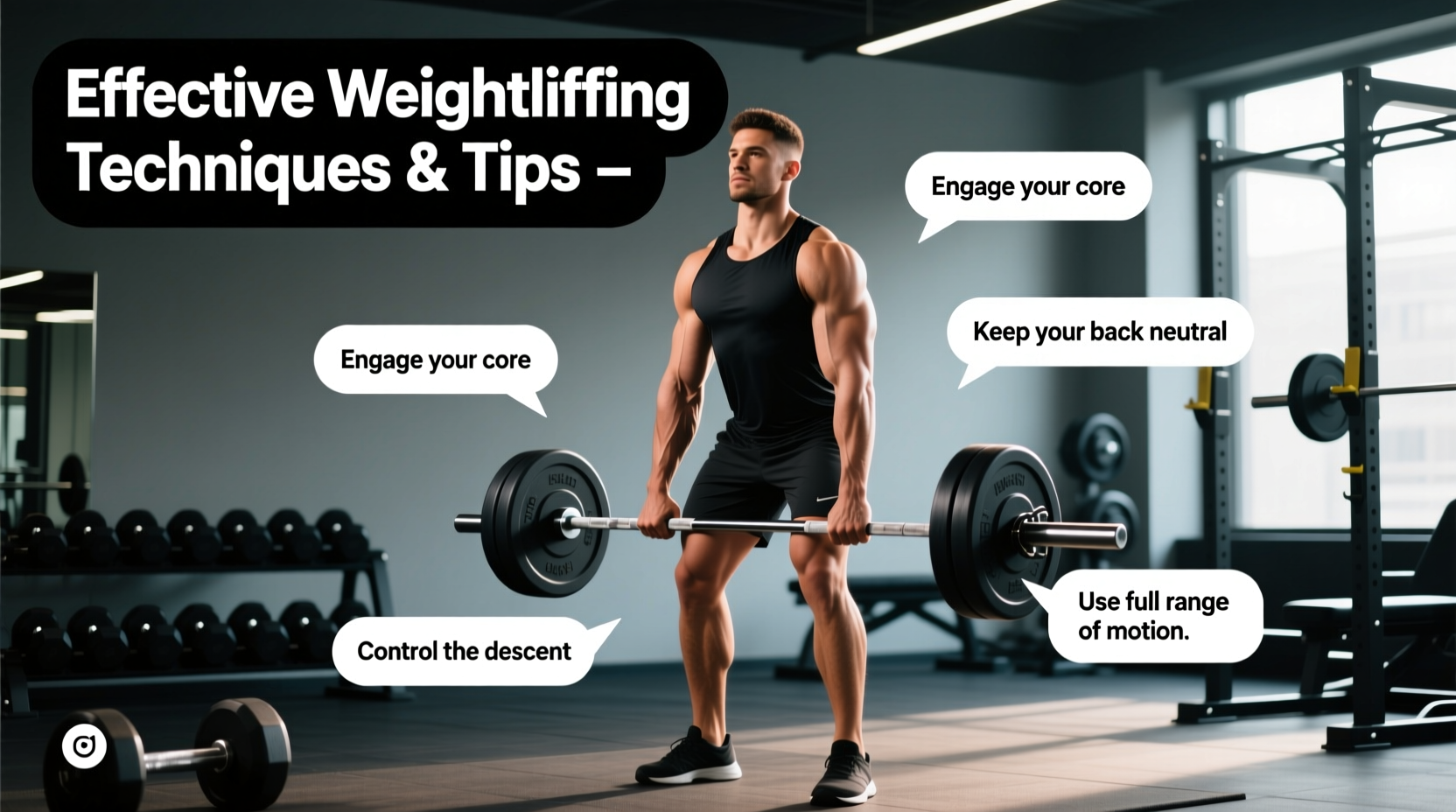
Form is not a secondary concern—it’s the cornerstone of effective weight training. Poor mechanics increase stress on joints and connective tissues while reducing muscle activation. Whether performing squats, deadlifts, or overhead presses, alignment and control determine both results and risk.
Key principles of proper form include maintaining a neutral spine, engaging the core throughout movement, and moving through a full, controlled range of motion. For example, during a barbell squat, the knees should track over the toes without collapsing inward, and the chest should remain upright to prevent lower back strain.
Beginners should start with lighter loads to establish neuromuscular patterns before progressing. Even experienced lifters benefit from periodic “form checks” using mirrors, cues, or coaching feedback.
Progressive Overload Done Right
Strength gains occur when muscles are challenged beyond their current capacity—a principle known as progressive overload. However, progression must be gradual and strategic to avoid overtraining or injury.
The most sustainable approach involves small, consistent increases in intensity, volume, or frequency. Instead of drastically increasing weight week to week, aim for incremental jumps—typically 2.5% to 5% for compound lifts. Alternatively, add reps, sets, or reduce rest time between sets to drive adaptation.
“Strength isn’t built in a single heavy lift—it’s earned through disciplined, intelligent progression over months and years.” — Dr. Mike Israetel, Sports Scientist and Co-Founder of Renaissance Periodization
Tracking workouts in a logbook or app allows you to monitor progress objectively and adjust based on recovery and performance. Sudden drops in strength or increased fatigue may signal overreaching, warranting deload weeks to promote recovery.
Essential Weight Training Techniques for Maximum Gains
Beyond basic form, specific lifting techniques amplify strength development and muscular engagement:
- Eccentric Control: Focus on slowing the lowering phase (e.g., taking 3–4 seconds to descend in a bench press). Eccentric loading builds tendon resilience and increases time under tension.
- Explosive Concentric Movement: Push or pull the weight as fast as possible (while maintaining control) during the lifting phase. This recruits high-threshold motor units critical for strength.
- Bracing: Engage the core by drawing the abdomen in and creating intra-abdominal pressure before initiating a lift. This stabilizes the spine during heavy compound movements.
- Tempo Training: Use prescribed tempos (e.g., 3-1-2: 3 seconds down, 1 second pause, 2 seconds up) to regulate movement quality and stimulate hypertrophy.
Do’s and Don’ts of Weight Training: A Quick Reference Table
| Category | Do | Don't |
|---|---|---|
| Warm-Up | Perform dynamic stretches and light sets matching the day’s movements | Jump straight into heavy lifting cold |
| Lifting Mechanics | Keep spine neutral and engage core | Round your back during deadlifts or squats |
| Progression | Increase load gradually and track progress | Add 10+ pounds per session recklessly |
| Recovery | Take deload weeks every 6–8 weeks | Train through persistent joint pain |
| Nutrition & Sleep | Consume adequate protein and sleep 7–9 hours | Skip meals and sleep less than 6 hours regularly |
A Real-World Example: From Injury to Strength
James, a 32-year-old software engineer, began weight training to improve his posture and energy levels. Initially enthusiastic, he loaded the bar quickly, aiming for personal records within weeks. After six weeks, he developed sharp knee pain during squats and lower back discomfort during deadlifts.
He consulted a physical therapist who identified two key issues: excessive forward knee travel during squats and poor hip hinge mechanics. James reset his training, dropped to 50% of his working weight, and focused on form drills, mobility work, and tempo-controlled lifts. Over the next four months, he rebuilt his foundation with bodyweight exercises, goblet squats, and Romanian deadlifts.
By month five, James returned to heavier loads—with better depth, control, and zero pain. His squat increased steadily from 135 lbs to 275 lbs over nine months, all while avoiding further injury. His story underscores that patience and precision yield longer-term gains than aggressive, unguided lifting.
Step-by-Step Guide to a Safer, Stronger Lift
Follow this sequence before each major compound lift to ensure safety and effectiveness:
- Prepare Your Mind and Body: Spend 5–10 minutes on dynamic warm-ups (leg swings, arm circles, cat-cow stretches).
- Practice Bracing: Take a deep breath into your belly, tighten your abs as if preparing for a punch, and maintain this tension.
- Set Your Position: Align feet, grip, and torso according to the movement (e.g., shoulder-width stance for squats).
- Initiate the Movement Smoothly: Begin the concentric phase with control, avoiding jerking or bouncing.
- Control the Eccentric Phase: Lower the weight slowly and deliberately, resisting gravity.
- Pause if Needed: Brief pauses at transition points (e.g., bottom of a squat) improve stability and force production.
- Breathe Strategically: Exhale during exertion (lifting), inhale during relaxation (lowering).
- Assess and Adjust: After each set, reflect on form. Did your back stay neutral? Was the movement smooth?
Frequently Asked Questions
How do I know if I’m lifting too much weight?
Signs include compromised form, inability to complete reps with control, excessive joint pain, or prolonged soreness lasting more than 72 hours. If you’re sacrificing technique for load, it’s time to scale back.
Can I build strength without going to failure?
Absolutely. In fact, training 1–3 reps shy of failure on most sets reduces fatigue and injury risk while still promoting strength gains. Reserve failure sets for select isolation exercises and low-frequency use.
Is it safe to lift weights every day?
Yes, provided you rotate muscle groups and prioritize recovery. Full-body workouts should be spaced at least 48 hours apart, but you can train different areas daily (e.g., upper body Monday, lower body Tuesday).
Final Thoughts: Strength Built to Last
True strength is not measured solely by how much you can lift today, but by how well you can continue lifting tomorrow. The most effective lifters aren’t always the strongest—they’re the ones who respect their bodies, refine their technique, and progress with purpose. By applying these evidence-based techniques, you protect your joints, maximize muscle recruitment, and lay the foundation for lifelong strength.




 浙公网安备
33010002000092号
浙公网安备
33010002000092号 浙B2-20120091-4
Comments
No comments yet. Why don't you start the discussion?