
Diatomaceous earth (DE) pads are widely used in filtration systems, particularly in swimming pools, due to their exceptional ability to capture microscopic particles. Over time, however, these pads can accumulate organic debris, algae, mineral deposits, and other contaminants that appear as stains. These stains not only affect the appearance of the pads but also reduce their filtration efficiency. Proper cleaning and stain removal are essential to maintain optimal system performance and extend pad lifespan. This guide provides a comprehensive breakdown of proven techniques to safely and effectively remove stains from DE pads.
Understanding Diatomaceous Earth Pads and Common Stains
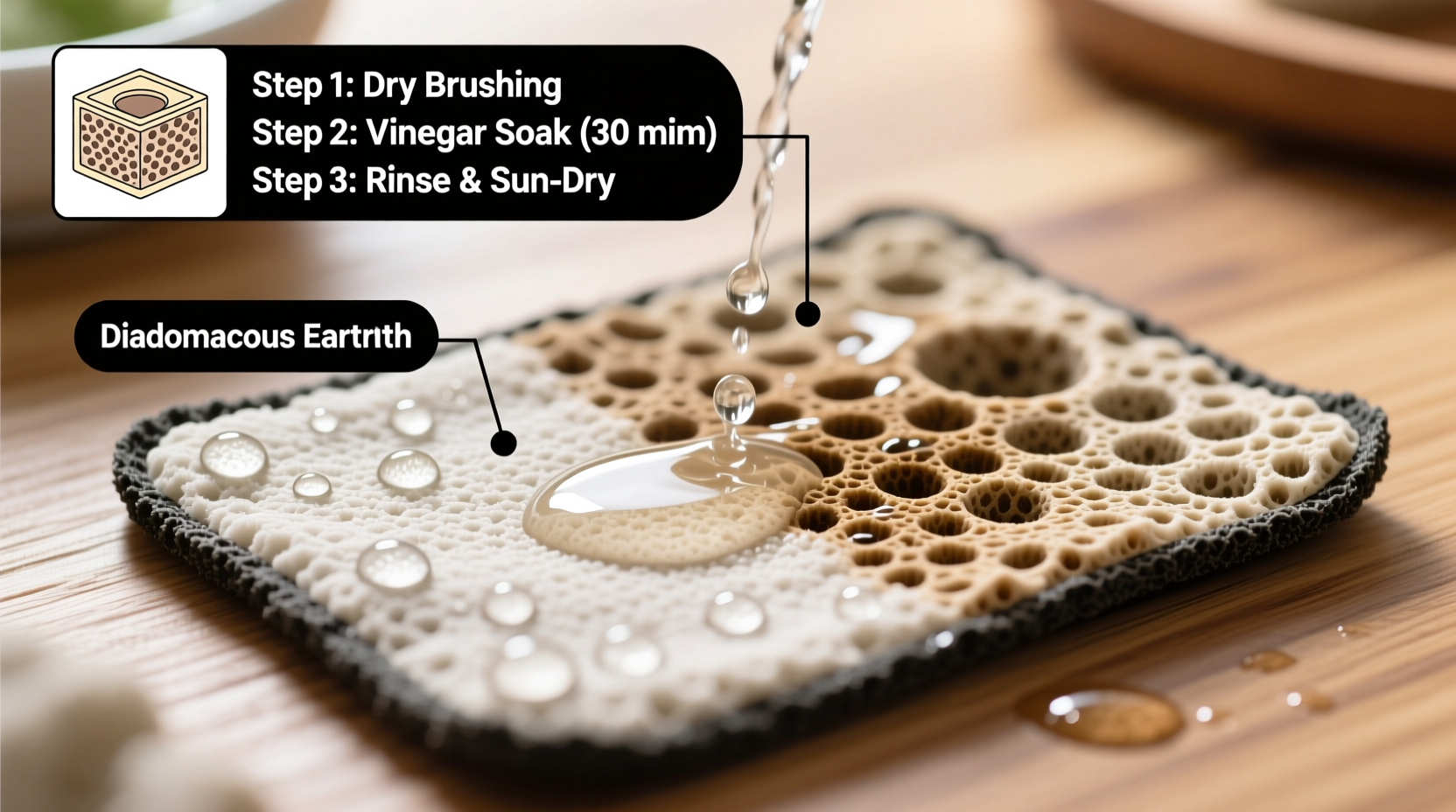
Diatomaceous earth pads function by trapping fine particles as water passes through their porous structure. The pads are typically housed in a filter grid assembly and coated with food-grade DE powder. While highly efficient, they are prone to staining caused by various sources:
- Organic stains: From leaves, algae, sweat, oils, and other biological matter.
- Iron and manganese stains: Caused by high mineral content in source water, resulting in reddish-brown or black discoloration.
- Calcium scaling: Hard white crusts formed by calcium buildup, especially in hard water areas.
- Chlorine lock residue: Oxidized chloramines and other disinfection byproducts that embed into the fabric.
Stains compromise the micro-pores of the pads, reducing flow rate and filtration effectiveness. Regular inspection and timely cleaning prevent permanent damage and costly replacements.
Step-by-Step Guide to Cleaning Stained DE Pads
Cleaning stained DE pads requires a methodical approach. Aggressive scrubbing or improper chemicals can degrade the fabric mesh. Follow this sequence for best results:
- Shut down the system: Turn off the pump and release pressure from the filter tank.
- Remove the grids: Carefully take out the DE filter elements, handling them by the frame to avoid tearing the fabric.
- Rinse with hose: Use a garden hose with a spray nozzle to flush loose debris and residual DE powder from both sides of the pads.
- Soak in cleaning solution: Submerge the pads in an appropriate cleaning bath based on stain type (details below).
- Gentle brushing: After soaking, use a soft nylon brush to lightly scrub stained areas. Avoid wire brushes or abrasive pads.
- Rinse thoroughly: Flush all cleaning agents from the pads until runoff water runs clear.
- Air dry completely: Lay pads flat in a shaded, well-ventilated area. Never expose them to direct sunlight, which degrades the polymer coating.
- Reassemble and recharge: Reinstall the clean pads and add fresh DE powder to the system.
Recommended Soaking Solutions by Stain Type
| Stain Type | Recommended Solution | Soak Time | Notes |
|---|---|---|---|
| Organic (algae, oils) | 1 part household bleach to 5 parts water | 4–6 hours | Effective but corrosive; rinse extremely well afterward. |
| Iron/Manganese | Polyphosphate-based filter cleaner or citric acid solution (2 cups per 5 gallons water) | 6–8 hours | Avoid hydrochloric acid unless pads are heavily scaled and manufacturer-approved. |
| Calcium Scaling | Diluted muriatic acid (1 part acid to 10 parts water) | 15–30 minutes (monitor closely) | Wear gloves and eye protection. Neutralize with baking soda after rinsing. |
| General Maintenance | Non-abrasive dishwasher detergent (unscented) in warm water | 2–4 hours | Suitable for routine cleaning without visible staining. |
“Many pool owners wait too long to clean their DE pads, leading to irreversible clogging. A bi-monthly soak in a mild detergent solution can prevent 80% of staining issues.” — Dr. Alan Reeves, Water Filtration Specialist, Aquatic Systems Institute
Common Mistakes to Avoid When Cleaning DE Pads
Improper cleaning is a leading cause of premature DE pad failure. Avoid these common errors:
- Using high-pressure washers: Can tear the delicate fabric mesh. Stick to moderate hose pressure.
- Overusing acid: Muriatic acid is effective for scale but damages pads if overused or left too long.
- Drying in direct sunlight: UV rays degrade the binding polymers, causing delamination.
- Stacking wet pads: Promotes mold and uneven drying. Always lay them flat with space between.
- Skipping post-cleaning rinse: Residual chemicals can contaminate pool water and irritate swimmers.
Real-World Example: Restoring Heavily Stained Pool Filter Pads
In Phoenix, Arizona, homeowner Maria Lopez noticed her pool water becoming cloudy despite regular chemical balancing. Upon inspecting her DE filter, she found dark brown streaks across the pads—indicative of iron-rich groundwater combined with seasonal pollen buildup. She initially tried rinsing and light brushing, but the stains persisted.
Following expert advice, she prepared a soaking bath using a commercial iron-removal filter cleaner mixed with citric acid. The pads soaked for seven hours, then were gently brushed and rinsed. After reinstallation, her pool’s clarity improved within two pump cycles. By switching to quarterly deep cleans, she avoided needing replacement pads for over three years—nearly double the typical lifespan in her region.
Preventive Maintenance Checklist
To minimize staining and extend pad life, follow this preventive checklist:
- ✅ Backwash the DE filter when pressure rises 8–10 psi above clean baseline.
- ✅ Rinse pads with a hose after each backwash cycle.
- ✅ Perform a deep clean every 4–6 months, or more often in high-use periods.
- ✅ Test source water for iron, pH, and hardness; treat accordingly.
- ✅ Store spare pads in a sealed bin away from moisture and sunlight.
- ✅ Replace DE powder after each cleaning to ensure full coverage.
Frequently Asked Questions
Can I use vinegar instead of citric acid for iron stains?
Yes, white vinegar can help with mild iron staining, but it is less effective than citric acid or specialized cleaners. For heavy deposits, citric acid dissolves minerals more efficiently and is less odorous. Vinegar may require longer soak times and multiple applications.
How do I know if my DE pads need replacing instead of cleaning?
If the fabric shows tears, warping, or persistent clogging even after thorough cleaning, replacement is necessary. Also, if water clarity does not improve post-cleaning and backwashing, the pads may be beyond recovery. Most DE pads last 3–5 years with proper care.
Is it safe to mix bleach and acid for tougher stains?
No. Mixing bleach (sodium hypochlorite) with any acid produces toxic chlorine gas. Always use one cleaning agent at a time, rinse thoroughly between treatments, and never combine chemicals in the same bath.
Conclusion: Maintain Clean Pads for Optimal Filtration
Keeping diatomaceous earth pads free from stains is not just about aesthetics—it's critical for maintaining water quality and system efficiency. With the right cleaning techniques, timing, and preventive habits, you can significantly extend the life of your DE filter components and enjoy consistently clear water. Whether dealing with organic buildup, mineral stains, or scaling, the key is early intervention and using the correct solution for the specific contaminant.




 浙公网安备
33010002000092号
浙公网安备
33010002000092号 浙B2-20120091-4
Comments
No comments yet. Why don't you start the discussion?