
Nasal hygiene is often overlooked, yet it plays a crucial role in maintaining respiratory health, reducing congestion, and improving overall breathing comfort. A congested or irritated nasal passage can disrupt sleep, impair concentration, and increase susceptibility to infections. Fortunately, several safe and scientifically supported methods exist to gently cleanse the nasal cavity, remove allergens, and promote clearer airflow. Whether you suffer from seasonal allergies, chronic sinus issues, or simply want to maintain optimal nasal health, adopting proper cleaning practices can make a meaningful difference.
Why Nasal Hygiene Matters
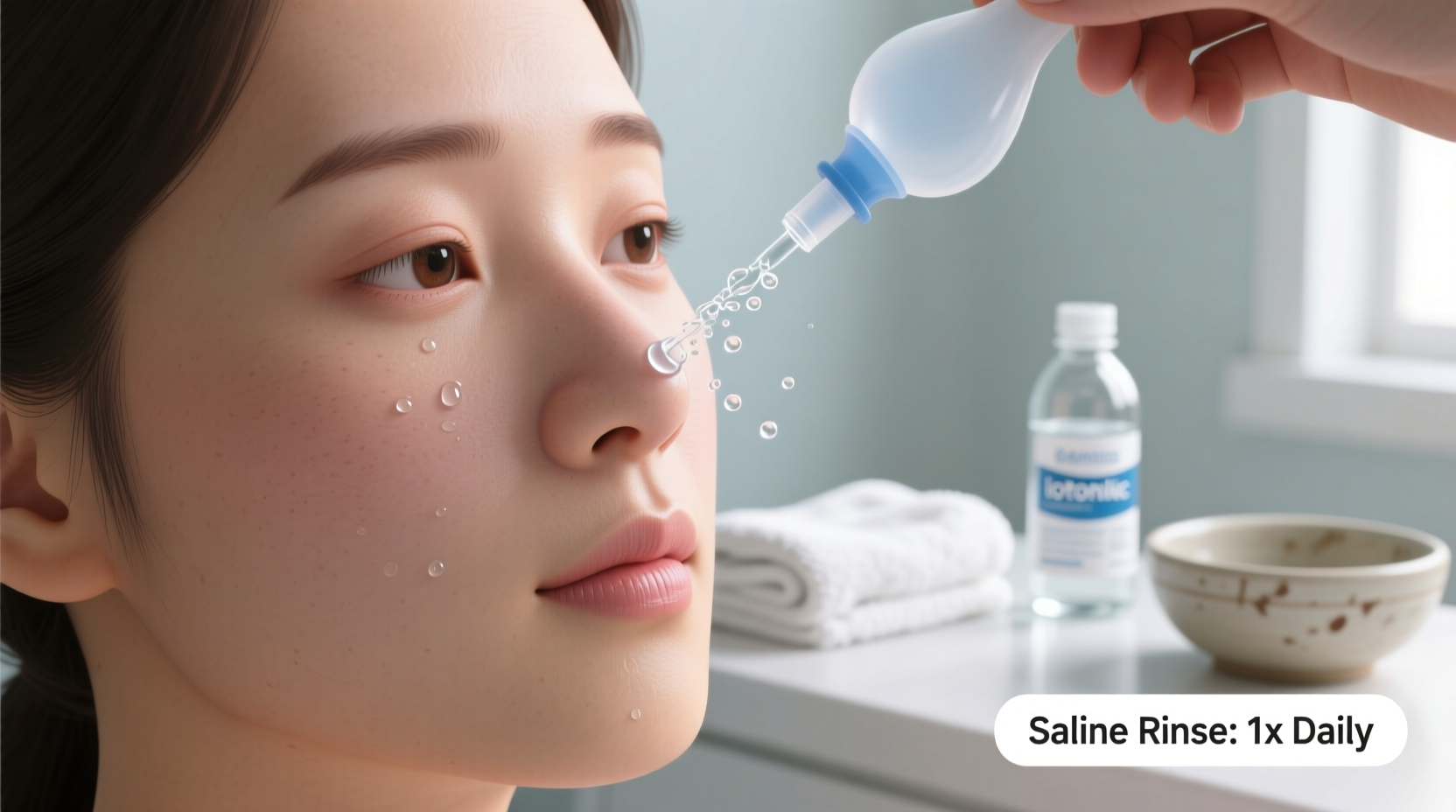
The nose acts as the body’s first line of defense against airborne pollutants, including dust, pollen, bacteria, and viruses. Tiny hair-like structures called cilia and a layer of mucus trap these particles before they reach the lungs. However, when this system becomes overwhelmed—due to pollution, dry air, or illness—the nasal passages can become inflamed, blocked, or infected.
Regular nasal cleansing helps restore natural function by flushing out irritants, thinning mucus, and supporting ciliary movement. Studies show that routine nasal irrigation can reduce symptoms in people with allergic rhinitis, chronic sinusitis, and colds. It may also decrease reliance on decongestants and antihistamines over time.
“Maintaining nasal hygiene is as important as brushing your teeth. A clean nasal passage supports better breathing, fewer infections, and improved quality of life.” — Dr. Lena Patel, Otolaryngologist
Safe and Effective Cleaning Techniques
Not all nasal cleaning methods are created equal. Some over-the-counter sprays can cause rebound congestion if used excessively, while improper rinsing techniques may lead to discomfort or infection. The following evidence-based approaches prioritize safety, effectiveness, and ease of use.
1. Saline Nasal Irrigation (Nasal Rinsing)
One of the most widely recommended methods, saline irrigation involves flushing the nasal cavity with a saltwater solution. This process clears mucus, allergens, and microbes without disrupting the delicate mucosal lining.
The most common tools for this are:
- Nettle pot – A teapot-shaped vessel used to pour saline through one nostril and out the other.
- Bulb syringe – Ideal for children or those who prefer more control.
- Bottle-based squeeze bottle systems – Provide consistent pressure and are easier to use upright.
2. Over-the-Counter Saline Sprays
For daily maintenance or on-the-go relief, isotonic saline sprays offer a quick and gentle way to moisten dry nasal passages and loosen mucus. Hypertonic sprays (with higher salt concentration) may provide stronger decongestion but should be used sparingly to avoid irritation.
3. Steam Inhalation
Inhaling warm, moist air helps open nasal passages and loosen thick mucus. Adding essential oils like eucalyptus or menthol may enhance the effect, though caution is advised for individuals with asthma or sensitivities.
4. Humidification
Dry indoor air, especially during winter months, can irritate nasal tissues. Using a cool-mist humidifier maintains moisture levels and prevents crusting inside the nose, making breathing easier throughout the night.
5. Gentle Nasal Aspiration (for Infants and Young Children)
Babies cannot blow their noses, so using a rubber bulb syringe or nasal aspirator after saline drops can help clear congestion safely. This is particularly useful before feeding or bedtime.
Step-by-Step Guide to Nasal Rinsing with a Neti Pot
When performed correctly, nasal rinsing is safe and soothing. Follow these steps to ensure effectiveness and minimize risk:
- Prepare the solution: Mix 1 teaspoon of non-iodized salt and 1/2 teaspoon of baking soda into 16 ounces (2 cups) of lukewarm distilled or boiled water.
- Fill the neti pot: Pour the solution into the clean neti pot.
- Position yourself: Lean over a sink at a 45-degree angle. Turn your head sideways, keeping your forehead and chin level to prevent liquid from entering your mouth.
- Insert the spout: Gently place the spout into your upper nostril, creating a seal.
- Pour and breathe: Slowly tilt the pot so the solution flows into your upper nostril and drains out the lower one. Breathe through your mouth during the process.
- Repeat: Blow your nose gently afterward, then repeat the process on the other side.
- Clean equipment: Rinse the neti pot thoroughly with sterile water and let it air-dry completely.
Do’s and Don’ts of Nasal Cleaning
| Do’s | Don’ts |
|---|---|
| Use sterile or distilled water for rinses | Use tap water directly without boiling |
| Clean your irrigation device after each use | Share nasal devices with others |
| Use saline solutions labeled for nasal use | Overuse medicated nasal sprays (e.g., oxymetazoline) |
| Blow your nose gently after rinsing | Forcefully blow both nostrils at once |
| Consult a doctor if you have frequent nosebleeds or pain | Ignore persistent symptoms like facial pain or loss of smell |
Mini Case Study: Managing Allergy-Related Congestion
Sarah, a 34-year-old teacher in Portland, struggled with springtime allergies for years. She relied heavily on antihistamines, which left her drowsy during work hours. After consulting an ENT specialist, she was advised to try daily saline irrigation alongside environmental controls like air purifiers and frequent bedding changes.
Within two weeks of using a squeeze bottle system each morning, Sarah noticed reduced nasal stuffiness, fewer sneezing episodes, and improved sleep. By the third week, she cut her antihistamine use in half. “I didn’t realize how much pressure I was carrying in my sinuses until it was gone,” she said. “Now, nasal rinsing is part of my wellness routine, like drinking water.”
Frequently Asked Questions
Is nasal irrigation safe for everyone?
Most adults and children over age 2 can safely perform nasal irrigation under guidance. However, individuals with frequent nosebleeds, ear infections, or recent nasal surgery should consult a healthcare provider first. Children under supervision may use pre-filled saline sprays or drops as an alternative.
Can I make my own saline solution at home?
Yes, but precision matters. Use 1 teaspoon of non-iodized salt and 1/2 teaspoon of baking soda per 16 ounces of sterile or boiled water. Baking soda buffers the solution to match your nasal pH, reducing stinging. Pre-made packets are also available for convenience and consistency.
Why does water sometimes go into my ears during rinsing?
This usually happens if your head isn’t positioned correctly. Ensure your forehead and chin are level when tilting—don’t tilt your head upward or downward. If you feel liquid in your ears, stop, adjust your posture, and resume slowly.
Checklist: Your Weekly Nasal Care Routine
- ☐ Perform saline irrigation 2–3 times per week (more during illness or high pollen counts)
- ☐ Clean and dry all nasal devices after use
- ☐ Replace saline spray bottles every 3–6 months or as directed
- ☐ Run a humidifier nightly if indoor air is dry
- ☐ Monitor symptoms and consult a doctor if congestion persists beyond 10 days
- ☐ Avoid known allergens and change HVAC filters monthly
Conclusion: Breathe Easier with Consistent Care
Nasal health is foundational to overall well-being, yet it requires minimal effort to maintain. By incorporating simple, science-backed techniques like saline irrigation, steam inhalation, and proper hydration, you can significantly improve breathing comfort and reduce dependence on medications. Like any hygiene habit, consistency yields the best results. Start with one method that fits your lifestyle, master it, and build from there.




 浙公网安备
33010002000092号
浙公网安备
33010002000092号 浙B2-20120091-4
Comments
No comments yet. Why don't you start the discussion?