
Red wine is a staple at dinners, celebrations, and quiet evenings at home. But when a spill lands on your favorite shirt or tablecloth, the moment can turn stressful fast. The deep pigments in red wine bind quickly to fabric fibers, making it one of the most feared household stains. Yet with prompt action and the right approach, even fresh spills can be reversed—without harming your garments.
The key isn’t just speed; it’s using methods tailored to fabric type, color, and stain age. Aggressive scrubbing or harsh chemicals may lift the stain but leave behind damage like discoloration, weakened fibers, or shrinkage. This guide outlines proven, gentle techniques backed by textile care experts to safely eliminate red wine stains while preserving fabric integrity.
Act Fast: The First 5 Minutes Matter Most
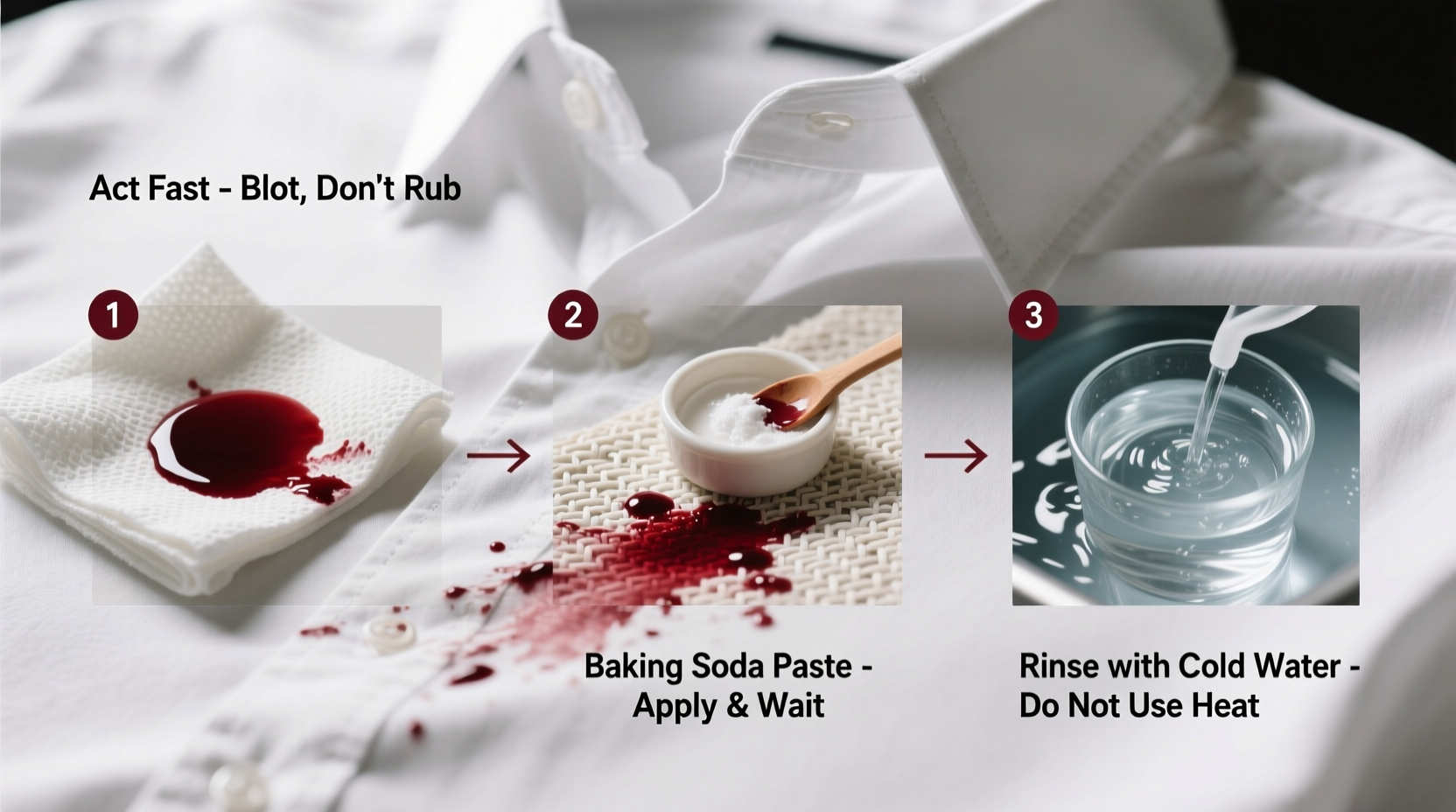
When red wine spills, time is your greatest ally. The longer the wine sits, the deeper the tannins and dyes penetrate into fibers. Immediate response prevents permanent bonding and significantly increases the chance of complete removal.
Begin by blotting—not rubbing—the excess liquid with a clean, absorbent cloth or paper towel. Rubbing spreads the stain and pushes wine deeper into the weave. Hold the fabric taut and press gently from the center outward to contain the spread.
If the garment is washable, rinse the backside of the stain under cold running water. This flushes wine out before it sets. Hot water should be avoided—it cooks the protein in wine residues, making them harder to remove.
Safe Stain Removal Methods by Fabric Type
Not all fabrics react the same way to cleaning agents. Cotton responds well to natural solutions like vinegar and baking soda, while silk and wool require gentler handling. Using the wrong method can lead to shrinking, fading, or fiber breakdown.
| Fabric Type | Recommended Method | Avoid |
|---|---|---|
| Cotton & Linen | Vinegar + Baking Soda Paste, Cold Water Soak | Hot water, bleach (unless white only) |
| Polyester & Blends | Dish soap + Hydrogen Peroxide (3%) | Ammonia, undiluted peroxide |
| Silk & Wool | Cold water + Mild detergent, professional cleaning | Vinegar, peroxide, heat |
| Delicates & Embellished Fabrics | Blotting + Professional Spot Treatment | DIY pastes, soaking |
Step-by-Step Guide for Common Washable Fabrics
- Blot – Use a clean cloth to absorb as much wine as possible.
- Rinse – Turn fabric inside out and flush with cold water.
- Apply Solution – Mix 1 tablespoon dish soap, 1 tablespoon hydrogen peroxide (3%), and 1 cup cold water. Spray or dab onto stain.
- Wait 10–15 minutes – Let the solution break down pigments without overexposure.
- Wash – Launder in cold water with regular detergent. Check the stain before drying.
- Air Dry – Heat can set any residual stain. Air dry first, then repeat if needed.
Natural Alternatives That Work Without Harsh Chemicals
For those avoiding synthetic cleaners, several household ingredients offer effective, low-impact stain removal. These are particularly useful for light-colored cotton, linen, or durable synthetics.
- White Vinegar and Baking Soda: Combine 2 tablespoons vinegar with 1 tablespoon baking soda to form a paste. Apply to the stain, let sit for 10 minutes, then rinse and launder.
- Lemon Juice and Sunlight: For white fabrics, apply lemon juice and place in direct sunlight. UV rays activate the citric acid, naturally bleaching the stain. Rinse thoroughly after 1–2 hours.
- Hydrogen Peroxide and Dish Soap: A mild oxidizing agent, 3% hydrogen peroxide lifts color without chlorine-level aggression. Mix with a drop of grease-cutting dish soap for enhanced penetration.
Expert Insight: What Professionals Recommend
Textile care specialists emphasize prevention and precision. Over-treatment is a common mistake that leads to more damage than the original stain.
“Many people reach for bleach or hot water when they panic, but that often ruins the fabric. The best results come from patience and using the mildest effective method.” — Dr. Lena Torres, Textile Chemist and Stain Remediation Consultant
Torres notes that enzyme-based detergents are increasingly effective for organic stains like wine. “Enzymes target the tannins and sugars in wine, breaking them down at a molecular level without abrasion,” she explains.
Real-World Example: Removing a Spill from a Silk Blouse
Sophie, a marketing executive, spilled Cabernet Sauvignon on her cream silk blouse during a client dinner. Instead of dabbing with club soda (a popular myth), she wrapped the garment in tissue paper and rushed it home.
She placed the blouse flat, stained side up, and gently applied cold water mixed with a pH-neutral silk detergent. After 15 minutes, she rinsed with cool water and laid it flat to dry. The stain faded significantly. For full restoration, she took it to a trusted dry cleaner who used a specialized tannin remover. The blouse returned stain-free and unwrinkled.
This case illustrates two principles: immediate containment and knowing when to defer to professionals—especially for luxury fabrics.
Common Mistakes That Worsen Red Wine Stains
Even with good intentions, certain actions can make stains permanent or damage clothing irreversibly.
- Rubbing the stain: Spreads wine across more fibers and grinds it deeper.
- Using hot water: Sets the protein and pigment components permanently.
- Applying bleach prematurely: Can cause yellowing or weaken fibers, especially in synthetics.
- Drying before the stain is gone: Heat locks in any remaining residue.
- Ignoring care labels: Silk, wool, and acetate often require dry cleaning—attempting DIY can void warranties or ruin texture.
“More garments are ruined by over-cleaning than by the original stain.” — National Association of Fabric Care Professionals
FAQ: Your Top Questions Answered
Can I use salt to absorb red wine stains?
Salt was once recommended to draw out moisture, but modern experts advise against it. Coarse salt can scratch delicate weaves, and its effectiveness is minimal compared to blotting with a clean cloth. It may also leave residue that interferes with later treatments.
What if the stain has already dried?
Dried stains require rehydration. Soak the garment in cold water mixed with oxygen-based bleach (like OxiClean) for 30 minutes to several hours. Avoid chlorine bleach. After soaking, apply a targeted treatment (e.g., dish soap and peroxide mix) and launder in cold water. Repeat if necessary.
Is club soda really effective?
Club soda has limited stain-fighting power. While carbonation may help lift some surface liquid, it lacks active cleaning agents. Relying solely on club soda often delays proper treatment. At best, it’s a temporary measure until you can apply a more effective method.
Final Checklist for Safe Red Wine Stain Removal
- Blot immediately with a clean, absorbent cloth.
- Rinse under cold water from the back of the stain.
- Check the fabric care label for washing instructions.
- Test any cleaning solution on a hidden area.
- Apply a suitable stain treatment based on fabric type.
- Allow dwell time (5–15 minutes), then rinse.
- Wash in cold water—do not dry until the stain is fully gone.
- For delicate or valuable items, consult a professional cleaner.
Take Action Before the Stain Takes Hold
Red wine stains don’t have to mean ruined clothing. With the right knowledge, most spills can be reversed using simple, fabric-friendly methods. The difference between success and disappointment often comes down to acting quickly and choosing the appropriate technique for the material involved.
Keep a small stain-removal kit in your laundry area: cold water, mild dish soap, 3% hydrogen peroxide, white vinegar, and clean cloths. Being prepared turns a potential disaster into a minor inconvenience.




 浙公网安备
33010002000092号
浙公网安备
33010002000092号 浙B2-20120091-4
Comments
No comments yet. Why don't you start the discussion?